CNC Plate Drilling Machine Market Trends: Why Steel Fabricators Are Accelerating Smart Manufacturing Upgrades




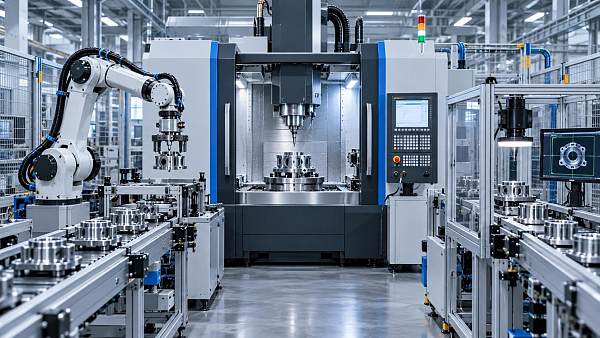
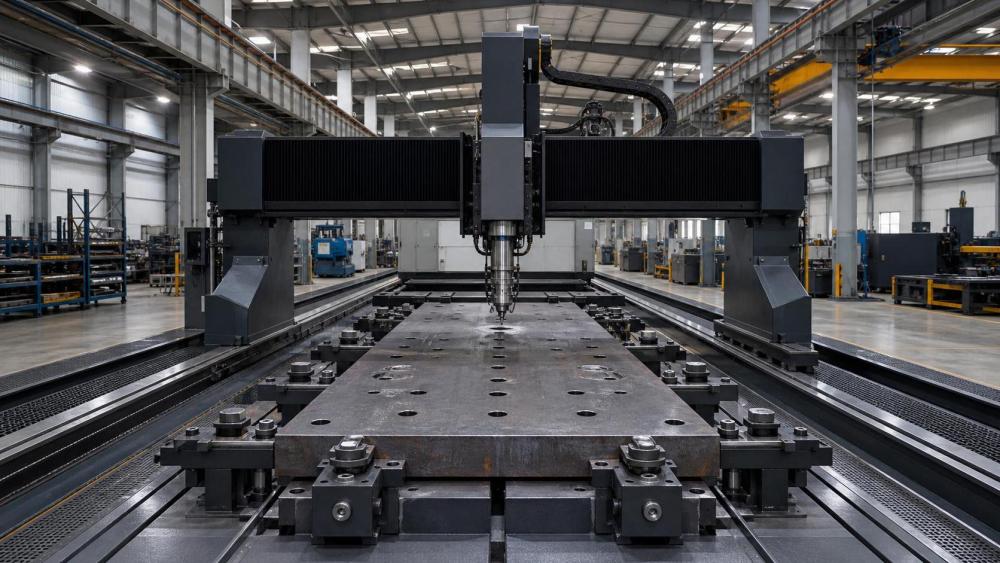
The global steel fabrication industry is entering a more automated and precision-driven era. Structural steel manufacturers, bridge builders, transmission tower producers, machinery plants, energy equipment suppliers, shipyards, and metal processing workshops are under rising pressure to deliver accurate components faster, reduce manual errors, and improve production stability. In this environment, the CNC plate drilling machine has become a strategic investment for fabricators that want to improve productivity and compete in modern project-based manufacturing.
Steel plates are used in many critical applications, including bridge connection plates, tower components, machinery frames, base plates, flanges, gusset plates, heavy equipment parts, and steel structure assemblies. These parts often require accurate holes, consistent spacing, smooth drilling quality, and reliable repeat processing. When hole positions are incorrect, the problem does not remain inside the workshop. It can delay assembly, increase rework, affect installation, and weaken buyer confidence.
Steel Fabrication Is Becoming More Precision-Driven
Modern fabrication buyers expect higher accuracy than ever before. Large projects often involve hundreds or thousands of steel components that must fit together smoothly on site. A small drilling error may create major problems during bolting, welding, or field assembly. This is why many steel fabricators are moving away from manual marking and drilling toward CNC-controlled plate processing.
CNC plate drilling machines help improve consistency by using programmed coordinates and automated drilling cycles. Operators can process repeated parts with stable accuracy, reducing the risk of human error. For companies producing steel structures, towers, bridges, and machinery components, this repeatability is highly valuable.
Precision also improves downstream workflow. When plates are drilled correctly, assembly teams spend less time correcting misalignment. Production managers can plan schedules more confidently. Quality inspectors can verify parts more efficiently. In competitive steel fabrication markets, these advantages can directly affect delivery performance and customer satisfaction.
Infrastructure Growth Supports Long-Term Machine Demand
Infrastructure investment remains one of the strongest drivers for CNC plate drilling equipment. Roads, bridges, rail projects, airports, ports, warehouses, power plants, transmission towers, and industrial buildings all require processed steel components. Many of these projects depend on accurate plate drilling for safe and efficient assembly.
Bridge construction is a clear example. Connection plates, base plates, and structural components must meet strict dimensional requirements. If plate drilling is slow or inaccurate, the entire fabrication schedule may be affected. CNC drilling equipment helps bridge component suppliers improve output while maintaining quality.
Power transmission projects also create strong demand. Transmission towers require large numbers of steel members and connection plates with precise holes. As countries expand power grids and renewable energy transmission networks, manufacturers need efficient equipment for angle steel, plates, and structural components. CNC plate drilling machines can support this production model by improving processing speed and accuracy.
Labor Shortages Are Pushing Factories Toward Automation
Many manufacturing regions are facing skilled labor shortages. Experienced layout workers and drilling operators are becoming harder to recruit and retain. At the same time, younger workers often prefer digital, automated, and safer production environments.
A CNC plate drilling machine reduces dependence on manual measurement and repetitive drilling work. Operators still need training, but the process becomes more standardized. Digital control, automatic positioning, clamping systems, and programmed processing help factories maintain stable production even when skilled labor is limited.
Automation also improves labor efficiency. One trained operator can supervise a more productive process, while manual drilling often requires more time and more physical effort. For high-volume steel processing shops, this can reduce labor cost per part and improve workshop organization.
Digital Manufacturing Is Reshaping Metal Processing
Steel fabrication is gradually becoming more digital. CAD drawings, CAM software, nesting systems, production planning tools, barcode tracking, and machine data management are being adopted by more factories. CNC plate drilling machines fit naturally into this digital workflow.
When drilling data can be generated from design files and transferred into the machine, the risk of manual input errors is reduced. This improves the connection between engineering design and workshop production. It also helps fabricators manage complex projects with many different part numbers and hole patterns.
Digital production supports better management decisions. Factories can track processing time, machine utilization, production bottlenecks, and order progress. Over time, this data helps companies improve scheduling, cost estimation, and delivery reliability.
Steel Structure Industrialization Expands Application Demand
Steel structure construction is growing in many markets because it supports faster building, lighter structures, flexible design, and recyclable materials. Warehouses, factories, logistics centers, commercial buildings, industrial plants, and prefabricated structures all require processed steel plates and sections.
Plate drilling is a key part of steel structure fabrication. Connection plates and structural components must be processed accurately before welding, bolting, or assembly. CNC plate drilling machines help manufacturers meet these requirements while improving production efficiency.
Prefabricated construction increases the importance of accuracy. Components are produced in factories and assembled at the job site. If holes do not align, site installation becomes slower and more expensive. Automated plate drilling helps reduce these risks and supports faster project completion.
Energy Projects Create Specialized Processing Needs
Energy infrastructure is another important market for CNC plate drilling equipment. Wind power towers, solar support structures, substations, power transmission systems, oil and gas facilities, and industrial energy equipment all use processed steel plates.
Renewable energy projects often require repeated steel components in large quantities. Solar mounting systems and wind-related structures need consistent hole patterns and reliable part quality. CNC drilling equipment helps manufacturers keep production stable across repeated orders.
Power grid upgrades also support demand. As renewable energy capacity expands, transmission infrastructure must grow with it. Tower and substation manufacturers need efficient processing equipment to meet project schedules. CNC plate drilling machines can become a core part of this supply chain.
Buyers Are Looking Beyond Purchase Price
The market is becoming more value-focused. Buyers no longer evaluate CNC plate drilling machines only by initial price. They also consider drilling speed, plate size capacity, spindle performance, machine rigidity, control system, clamping method, tool life, maintenance requirements, software compatibility, installation support, and after-sales service.
A cheaper machine may not deliver real savings if it causes frequent downtime, inaccurate holes, or difficult maintenance. Steel fabricators need machines that can run reliably under daily production conditions. Therefore, total cost of ownership is becoming a major purchasing factor.
Tooling and consumables also matter. Drilling quality depends on spindle power, feed control, cooling, cutting tools, and plate material. A well-designed CNC machine can improve tool life and reduce processing cost per hole. This makes production economics more predictable.
Global Competition Is Accelerating Equipment Upgrades
Steel fabrication is highly competitive. Customers compare suppliers based on price, accuracy, delivery speed, capacity, and project experience. Fabricators using outdated manual equipment may struggle against automated workshops that can produce faster and more consistently.
CNC plate drilling machines help companies upgrade their production capabilities. They can process more complex orders, reduce rework, improve quality control, and increase output. This allows fabricators to pursue larger and more demanding projects.
Export-oriented manufacturers benefit especially from automation. International customers often require stable quality, accurate documentation, and reliable delivery. CNC equipment supports these expectations by making production more controlled and repeatable.
Regional Market Opportunities Are Expanding
Demand for CNC plate drilling machines is growing across many regions. Southeast Asia is seeing demand from industrial parks, infrastructure, power transmission, and steel structure projects. The Middle East continues to invest in energy, logistics, construction, and industrial facilities. Africa has long-term potential from power grid expansion, mining, infrastructure, and urban development.
Latin America also presents opportunities in construction, energy, transport infrastructure, and industrial fabrication. Europe and North America often focus on factory modernization, labor reduction, digital production, and replacement of older equipment.
Different markets have different priorities. Some buyers need cost-effective machines for basic production. Others require high automation, software integration, advanced drilling capacity, and strong service support. Equipment suppliers that understand these differences can serve global customers more effectively.
Outlook: CNC Plate Drilling Machines Will Remain Essential to Smart Steel Fabrication
The long-term outlook for CNC plate drilling machines is strong because steel fabrication is moving toward automation, accuracy, and digital workflow management. Infrastructure construction, steel structure industrialization, energy development, and industrial manufacturing all require reliable plate processing.
For buyers, the best investment strategy is to evaluate machine performance according to real production needs. Plate size, thickness range, drilling capacity, automation level, machine stability, software compatibility, service support, and operating cost should all be considered.
For suppliers, the opportunity is to position CNC plate drilling machines as part of a complete smart fabrication solution. Buyers are looking for equipment that helps them reduce errors, increase output, control labor costs, and improve project delivery.
As global steel fabrication becomes more competitive, CNC plate drilling machines will remain essential equipment for companies that want to move from manual production toward accurate, efficient, and digitally managed manufacturing.
Related News
 What is driving consolidation in the global equipment supplier market?IEG Heavy Machinery & Automation AnalystGlobal equipment supplier market consolidation is accelerating through technology, service, and supply-chain demands. Discover how buyers can capture value while managing risk.
 When does capital equipment investment pay back in manufacturing?IEG Heavy Machinery & Automation AnalystCapital equipment investment manufacturing: learn when equipment truly pays back by evaluating full costs, cash flow, ramp-up, operational risks, and lifecycle value.
 When does a distribution center need an automated pallet handling system?Heavy Lifting Systems AnalystPallet handling systems help distribution centers overcome labor shortages, bottlenecks, safety risks, and storage constraints. Discover the key signs it’s time to automate.
 How to build a machinery investment plan around payback periodIEG Heavy Machinery & Automation AnalystMachinery investment planning manufacturing guide: build a credible payback plan with full costs, ramp-up assumptions, lifecycle risks, and scenario-based cash benefits.
 How to Specify a Modular Packaging Line for Fast Changeovers and Scalable OutputRobotics EngineerModular packaging line specification guide: achieve faster changeovers, scalable output, reliable controls, and lower lifecycle costs with practical planning.
 How industrial IoT devices reduce unplanned downtime in factoriesRobotics EngineerIndustrial IoT devices help factories detect early equipment issues, plan maintenance, and reduce costly unplanned downtime before production is disrupted.
 What is driving industrial machinery market demand in manufacturing?IEG Heavy Machinery & Automation AnalystIndustrial machinery market manufacturing demand is rising as factories pursue automation, energy efficiency, resilient supply chains, and lifecycle productivity gains.
 316L Stainless Steel Pipe Tube Technical Factors That Shape Buyer DecisionsCNC Machining AnalystA technical analysis for 316L stainless steel pipe tube buyers, covering corrosion expectations, pipe route choice, tolerance, surface, and inspection.
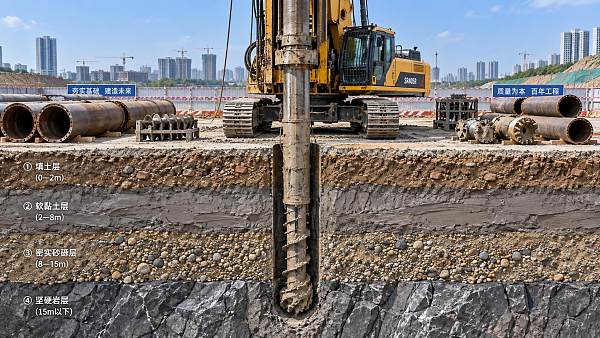
 How ground conditions determine crawler piling equipment selectionConstruction Equipment SpecialistCrawler piling equipment selection starts with ground conditions. Learn how soil, rock, groundwater and site constraints shape safer, more productive piling solutions.
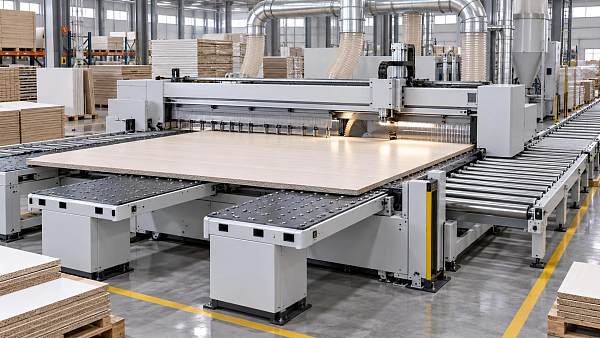
 3300mm CNC Beam Saw Sheet Capacity: Layout Checks Before PurchaseCNC Machining AnalystZhongding ZD330 beam saw specifications: assess 3300mm sheet capacity, layout clearances, handling flow, and acceptance checks before buying.
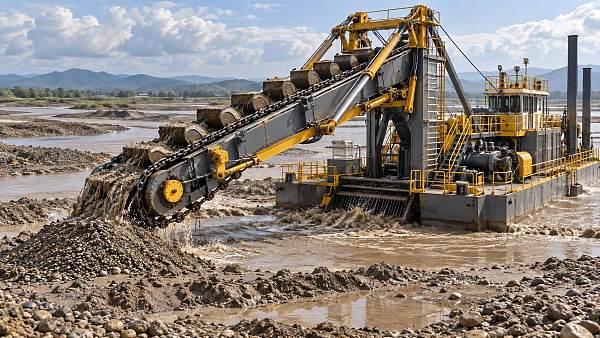
 How Bucket Chain Diamond Dredgers Meet ISO 12100 Safety Requirements in Alluvial Mining ProjectsMining Infrastructure ExpertBucket chain diamond dredger safety made real: how ISO 12100 compliance ensures operator protection, reliability & zero lost-time injuries in alluvial mining.
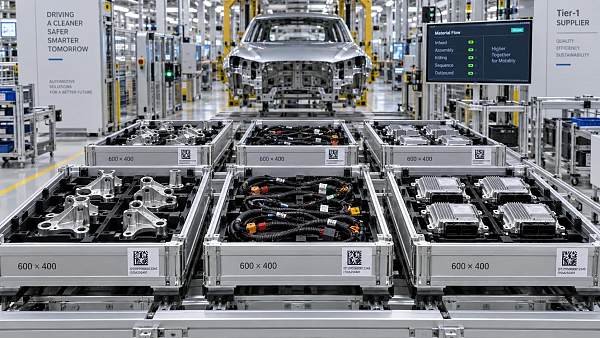
 Modular Packaging for High-Mix Automotive Assembly Lines: How Standardized Load Units Reduce Line Changeover Time by 37% — Case Study from Tier-1 Supplier in GuangdongHeavy Lifting Systems AnalystModular packaging slashes automotive line changeover time by 37%—discover how standardized load units boost OEE, cut labor costs, and enable seamless high-mix assembly.