ITOCHU Announces Integration of Taiwan Dealer Yungtay-Hitachi Construction Machinery




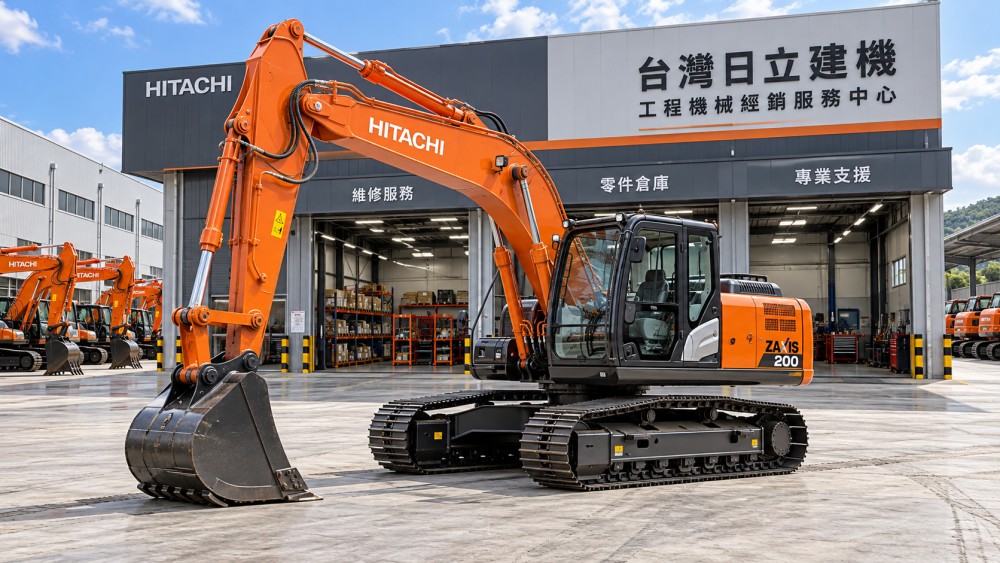
ITOCHU has announced the integration of Taiwan construction machinery dealer Yungtay-Hitachi Construction Machinery Co., Ltd., although the event date is not specified in the supplied information. The announcement concerns the organization of equipment distribution and services; the supplied material does not identify a new policy, regulation, certification requirement or trade rule. From an industry perspective, the development warrants attention because possible changes to dealer arrangements could affect equipment buyers, supply partners and service providers when they verify purchasing channels, delivery responsibilities and after-sales support.
ITOCHU Extends Its Distribution and Service Network
According to the supplied summary, ITOCHU issued a press release announcing the integration of Yungtay-Hitachi Construction Machinery Co., Ltd., a construction machinery dealer in Taiwan. The move represents ITOCHU's first entry into the construction machinery dealership business since forming a capital alliance with Hitachi Construction Machinery.
The stated aim is to deepen ITOCHU's equipment distribution and service network across the Asia-Pacific region.
Dealer Arrangements Could Become the Practical Focus
Analysis suggests that the immediate relevance lies in potential changes to commercial arrangements and operating responsibilities. The supplied information does not establish that purchasing terms, supplier qualifications or service procedures have changed.
Equipment Buyers May Need to Verify Purchasing Responsibilities
For equipment buyers and engineering contractors, integration could matter if subsequent implementation changes the entity issuing quotations, accepting orders or coordinating delivery. Buyers could therefore check whether purchasing documents and project schedules remain aligned with the arrangements communicated by the dealer. No such changes are confirmed in the supplied material.
Distribution Partners Could Face Coordination Changes
For suppliers and channel partners, closer integration could lead to a review of ordering procedures, account contacts or commercial documentation. Analysis suggests that the practical question is whether existing arrangements continue or require an expressly communicated update. The announcement alone does not establish new onboarding criteria, exclusivity terms or trade documentation requirements.
Service Commitments Deserve Separate Attention
For after-sales service providers and equipment users, possible changes to service coordination could affect how support requests are assigned and followed through. As a precaution, businesses could verify the responsible contact and the applicable service commitments before relying on an assumed network benefit. The supplied summary does not confirm changes to warranty coverage, service availability or response times.
Documents and Commitments to Check Before Adjusting Procurement
Confirm Contracting and Ordering Details
As a practical recommendation, buyers and suppliers could seek written clarification of the contracting entity, quotation validity and order acceptance process for upcoming transactions. Any revision should be based on an actual notice or agreed document, rather than an assumption that integration automatically changes existing contracts.
Check Supplier Qualifications Against Actual Notices
Businesses with supplier approval procedures could review whether subsequent implementation affects the dealer information held in their procurement records. The supplied material identifies no new certification or regulatory approval requirement. Any request for revised qualification documents would need to be assessed against its stated basis and the relevant transaction.
Verify Delivery and Support Commitments
For time-sensitive equipment purchases, procurement teams could confirm delivery commitments and service contacts directly with the responsible party. Analysis suggests that these checks would help establish whether the integration has practical consequences for a specific order. The stated network objective does not, by itself, confirm shorter delivery periods or broader support coverage.
Keep Commercial Updates Distinct From Regulatory Requirements
Compliance and procurement teams could examine any subsequent instructions to determine whether they concern internal dealer procedures, contractual terms or an independently applicable legal requirement. The supplied announcement provides no basis for treating the integration itself as a change to import rules, product standards or certification obligations.
A Network Expansion Signal With Implementation Still to Assess
As an editorial assessment, this announcement is best understood as a corporate distribution and service network development. It does not establish a newly implemented industry rule. Its practical significance will depend on whether subsequent company communications specify changes to dealer responsibilities, procurement procedures, delivery coordination or service arrangements.
Further observation should focus on documented implementation and feedback from affected businesses. Those details would help distinguish an organizational change with limited transactional effects from one that requires buyers and partners to revise their working procedures. The available information does not support a conclusion about the scale or timing of those effects.
Base Procurement Decisions on Confirmed Operating Changes
Analysis suggests that ITOCHU's entry into the dealership business could make its regional distribution and service arrangements more relevant to equipment procurement decisions. At this stage, businesses can treat the announcement as a reason to verify transaction-specific responsibilities and monitor subsequent communications. Changes to compliance checks, purchasing plans or delivery assumptions should follow confirmed requirements and commitments.
Basis of Reporting and Points Requiring Verification
This article is based solely on the user-provided news title, event-time information and event summary. The summary attributes the announcement to an ITOCHU press release. A specific official source link was not supplied, and the event date was not specified; both remain subject to verification.
Subsequent company announcements and implementation communications would be relevant sources for checking the scope and timing of the integration. Further verification should address any changes to procurement documents, dealer responsibilities, delivery arrangements and after-sales procedures, together with business feedback. Any later claim of a policy, certification or trade-rule change would require its own supporting source.
Related News
 MSHA Issues Mine Truck Safety Alert After One Death and 121 InjuriesMining Infrastructure ExpertMSHA mine truck safety alert reports one death and 121 lost-time injuries. Discover why mine operators should review safety practices.
 How to size a crushing plant for ore processingMining Infrastructure ExpertSize your ore processing equipment crushing plant with confidence. Learn how to calculate throughput, assess ore characteristics, and prevent bottlenecks.
 Trump Administration Rewrites Mining Policy to Spur Critical Minerals DevelopmentMining Infrastructure ExpertU.S. critical minerals mining policy is changing. Explore what faster approvals could mean for investment, equipment demand and supply chains.
 How IEC 62443 defines security zones for industrial communication systemsRobotics EngineerExplore industrial communication systems and IEC 62443: learn how security zones, conduits, and risk-based controls help protect plant operations.
 China-Peru Trade Agreement Upgrade Takes Effect, Easing Machinery CertificationConstruction Equipment SpecialistThe China-Peru trade agreement upgrade simplifies machinery certification. Discover what mutual recognition could mean for exporters entering Peru.
 How do industrial control systems regulate water treatment?Robotics EngineerDiscover how industrial control systems in water treatment use sensors, PLCs, and SCADA to regulate processes and help operators respond to changing conditions.
 Exotec Report: 25% of Supply Chain Leaders Regret Warehouse Automation DecisionsRobotics EngineerWarehouse automation regret affects 25% of surveyed supply chain leaders, according to Exotec. Explore the cost, contract and readiness risks before investing.
 How to set maintenance intervals for mining equipment in AustraliaMining Infrastructure ExpertMining equipment maintenance Australia: Learn how to set service intervals using operating hours, site conditions and equipment data to reduce downtime.
 EY Survey Ranks Complexity as Mining's Top Risk for 2027Mining Infrastructure ExpertMining risk in 2027 is led by complexity, EY's survey finds. Discover how aging mines, declining ore grades and supply chain pressures are reshaping the industry.
 Can asset lifecycle management automation reduce equipment downtime?IEG Heavy Machinery & Automation AnalystDiscover how asset lifecycle management automation can reduce equipment downtime through timely maintenance, faster repairs, and smarter service workflows.
 Caterpillar Q3 2026 Revenue Rises 17% to $20.7 Billion as Both Equipment Segments GrowConstruction Equipment SpecialistCaterpillar Q3 2026 revenue reportedly rose 17% to $20.7 billion. Explore equipment segment growth and what it could mean for procurement planning.
 How to choose a rugged industrial control panel for wet environmentsRobotics EngineerChoose a rugged industrial control panel for wet environments. Compare IP ratings, materials, seals, and condensation control to improve reliability.