Heavy-Duty Power Transmission Equipment: Selection Mistakes to Avoid




Heavy-Duty Power Transmission Equipment: Selection Mistakes to Avoid

Choosing power transmission equipment heavy duty systems is not just about torque or load ratings.
Small mismatches often create expensive problems later.
Downtime rises, energy use climbs, and wear appears faster than expected.
In many plants, the root cause is not poor equipment quality.
It is a selection process that focused on one number and ignored system fit.
That is why power transmission equipment heavy duty decisions need a wider technical view.
Gearboxes, couplings, drives, chains, belts, bearings, and shafts work as a connected package.
When one part is chosen in isolation, lifecycle cost usually increases.
The practical goal is simple.
Select heavy-duty power transmission solutions that survive real loads, real environments, and real maintenance conditions.
Mistake 1: Using Nominal Load Instead of Real Operating Load
This is one of the most common selection errors.
Catalog ratings often reflect controlled conditions, not the stress of daily production.
Actual operating load includes start-stop cycles, shock events, overload peaks, and uneven material flow.
That matters a lot in conveyors, crushers, mixers, hoists, rolling lines, and bulk handling systems.
A gearbox sized only for average torque may still fail early.
The same applies to couplings, chains, and bearing assemblies.
A better approach is to calculate real duty cycles before comparing power transmission equipment heavy duty options.
- Measure peak torque, not only continuous torque.
- Check startup frequency and braking intensity.
- Review load fluctuations across each shift.
- Apply service factors based on actual application severity.
From a decision standpoint, real operating load is more useful than a clean design number.
Mistake 2: Ignoring Speed Profile and Torque Curve
Many evaluations still focus on rated power first.
That can hide a serious mismatch.
Heavy-duty power transmission equipment must match how torque changes across the operating range.
Low-speed, high-torque applications create very different stress patterns than constant-speed systems.
Variable frequency drives make this even more important.
If the torque curve is misunderstood, overheating and vibration become more likely.
This also affects reducer selection, lubrication strategy, and motor compatibility.
In actual projects, the safest comparison method is to map speed bands against torque demand.
That reveals whether the selected power transmission equipment heavy duty package is stable across real production conditions.
Mistake 3: Treating the Environment as a Secondary Detail
Environmental conditions often decide service life faster than load does.
Dust, slurry, washdown chemicals, salt air, extreme heat, and cold starts all change performance.
A suitable gearbox for indoor packaging may be a poor choice for mining or cement handling.
Seal quality, housing protection, lubrication retention, and corrosion resistance become critical here.
This is where some low-cost options lose their advantage very quickly.
The upfront price looks attractive, but maintenance frequency rises.
Replacement intervals shorten, and planned output drops.
For power transmission equipment heavy duty applications, environmental fit should be a primary filter, not a final check.
Mistake 4: Looking at Component Ratings, Not System Alignment
A technically strong component can still perform badly in a weak system layout.
Misalignment is a classic example.
When shafts, bases, couplings, or bearings are not aligned correctly, heavy-duty power transmission equipment wears much faster.
This is especially visible in long transfer lines and high-torque drives.
Selection should include mounting constraints, shaft tolerances, base rigidity, and available space for service access.
In practice, many retrofit problems come from dimensional assumptions made too early.
That leads to adapter plates, field modifications, and extra vibration.
When comparing power transmission equipment heavy duty packages, system alignment deserves the same attention as torque capacity.
Mistake 5: Underestimating Maintenance Reality
Some equipment looks ideal on paper but is difficult to maintain in the field.
That gap matters more in remote sites and continuous-process plants.
Lubrication points may be hard to reach.
Bearing replacement may require major disassembly.
Spare parts may come with long lead times.
This is where lifecycle thinking becomes more valuable than purchase price alone.
For technical decision-making, maintenance access should be reviewed before final approval.
- Can wear parts be changed without removing adjacent equipment?
- Are seals, chains, or belts standard or proprietary?
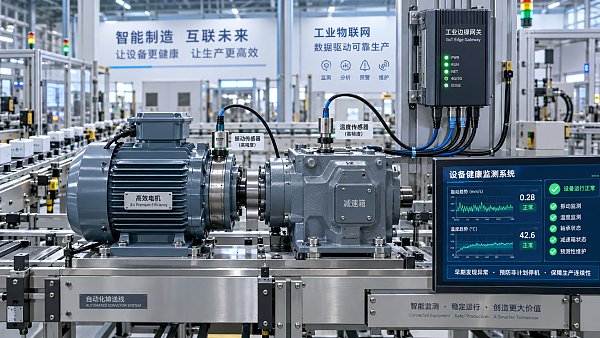
- Is condition monitoring supported?
- Are local spare parts and service teams available?
These points often separate a workable power transmission equipment heavy duty solution from a costly one.
Mistake 6: Missing Energy and Efficiency Trade-Offs
Energy cost now plays a bigger role in equipment selection.
That trend is stronger in high-hour operations.
A small efficiency loss in a continuously running drive can create a large annual cost gap.
Still, efficiency should not be judged by one component alone.
The full drive train matters.
Motor, gearbox, coupling, control strategy, and load profile all affect system efficiency.
This also influences heat generation and lubricant life.
When assessing power transmission equipment heavy duty alternatives, compare total operating cost over realistic annual hours.
That produces a clearer business case than unit price comparison.
How to Make a Better Selection Decision
The most effective process is structured and practical.
It connects performance, risk, and long-term cost.
- Define the full duty cycle, including shocks, starts, and overload events.
- Map operating speed against torque demand.
- Document environmental exposure in detail.
- Review installation space, alignment, and service access.
- Estimate spare parts availability and support response time.
- Compare efficiency and lifecycle cost, not only capital cost.
This method reduces the risk of selecting the wrong power transmission equipment heavy duty configuration.
It also improves communication between engineering, maintenance, and procurement teams.
Final Takeaway
Selecting power transmission equipment heavy duty systems is a decision about reliability, not just specification compliance.
The biggest mistakes usually come from narrow evaluation criteria.
Real load, speed profile, environment, alignment, maintenance reality, and energy use all matter.
When these factors are checked early, retrofit work and unplanned downtime become easier to avoid.
For any heavy-duty power transmission project, a disciplined comparison process usually delivers better long-term industrial performance.
The next step is to build a selection checklist around actual plant conditions and verify each candidate against lifecycle risk.
Related News
 What is driving consolidation in the global equipment supplier market?IEG Heavy Machinery & Automation AnalystGlobal equipment supplier market consolidation is accelerating through technology, service, and supply-chain demands. Discover how buyers can capture value while managing risk.
 When does capital equipment investment pay back in manufacturing?IEG Heavy Machinery & Automation AnalystCapital equipment investment manufacturing: learn when equipment truly pays back by evaluating full costs, cash flow, ramp-up, operational risks, and lifecycle value.
 When does a distribution center need an automated pallet handling system?Heavy Lifting Systems AnalystPallet handling systems help distribution centers overcome labor shortages, bottlenecks, safety risks, and storage constraints. Discover the key signs it’s time to automate.
 How to build a machinery investment plan around payback periodIEG Heavy Machinery & Automation AnalystMachinery investment planning manufacturing guide: build a credible payback plan with full costs, ramp-up assumptions, lifecycle risks, and scenario-based cash benefits.
 How to Specify a Modular Packaging Line for Fast Changeovers and Scalable OutputRobotics EngineerModular packaging line specification guide: achieve faster changeovers, scalable output, reliable controls, and lower lifecycle costs with practical planning.
 How industrial IoT devices reduce unplanned downtime in factoriesRobotics EngineerIndustrial IoT devices help factories detect early equipment issues, plan maintenance, and reduce costly unplanned downtime before production is disrupted.
 What is driving industrial machinery market demand in manufacturing?IEG Heavy Machinery & Automation AnalystIndustrial machinery market manufacturing demand is rising as factories pursue automation, energy efficiency, resilient supply chains, and lifecycle productivity gains.
 316L Stainless Steel Pipe Tube Technical Factors That Shape Buyer DecisionsCNC Machining AnalystA technical analysis for 316L stainless steel pipe tube buyers, covering corrosion expectations, pipe route choice, tolerance, surface, and inspection.
 How ground conditions determine crawler piling equipment selectionConstruction Equipment SpecialistCrawler piling equipment selection starts with ground conditions. Learn how soil, rock, groundwater and site constraints shape safer, more productive piling solutions.
 3300mm CNC Beam Saw Sheet Capacity: Layout Checks Before PurchaseCNC Machining AnalystZhongding ZD330 beam saw specifications: assess 3300mm sheet capacity, layout clearances, handling flow, and acceptance checks before buying.
 How Bucket Chain Diamond Dredgers Meet ISO 12100 Safety Requirements in Alluvial Mining ProjectsMining Infrastructure ExpertBucket chain diamond dredger safety made real: how ISO 12100 compliance ensures operator protection, reliability & zero lost-time injuries in alluvial mining.
 Modular Packaging for High-Mix Automotive Assembly Lines: How Standardized Load Units Reduce Line Changeover Time by 37% — Case Study from Tier-1 Supplier in GuangdongHeavy Lifting Systems AnalystModular packaging slashes automotive line changeover time by 37%—discover how standardized load units boost OEE, cut labor costs, and enable seamless high-mix assembly.