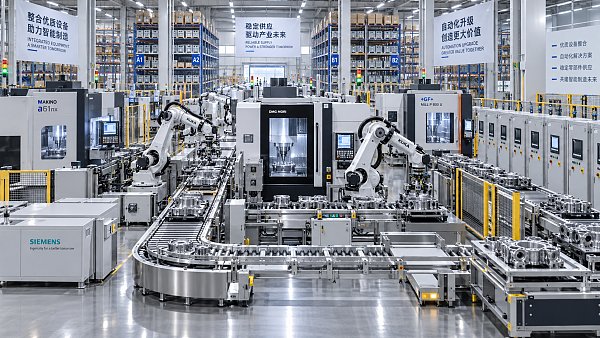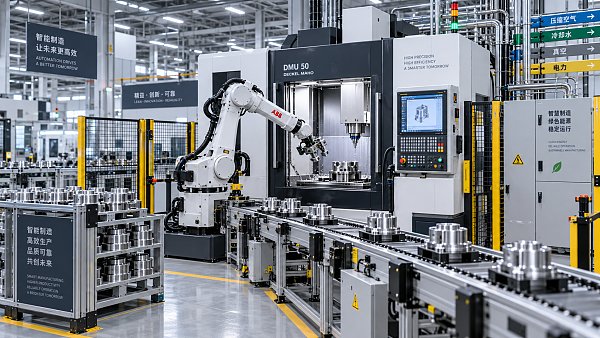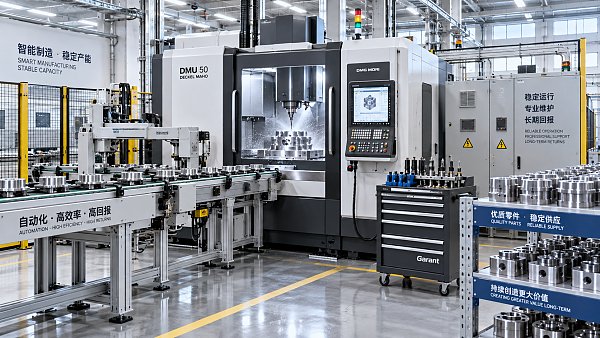
How industrial IoT devices reduce unplanned downtime in factories




Unplanned downtime rarely begins with a dramatic breakdown. More often, it starts with a small change that is easy to miss: a motor draws slightly more current, a gearbox runs hotter than usual, a pump takes longer to reach pressure, or a conveyor drive vibrates outside its normal pattern. By the time an operator sees a visible problem, the maintenance window may have disappeared and production may already be at risk.
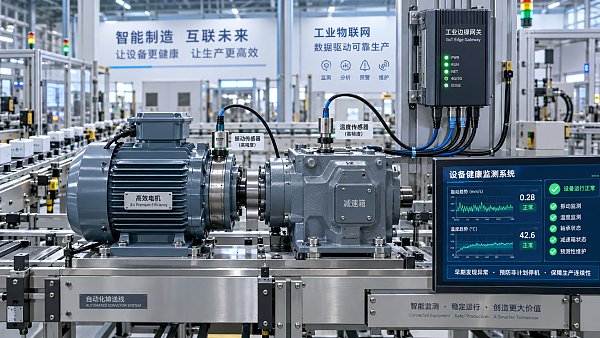
Industrial IoT devices reduce unplanned downtime by making those early changes visible, contextual, and actionable. Sensors, connected controllers, edge gateways, and condition-monitoring systems can collect equipment data continuously, compare it with expected operating behavior, and alert the right people before a developing fault becomes a forced shutdown. The technology is most useful when it supports a disciplined maintenance and operating process. Installing sensors alone does not create reliability; connecting reliable data to clear decisions does.
Where Downtime Prevention Actually Starts
Factories often treat downtime as a maintenance issue, but many failures have operational roots. Equipment can be damaged by overloads, poor lubrication, misalignment, unstable power, blocked airflow, incorrect process settings, or repeated operation outside intended duty cycles. A maintenance team may repair the immediate failure while the conditions that caused it remain in place.
Connected devices give project managers and plant teams a better view of this chain of events. Instead of receiving only a failure alarm, they can see how machine condition changed before the stoppage and what operating conditions were present at the time. This helps teams distinguish between a component reaching the end of its useful life and a recurring process problem that will affect replacement parts as well.
For example, a vibration sensor on a critical rotating asset may show a gradual change at a specific frequency. On its own, that reading is not a maintenance instruction. Combined with bearing temperature, motor load, operating speed, lubrication records, and recent maintenance history, it can indicate whether the condition is stable, worsening, or tied to a particular production mode. The value lies in giving maintenance planners enough lead time to inspect the asset, order parts, and schedule work during a planned stop.
That lead time is often more important than the alert itself. A short intervention during a scheduled changeover can be manageable. An unexpected failure on a bottleneck machine can affect labor allocation, material flow, delivery commitments, quality control, and project milestones at the same time.
Industrial IoT Devices Are Most Effective on Critical Assets
A common mistake is to begin with the question, “Which machines can be connected?” A more useful question is, “Which equipment failures create the largest operational consequence?” Factories contain many assets, but not all deserve the same monitoring investment.
For a project manager, the best starting point is usually equipment with one or more of the following characteristics:
- It constrains output because there is little or no redundant capacity.
- Its failure creates a safety, environmental, or product-quality risk.
- It has a long repair time, difficult access, or a specialized spare-parts requirement.
- Its condition has historically been assessed through periodic manual checks rather than continuous observation.
- It operates under variable loads or harsh conditions that make calendar-based maintenance unreliable.
- Its failure can stop downstream equipment, such as a central compressor, furnace, material-handling system, hydraulic power unit, or major process pump.
This prioritization matters because a broad sensor rollout can generate large amounts of data without improving decisions. A focused deployment on high-consequence assets gives the team a clearer maintenance use case, a manageable integration scope, and a better opportunity to establish response routines before expanding the program.
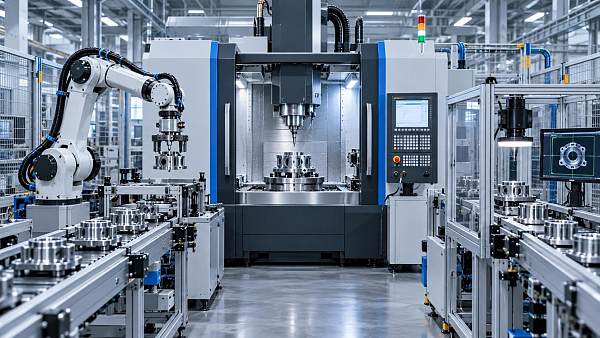
Different equipment types call for different measurements. Rotating machinery often benefits from vibration, temperature, speed, and electrical-load monitoring. Hydraulic systems may require pressure, fluid temperature, contamination, filter condition, and cycle-time information. Material-handling equipment can be monitored through motor current, gearbox temperature, belt tracking, cycle counts, and position data. In automated production cells, controller diagnostics, servo behavior, pneumatic pressure, and repeated fault codes can reveal problems that are not visible from a single sensor.
The device selection should follow the failure mode, not the popularity of a particular technology. A temperature sensor is useful when heat is an early symptom. It does little for a failure driven by intermittent communication loss, control logic faults, or a mechanical alignment issue that produces little temperature change until late in the failure process.
From Raw Signals to Maintenance Decisions
The practical challenge is not collecting readings. Most industrial environments already produce alarms, controller data, operator logs, and maintenance records. The harder task is deciding which signals should trigger attention, who owns the next step, and how the response is recorded.
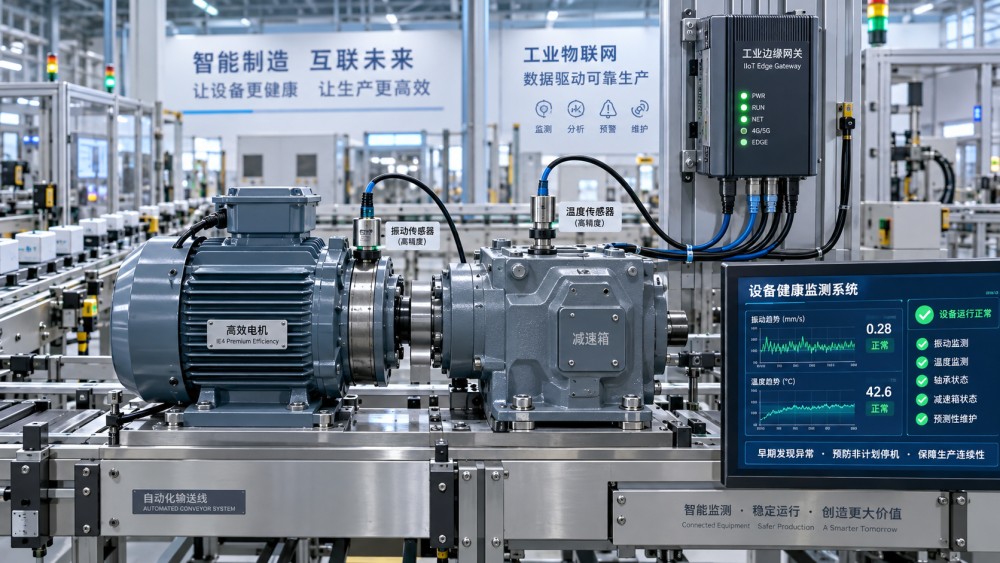
A useful condition-monitoring workflow usually has four layers. At the machine level, sensors and existing control systems capture physical and operating data. At the edge level, a gateway or local computing device can filter, normalize, and evaluate data close to the equipment. This is particularly important where connectivity is limited, response time matters, or sending every raw data point to a central platform would be impractical. At the supervisory level, the information is presented through maintenance, production, or asset-management tools. Finally, the organization needs an operating process that turns the insight into inspection, work planning, and verification.
For many factories, an edge-based approach is preferable to sending all data directly to a remote environment. Local processing can keep critical monitoring active during network interruptions, reduce data traffic, and support faster alerts for equipment that cannot wait for a cloud-based analysis cycle. It can also allow plants to separate operational technology networks from broader enterprise systems while still sharing approved information with maintenance and management teams.
Alert design deserves more attention than it often receives. If thresholds are too tight, teams receive frequent warnings about normal variation and begin ignoring them. If thresholds are too loose, the system identifies problems only when there is little time left to act. Fixed limits may work for stable equipment, but machines with changing product recipes, duty cycles, ambient conditions, or load profiles often need operating-context rules.
Consider a fan motor that normally runs at several speeds. A vibration level that is acceptable at one speed may be concerning at another. A meaningful system should relate the condition signal to the operating state, rather than treating every reading as if the machine were running under identical conditions. In more mature programs, maintenance teams can use historical trends to establish normal operating bands and investigate deviations from those bands.
Alerts Need an Owner and a Response Path
An alert without a defined owner becomes another dashboard notification. For each critical condition, the project team should decide who reviews it, how quickly it is reviewed, what evidence is needed before maintenance work is authorized, and when production leadership must be involved.
A simple escalation structure can prevent both neglect and unnecessary disruption:
- Observe: The condition has changed but remains within an acceptable operating range. Continue monitoring and review the trend.
- Inspect: The pattern suggests a developing issue. Assign a technician to confirm the condition during the next available access opportunity.
- Plan: The fault is credible and requires corrective work. Reserve labor, parts, tools, and a production window.
- Intervene: The risk of continued operation exceeds the cost of stopping or reducing output. Coordinate a controlled shutdown or load reduction.
This structure also produces better records. When a warning leads to inspection, teams can compare the predicted condition with what was actually found. Over time, that feedback helps improve thresholds, identify sensors that are poorly located, and determine whether a recurring alarm reflects an equipment issue or a weakness in the monitoring logic.
Integration Determines Whether Visibility Becomes Value
Industrial IoT devices have limited value when they operate as a separate monitoring layer that technicians must remember to check. The strongest applications connect condition data with the systems that govern maintenance, operations, and production planning.
Integration does not require every plant to replace its existing software stack. A practical first step may be to connect selected machine data to an existing computerized maintenance management system, maintenance planning tool, or production dashboard. When an abnormal condition is confirmed, the team should be able to create or enrich a work order with the relevant asset ID, timestamps, trend information, alarm history, and recommended inspection task.
This reduces a common source of delay: the time spent moving from a vague notification to a clear maintenance request. It also gives planners a better basis for deciding whether to combine work with an upcoming changeover, shift handover, product transition, or planned maintenance stop.
For project leaders responsible for commissioning or factory upgrades, the integration question should be addressed early. New equipment may provide controller data, but the usefulness of that data depends on tag naming, asset hierarchy, network architecture, access rights, and handover documentation. If these elements are left until after installation, the plant may inherit connected machinery that cannot be easily maintained, compared, or incorporated into routine workflows.
Asset identification is particularly important. The sensor, gateway, machine controller, maintenance record, spare-parts list, and production asset should refer to the same physical equipment in a consistent way. Otherwise, teams spend time reconciling data instead of using it. This sounds administrative, yet it often determines whether condition monitoring can scale beyond a pilot.
Common Assumptions That Lead to Disappointing Results
One assumption is that predictive maintenance means every failure can be predicted. It cannot. Some faults develop gradually and generate measurable warning signs; others occur suddenly because of external damage, operator error, electrical events, contamination, or unpredictable component defects. Industrial IoT monitoring reduces uncertainty and improves preparation, but it does not eliminate the need for preventive maintenance, inspections, operator care, and contingency planning.
Another assumption is that more data automatically produces better reliability. In practice, too many unprioritized signals can slow decision-making. A plant may collect high-frequency data from hundreds of points while lacking a clear view of which assets are nearing a production-critical failure. Data collection should be tied to defined failure modes, maintenance decisions, and business consequences.
It is also risky to treat a sensor deployment as solely an IT project. Cybersecurity, network resilience, identity management, and remote access controls are essential, especially where connected devices touch operational technology networks. But the project also needs maintenance engineers, operations representatives, controls specialists, and production planners. They understand the machine behavior, access constraints, and practical tradeoffs behind an alarm response.
Finally, teams should avoid measuring success only by the number of connected assets or the number of alerts generated. More meaningful indicators include whether critical defects are found earlier, whether maintenance work can be planned instead of expedited, whether repeat failures decline, whether spare parts are available when needed, and whether production interruptions become shorter and more controlled.
A Sensible Deployment Path for Project Teams
Factories do not need to digitize every asset before they can reduce downtime. A contained, high-value use case is usually the better route. Select a small group of critical assets with known downtime consequences, identify the failure modes that create those consequences, and determine what evidence would allow the team to act earlier.
Before selecting devices, establish a baseline from available records: failure descriptions, repair duration, production impact, recurring defects, existing inspection practices, and spare-parts lead times. The baseline does not need to be perfect. It gives the team a way to judge whether the monitoring program improves planning and reliability rather than simply adding another stream of information.
During implementation, test the full response chain rather than only the hardware. Confirm that the sensor readings are reliable in the operating environment, alarms reach the intended users, the users can interpret them, work orders can be created, and corrective actions are documented. A technically successful installation can still fail operationally if maintenance crews cannot access the equipment when an alert arrives or if production schedules leave no room for planned intervention.
Expansion should follow demonstrated decision value. Once a plant has established credible thresholds, clear ownership, and a repeatable maintenance response for one equipment group, it can apply the same discipline to similar assets. The resulting program is more likely to improve asset reliability because it grows from operating practice, rather than from a broad but weakly connected technology rollout.
For project managers, the central question is not whether connected devices can produce more machine data. They can. The decision is whether the factory can convert early warning into time: time to inspect, time to plan labor, time to secure parts, and time to protect production before an equipment issue becomes an unplanned shutdown.
Related News
 What is driving consolidation in the global equipment supplier market?IEG Heavy Machinery & Automation AnalystGlobal equipment supplier market consolidation is accelerating through technology, service, and supply-chain demands. Discover how buyers can capture value while managing risk.
 When does capital equipment investment pay back in manufacturing?IEG Heavy Machinery & Automation AnalystCapital equipment investment manufacturing: learn when equipment truly pays back by evaluating full costs, cash flow, ramp-up, operational risks, and lifecycle value.
 When does a distribution center need an automated pallet handling system?Heavy Lifting Systems AnalystPallet handling systems help distribution centers overcome labor shortages, bottlenecks, safety risks, and storage constraints. Discover the key signs it’s time to automate.
 How to build a machinery investment plan around payback periodIEG Heavy Machinery & Automation AnalystMachinery investment planning manufacturing guide: build a credible payback plan with full costs, ramp-up assumptions, lifecycle risks, and scenario-based cash benefits.
 How to Specify a Modular Packaging Line for Fast Changeovers and Scalable OutputRobotics EngineerModular packaging line specification guide: achieve faster changeovers, scalable output, reliable controls, and lower lifecycle costs with practical planning.
 How industrial IoT devices reduce unplanned downtime in factoriesRobotics EngineerIndustrial IoT devices help factories detect early equipment issues, plan maintenance, and reduce costly unplanned downtime before production is disrupted.
 What is driving industrial machinery market demand in manufacturing?IEG Heavy Machinery & Automation AnalystIndustrial machinery market manufacturing demand is rising as factories pursue automation, energy efficiency, resilient supply chains, and lifecycle productivity gains.
 316L Stainless Steel Pipe Tube Technical Factors That Shape Buyer DecisionsCNC Machining AnalystA technical analysis for 316L stainless steel pipe tube buyers, covering corrosion expectations, pipe route choice, tolerance, surface, and inspection.
 How ground conditions determine crawler piling equipment selectionConstruction Equipment SpecialistCrawler piling equipment selection starts with ground conditions. Learn how soil, rock, groundwater and site constraints shape safer, more productive piling solutions.
 3300mm CNC Beam Saw Sheet Capacity: Layout Checks Before PurchaseCNC Machining AnalystZhongding ZD330 beam saw specifications: assess 3300mm sheet capacity, layout clearances, handling flow, and acceptance checks before buying.
 How Bucket Chain Diamond Dredgers Meet ISO 12100 Safety Requirements in Alluvial Mining ProjectsMining Infrastructure ExpertBucket chain diamond dredger safety made real: how ISO 12100 compliance ensures operator protection, reliability & zero lost-time injuries in alluvial mining.
 Modular Packaging for High-Mix Automotive Assembly Lines: How Standardized Load Units Reduce Line Changeover Time by 37% — Case Study from Tier-1 Supplier in GuangdongHeavy Lifting Systems AnalystModular packaging slashes automotive line changeover time by 37%—discover how standardized load units boost OEE, cut labor costs, and enable seamless high-mix assembly.