Material Handling Equipment Maintenance: Costly Mistakes to Avoid




Why Material Handling Equipment Maintenance Fails in Real Operations
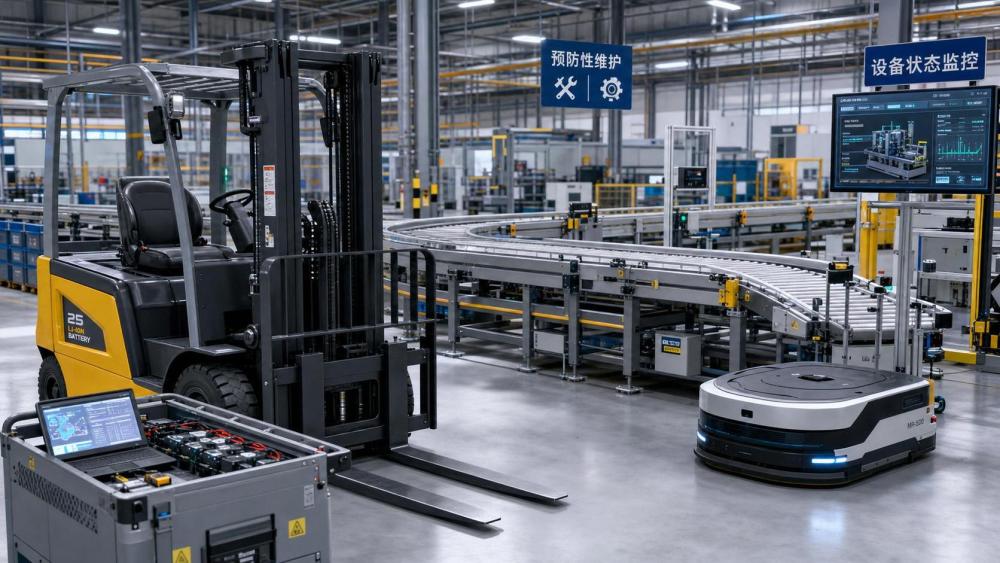
Material handling equipment maintenance shapes uptime, operator safety, and lifecycle cost more than many facilities expect.
The expensive part is rarely one dramatic failure.
More often, losses come from small service mistakes that build quietly across forklifts, conveyors, cranes, hoists, AGVs, and hydraulic lifting systems.
In practical industrial environments, maintenance decisions sit between production pressure and asset protection.
That is why material handling equipment maintenance cannot be judged by schedule compliance alone.
It must be judged by whether the service plan matches load profile, duty cycle, environment, spare parts support, and automation complexity.
Across global manufacturing and logistics investment, Industrial Edge Global often frames equipment as a long-term productive asset, not a short-term purchase.
That lens matters here.
Poor maintenance practice weakens availability, raises energy use, shortens component life, and distorts the true economics of industrial equipment.
Different Sites Create Different Maintenance Risks
A warehouse with electric forklifts does not stress equipment like a steel plant, quarry transfer line, or mixed-use fabrication facility.
The maintenance errors may look similar on paper, but the consequences change fast with the operating context.
In clean indoor distribution, battery health, charging discipline, wheel wear, and sensor reliability often dominate.
In bulk material handling, dust intrusion, chain wear, misalignment, and lubrication quality usually become the real cost drivers.
Where automation is integrated, a mechanical issue can quickly become a controls issue.
A neglected roller, slipping belt, or damaged encoder may reduce throughput long before a full stoppage happens.
This is why effective material handling equipment maintenance starts with operational context, not a generic checklist.
What usually changes from one site to another
- Duty cycle intensity, including starts, stops, and peak loading periods.
- Environmental exposure, such as dust, moisture, heat, corrosive residue, or outdoor temperature swings.
- Maintenance access, especially around conveyors, overhead systems, and compact automated cells.
- Spare parts lead time and local service response.
- Interaction between mechanical equipment and drives, sensors, PLCs, or fleet software.
In High-Throughput Warehouses, Small Delays Become System Losses
High-volume warehouse operations often underestimate how quickly deferred service turns into lost flow.
A single forklift with uneven mast movement may seem manageable.
Yet repeated travel interruptions, pallet handling errors, and battery inefficiency create a broader productivity penalty.
Conveyor-heavy sites face a similar pattern.
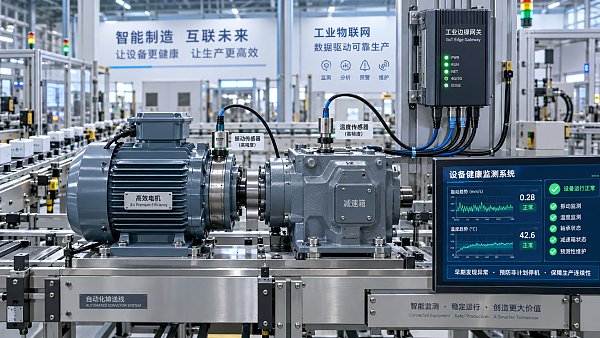
Teams often replace failed parts after stoppages, but ignore rising vibration, off-center tracking, or unusual motor heat beforehand.
That approach increases emergency labor, damages adjacent components, and makes root-cause analysis harder.
For this environment, material handling equipment maintenance should focus on condition signals that affect flow consistency.
Response time matters, but trend visibility matters more.
Costly mistakes often seen here
- Treating batteries as consumables instead of managed assets with charging discipline and thermal monitoring.
- Ignoring wheel, tire, and bearing wear until steering accuracy and floor contact degrade.
- Replacing belts or chains without checking alignment, tension, and pulley condition.
- Running automated lines without cleaning sensors, reflectors, and communication points.
Heavy Industry Demands a Different Maintenance Standard
In steel processing, mining support, cement handling, or port transfer systems, material handling equipment maintenance faces harsher mechanical stress.
Loads are heavier, contaminants are more aggressive, and breakdown windows are less forgiving.
One common mistake is applying OEM interval logic without adjusting for actual contamination and loading conditions.
Lubrication that works in a protected plant area may fail quickly near abrasive dust or washdown exposure.
Another mistake is isolating structural inspection from daily maintenance routines.
Cracks, fastener loosening, rail misalignment, and hydraulic hose fatigue usually develop before a catastrophic event.
When those signs are missed, repair cost expands beyond the original fault.
This is where lifecycle thinking becomes commercially important.
A low-cost service routine can become very expensive if it reduces structural reliability or shortens major component life.
The key judgment is not only frequency
The better question is whether the maintenance method reflects actual operating stress.
For heavy-duty systems, inspection quality, lubricant suitability, and contamination control often matter more than adding generic service hours.
Automated Lines Add Hidden Failure Points
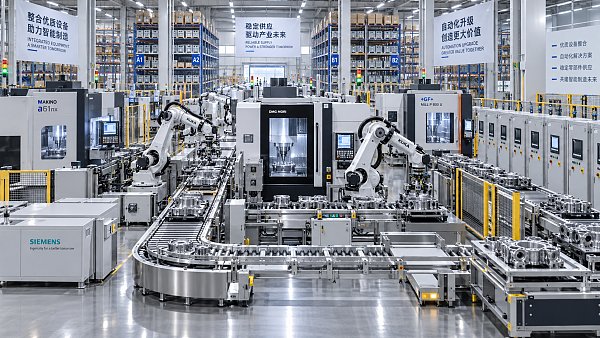
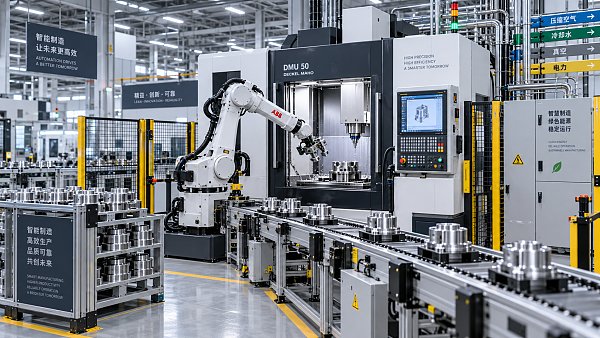
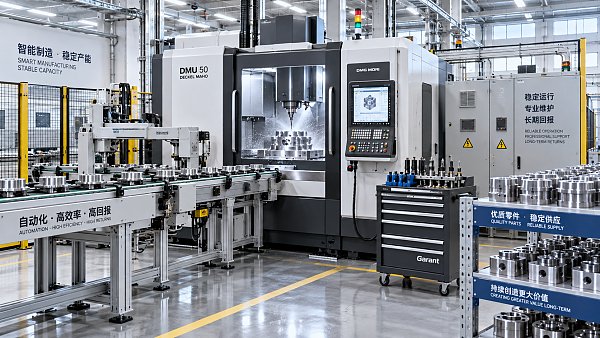
As factories invest in industrial automation, material handling equipment maintenance becomes less mechanical than it first appears.
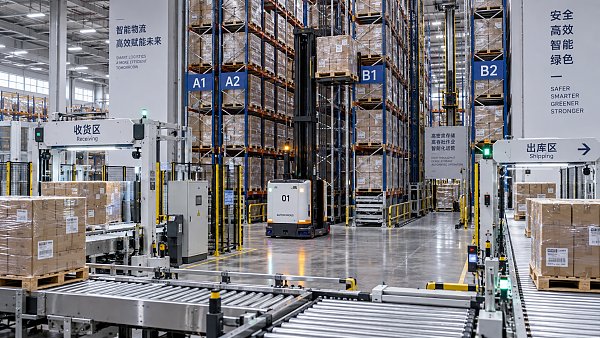
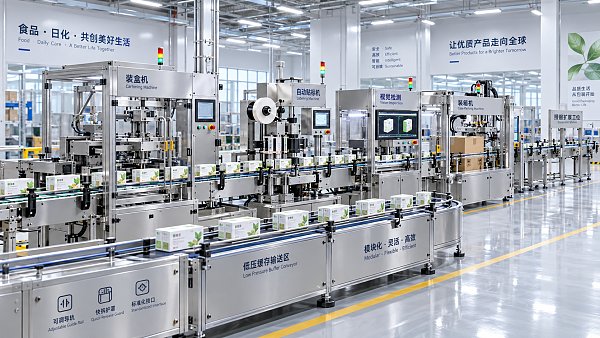
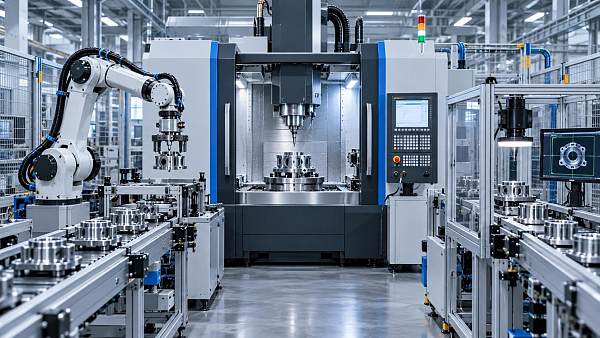
Automated storage systems, smart conveyors, robotic transfer cells, and AGV fleets depend on controls, data, and repeatability.
A frequent error is separating mechanical maintenance from electrical and controls diagnostics.
For example, recurring jams may be blamed on operators when the underlying issue is timing drift, sensor contamination, or unstable motor feedback.
Another expensive mistake is software or firmware change without maintenance validation.
Even a minor update can alter acceleration behavior, stop positions, or fault thresholds.
In these systems, maintenance quality depends on cross-checking mechanical wear with digital behavior.
That is increasingly relevant in capital equipment evaluation, where buyers need clarity on service complexity, training needs, and long-term support.
The Most Expensive Misjudgments Usually Start with Simplified Assumptions
Many maintenance failures come from treating similar equipment as if it has identical service needs.
Two conveyors with the same rated capacity may experience completely different wear because of product shape, shock loading, incline angle, or ambient contamination.
The same applies to electric lift trucks, scissor lifts, monorails, and stacker cranes.
Another weak assumption is focusing on purchase cost while underestimating serviceability.
If access panels are poor, diagnostics are limited, or spare parts are regionally constrained, material handling equipment maintenance becomes slower and more expensive across the full asset life.
This point matters in global industrial markets, where installation conditions and support networks differ sharply by region.
A machine that performs well in specifications may still create downtime risk if the service ecosystem is weak.
Warning signs that teams often dismiss
- Repeated minor faults that disappear after reset.
- Longer cycle times without a clear breakdown event.
- Frequent replacement of the same low-cost part.
- Energy consumption rising without a production increase.
- Maintenance notes that describe symptoms, but not operating conditions.
How to Build a Better Material Handling Equipment Maintenance Approach
The practical goal is not maximum maintenance activity.
It is better maintenance alignment.
Start by grouping equipment by operating stress, failure consequence, and service access difficulty.
That produces more useful priorities than grouping only by equipment type.
Then connect routine inspections to measurable triggers.
Temperature rise, vibration trend, fluid contamination, battery cycle data, and fault code recurrence are stronger indicators than calendar time alone.
Where automation is involved, validate maintenance changes against controls behavior.
Where heavy mechanical loads dominate, document structural and lubrication findings with equal discipline.
This is also where structured industrial intelligence becomes useful.
Clear information about service life, spare parts availability, energy performance, and compatibility supports better asset decisions long before failures appear.
- Review maintenance history by operating scenario, not only by machine model.
- Check whether recurring failures follow load peaks, season changes, or process changes.
- Audit spare parts strategy for long-lead or high-failure items.
- Confirm that inspection routines cover mechanical, hydraulic, electrical, and controls interactions.
- Use downtime events to refine service intervals instead of restoring the old schedule unchanged.
Before the Next Service Cycle, Clarify the Real Failure Drivers
Material handling equipment maintenance works best when it reflects how equipment is actually used, not how it was originally categorized.
The most costly mistakes usually come from oversimplified assumptions, delayed response to weak signals, and poor fit between service plans and site conditions.
A better next step is to map each asset against duty cycle, environment, failure impact, support availability, and integration complexity.
That makes it easier to compare maintenance cost against operational risk.
It also supports stronger decisions on repair timing, replacement planning, and long-term equipment investment.
Related News
 What is driving consolidation in the global equipment supplier market?IEG Heavy Machinery & Automation AnalystGlobal equipment supplier market consolidation is accelerating through technology, service, and supply-chain demands. Discover how buyers can capture value while managing risk.
 When does capital equipment investment pay back in manufacturing?IEG Heavy Machinery & Automation AnalystCapital equipment investment manufacturing: learn when equipment truly pays back by evaluating full costs, cash flow, ramp-up, operational risks, and lifecycle value.
 When does a distribution center need an automated pallet handling system?Heavy Lifting Systems AnalystPallet handling systems help distribution centers overcome labor shortages, bottlenecks, safety risks, and storage constraints. Discover the key signs it’s time to automate.
 How to build a machinery investment plan around payback periodIEG Heavy Machinery & Automation AnalystMachinery investment planning manufacturing guide: build a credible payback plan with full costs, ramp-up assumptions, lifecycle risks, and scenario-based cash benefits.
 How to Specify a Modular Packaging Line for Fast Changeovers and Scalable OutputRobotics EngineerModular packaging line specification guide: achieve faster changeovers, scalable output, reliable controls, and lower lifecycle costs with practical planning.
 How industrial IoT devices reduce unplanned downtime in factoriesRobotics EngineerIndustrial IoT devices help factories detect early equipment issues, plan maintenance, and reduce costly unplanned downtime before production is disrupted.
 What is driving industrial machinery market demand in manufacturing?IEG Heavy Machinery & Automation AnalystIndustrial machinery market manufacturing demand is rising as factories pursue automation, energy efficiency, resilient supply chains, and lifecycle productivity gains.
 316L Stainless Steel Pipe Tube Technical Factors That Shape Buyer DecisionsCNC Machining AnalystA technical analysis for 316L stainless steel pipe tube buyers, covering corrosion expectations, pipe route choice, tolerance, surface, and inspection.
 How ground conditions determine crawler piling equipment selectionConstruction Equipment SpecialistCrawler piling equipment selection starts with ground conditions. Learn how soil, rock, groundwater and site constraints shape safer, more productive piling solutions.
 3300mm CNC Beam Saw Sheet Capacity: Layout Checks Before PurchaseCNC Machining AnalystZhongding ZD330 beam saw specifications: assess 3300mm sheet capacity, layout clearances, handling flow, and acceptance checks before buying.
 How Bucket Chain Diamond Dredgers Meet ISO 12100 Safety Requirements in Alluvial Mining ProjectsMining Infrastructure ExpertBucket chain diamond dredger safety made real: how ISO 12100 compliance ensures operator protection, reliability & zero lost-time injuries in alluvial mining.
 Modular Packaging for High-Mix Automotive Assembly Lines: How Standardized Load Units Reduce Line Changeover Time by 37% — Case Study from Tier-1 Supplier in GuangdongHeavy Lifting Systems AnalystModular packaging slashes automotive line changeover time by 37%—discover how standardized load units boost OEE, cut labor costs, and enable seamless high-mix assembly.