What to verify before choosing a mining machinery supplier




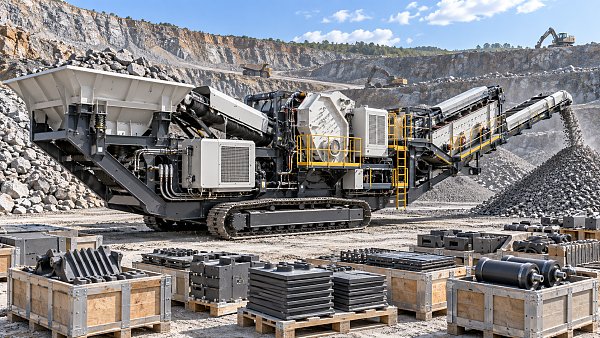
The right mining machinery supplier is not simply the company that can quote the lowest machine price or promise the earliest shipment. Mining equipment must perform under abrasive materials, variable ground conditions, heavy duty cycles, and limited maintenance windows. A supplier that looks competitive at the quotation stage can become expensive if the machine is poorly matched to the application, parts arrive slowly, or technical support disappears after commissioning.
Before shortlisting a mining machinery supplier, verify whether it can support the entire operating life of the equipment: application engineering, manufacturing consistency, delivery execution, commissioning, spare parts, maintenance, and performance follow-up. The goal is to select a supplier that can help the operation achieve stable production, rather than merely deliver a machine.
Start with the mine application, not the equipment brochure
A product catalogue may show drilling rigs, loaders, crushers, screens, haul trucks, conveyors, pumps, or auxiliary equipment with impressive capacity figures. Those figures are useful only when the operating conditions are comparable to the proposed use.
Define the job before asking suppliers to recommend a model. The specification should describe material type, expected throughput, feed size, moisture, abrasiveness, altitude, ambient temperature, terrain, power availability, operating schedule, and required output quality. For mobile equipment, include haul distance, gradient, turning space, road condition, loading pattern, and the interaction with existing trucks, excavators, or shovels.
A supplier should be able to explain why a particular configuration fits these conditions. For example, a crushing system chosen for hard, abrasive rock requires a different wear strategy from one handling softer but sticky material. A drill selected for shallow production holes may not be suitable for deep-hole drilling or unstable ground. A loader with adequate bucket volume may still be a poor choice if its breakout force, traction, cooling system, or service access does not suit the site.
Be cautious when a supplier responds to an incomplete brief with an immediate model recommendation. That may indicate a sales-led selection process rather than an engineering-led one. Good suppliers ask questions that reveal operational constraints, including conditions that can reduce output or increase wear.
Verify machine performance under real operating conditions
Nameplate capacity is not the same as production capacity. The difference is often created by feed variation, operator practices, material behavior, maintenance interruptions, and bottlenecks elsewhere in the process. Ask the supplier to distinguish between theoretical output and the conditions required to achieve it.
For processing equipment, review the full material flow instead of evaluating a crusher or screen in isolation. Confirm the feed arrangement, transfer points, recirculating loads, dust control interfaces, discharge capacity, and access for clearing blockages. A high-capacity primary machine provides little value if the downstream conveyor, screen, bin, or stockpile arrangement limits the system.
For mobile mining machinery, examine duty-cycle assumptions. Verify payload, cycle time, fuel or energy consumption under the intended load, hydraulic response, braking performance, cooling capability, and stability on the actual terrain. The relevant question is not whether a machine can complete a task once, but whether it can complete that task repeatedly without excessive heat, wear, operator fatigue, or unplanned downtime.
Ask for an itemized configuration rather than accepting a broad model name. Attachments, liners, tires or tracks, engines, filtration, guarding, electrical components, and automation options can materially change suitability. A comparable-looking machine may use a different component grade or have fewer protections for dust, heat, moisture, or corrosion.
Assess the supplier's engineering and manufacturing control
Mining machinery works in an environment where small weaknesses can create long shutdowns. Fabrication quality, welding consistency, hydraulic routing, structural design, machining accuracy, and component selection deserve more attention than cosmetic finish or brochure language.
Ask how the supplier controls critical stages of production. Useful discussion points include material traceability for major structures, inspection of fabricated parts, testing of hydraulic assemblies, assembly procedures, functional testing, and records supplied with the machine. The answer should be specific enough to show that quality control is a working process, not a generic claim.
It is also important to identify which major components are manufactured in-house and which are sourced externally. Outsourced components are not automatically a concern; many dependable machines use established third-party engines, drives, bearings, pumps, and electrical systems. What matters is whether the supplier can identify the component specification, maintain continuity of supply, and support replacement parts over the equipment lifecycle.
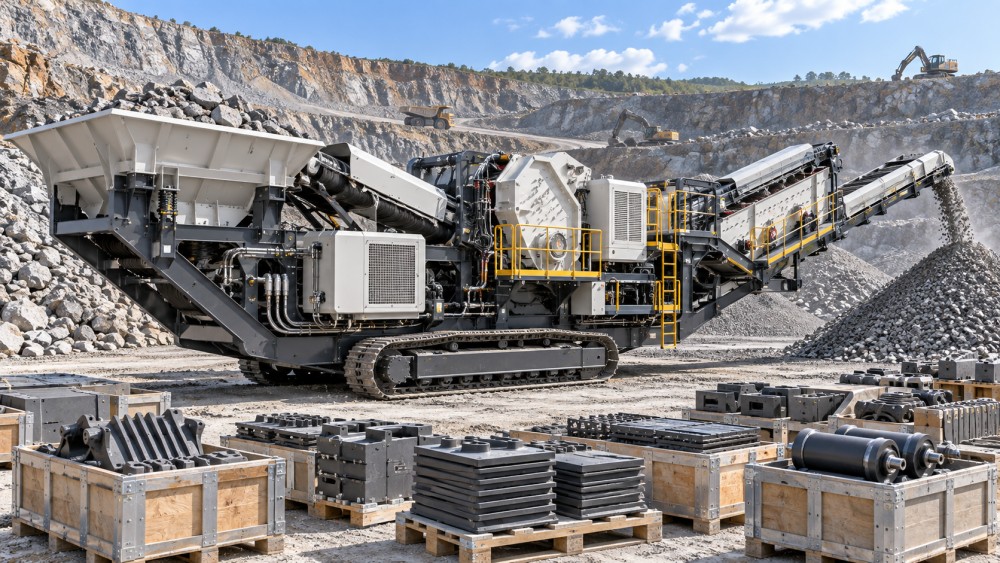
Where the purchase is material to production capacity, inspect the manufacturing facility or arrange an independent pre-shipment inspection. Review a completed machine similar to the proposed unit, not only a demonstration model. Check service points, hose protection, weld accessibility, panel sealing, guarding, lifting points, and the practical ease of replacing common wear components. Maintenance access is often easier to judge in person than from drawings.
Test whether delivery promises are supported by a real plan
Delivery risk is more complex than the stated lead time. A supplier may be able to assemble a base machine quickly while critical purchased components, optional systems, documentation, or export preparation create delays. Request a delivery plan that separates engineering approval, manufacturing, testing, inspection, packing, shipment, installation support, and commissioning.
For a processing plant or integrated mining system, clarify who is responsible for each interface. Foundations, steel structures, electrical supply, control wiring, dust collection, water systems, conveyors, chutes, and civil works may sit with different parties. Unclear boundaries lead to site delays and disputes over what was included.
The same applies to technical documents. Before placing an order, establish which drawings, manuals, wiring diagrams, parts lists, maintenance schedules, and commissioning records will be delivered, and when. Documents that arrive after installation has started are far less useful than documents issued during site preparation.
Payment milestones should be connected to visible deliverables. The purpose is not to make contracting more difficult; it is to ensure that engineering approval, factory testing, shipment readiness, and site support are tied to measurable progress rather than vague statements of completion.
Spare parts capability matters more than a broad parts list
Every mining equipment supplier can say that spare parts are available. The meaningful question is whether the operation can obtain the parts most likely to stop production before they become urgent.
Ask the supplier to separate recommended start-up spares, planned wear parts, critical failure spares, and ordinary consumables. These categories serve different purposes. A set of wear liners, drill consumables, filters, belts, seals, or screen media may be replaced predictably. A hydraulic pump, control module, gearbox component, or specialized bearing may be required less often but can cause a much longer shutdown if unavailable.
The supplier should provide clear part numbers, quantities, expected replacement triggers, storage requirements, and the relationship between each part and machine configuration. This is particularly important when equipment includes non-standard options. A parts list for the basic model may not cover the components fitted to the delivered machine.
Evaluate the supplier's parts network in relation to the site location. For remote operations, local inventory, regional support, and the ability to use commonly available service components can reduce exposure. For large or highly specialized assets, holding selected critical spares on site may be justified even when the supplier maintains stock elsewhere. The appropriate strategy depends on downtime consequence, lead time, storage conditions, and the availability of alternative equipment.
Examine service support as an operating capability
After-sales support should be assessed before the order, not after the first breakdown. Find out who will handle installation, commissioning, operator familiarization, scheduled maintenance, troubleshooting, and warranty cases. A supplier may have a responsive sales contact but limited field-service capacity.
Ask direct operational questions: Can technicians reach the site when needed? Are remote diagnostics available for the proposed control system? Who can authorize a warranty decision? What information is required to diagnose a fault? Can the local maintenance team receive technical training and service documentation? These questions reveal whether the support model is practical.
Training should be specific to the intended users and equipment. Operator training needs to cover normal operation, inspections, safe shutdown, warning signs, and the limits of the machine. Maintenance training should cover lubrication, adjustments, common fault isolation, component replacement, and escalation procedures. Training that only demonstrates basic controls may leave the site dependent on external support for routine issues.
For equipment with automation, telematics, sensors, or programmable controls, verify data ownership, access rights, software support, and the method for updating or restoring configurations. Digital features can improve visibility and maintenance planning, but they also add dependency on software access and competent support.
Compare lifecycle cost, not purchase price alone
A lower initial quotation can be valid when the equipment is simpler, the duty is light, and replacement is easy. It becomes a weak decision basis when production losses, wear consumption, fuel use, labor requirements, or repair delays outweigh the saving.
Build the comparison around the operating cost drivers that matter for the specific machine. Depending on the equipment type, these may include energy or fuel use, wear parts, tires or undercarriage, lubrication, labor, planned service intervals, expected repair exposure, and downtime during component changeout. Do not force every cost into a single precise projection when site variables are uncertain. Instead, compare the assumptions behind each supplier's proposal.
Also consider the value of standardization. Choosing equipment that shares filters, fluids, controls, attachments, or service practices with an existing fleet can reduce training and inventory demands. Standardization is not always the best answer; a specialized machine may produce better results in a demanding application. But the additional complexity should be deliberate and economically justified.
Use references to investigate the operating reality
References are most useful when they involve comparable equipment and conditions. A supplier may have strong experience in quarrying, construction, or aggregate processing but limited knowledge of underground mining, high-altitude operation, corrosive materials, or continuous heavy-duty production. Relevance matters more than the number of references supplied.
When discussing a reference, focus on practical questions: What material is handled? How intensive is the duty cycle? What wear items are consumed most frequently? What issues appeared during commissioning? How quickly were parts and technical support provided? What modifications were needed after installation? The objective is to understand the supplier's response when normal operating assumptions meet real site conditions.
Industrial Edge Global (IEG) can support this comparison process by organizing technical information around machinery applications, operating constraints, lifecycle value, and sourcing risk. Independent equipment research is most useful when it helps translate a supplier's specifications into the questions that affect production, maintenance, and long-term asset performance.
Make the final decision with a cross-functional review
The most reliable selection is rarely made from commercial documents alone. Bring operations, maintenance, engineering, safety, logistics, and finance into the final review. Each function sees a different failure mode: operations sees throughput risk, maintenance sees repair access, engineering sees interface risk, safety sees operating exposure, and finance sees the cost of interruptions as well as the equipment price.
A practical final review should test the supplier against a small number of decision-critical questions:
- Does the proposed equipment match the material, environment, and duty cycle?
- Are the machine configuration and supply scope detailed enough to compare fairly?
- Can the supplier demonstrate manufacturing control, inspection, and relevant application knowledge?
- Is there a credible route to parts, technical service, and operator maintenance capability?
- Are delivery, commissioning, and site interfaces assigned to named responsibilities?
- Does the expected operating burden remain acceptable after wear, service, energy, and downtime exposure are considered?
The strongest choice may not be the lowest-priced offer or the most feature-rich machine. It is the supplier whose equipment, support model, and commercial commitments remain credible when examined against the mine's actual operating conditions. That is the standard that turns a machinery purchase into a productive long-term asset.
- Last One:No more articles
- Next Article:How crane jib length affects lifting capacity at different radii2026-09-22
Related News
 What to verify before choosing a mining machinery supplierMining Infrastructure ExpertChoose a mining machinery supplier with confidence. Verify application fit, real-world performance, parts availability, service support, delivery plans, and lifecycle cost before you invest.
 How crane jib length affects lifting capacity at different radiiHeavy Lifting Systems AnalystCrane jib length affects lifting capacity as radius increases. Learn how to read load charts, assess lift geometry, and select the right crane configuration safely.
 How to match construction equipment to Middle East heat and dust conditionsConstruction Equipment SpecialistConstruction equipment Middle East guide: match cooling, filtration, hydraulics, and local service support to heat and dust for reliable uptime.
 What is driving consolidation in the global equipment supplier market?IEG Heavy Machinery & Automation AnalystGlobal equipment supplier market consolidation is accelerating through technology, service, and supply-chain demands. Discover how buyers can capture value while managing risk.
 When does capital equipment investment pay back in manufacturing?IEG Heavy Machinery & Automation AnalystCapital equipment investment manufacturing: learn when equipment truly pays back by evaluating full costs, cash flow, ramp-up, operational risks, and lifecycle value.
 When does a distribution center need an automated pallet handling system?Heavy Lifting Systems AnalystPallet handling systems help distribution centers overcome labor shortages, bottlenecks, safety risks, and storage constraints. Discover the key signs it’s time to automate.
 How to build a machinery investment plan around payback periodIEG Heavy Machinery & Automation AnalystMachinery investment planning manufacturing guide: build a credible payback plan with full costs, ramp-up assumptions, lifecycle risks, and scenario-based cash benefits.
 What to Ask a Bulk Material Dust Control Supplier Before Ordering a SystemHeavy Lifting Systems AnalystBulk material dust control supplier checklist: learn the critical questions on airflow, containment, filtration, installation, and performance before ordering your system.
 Is a Cobot Palletizer Worth It for High-Mix, Low-Volume Production Lines?Robotics EngineerCobot palletizer ROI: discover whether flexible automation delivers value for high-mix, low-volume lines. Compare costs, changeovers, labor, and integration factors.
 Calculating Palletizing ROI: Labor Savings, Throughput Gains, and Payback RisksIEG Heavy Machinery & Automation AnalystROI of palletizing: learn how to calculate labor savings, throughput gains, installed costs, and payback risks for a stronger automation investment case.
 How to Specify a Modular Packaging Line for Fast Changeovers and Scalable OutputRobotics EngineerModular packaging line specification guide: achieve faster changeovers, scalable output, reliable controls, and lower lifecycle costs with practical planning.
 How industrial IoT devices reduce unplanned downtime in factoriesRobotics EngineerIndustrial IoT devices help factories detect early equipment issues, plan maintenance, and reduce costly unplanned downtime before production is disrupted.