When to Use Impact Crushers for Secondary Crushing




When to Use Impact Crushers for Secondary Crushing
Choosing the right equipment for secondary crushing can directly affect product shape, throughput, and operating cost.
In many aggregate and mining applications, impact crushers secondary crushing setups are preferred when better cubicity and flexible reduction matter.
They can also improve screening efficiency and support stronger downstream performance.
Still, they are not the right answer for every feed material or plant target.
The real question is not whether impact crushers are popular.
It is when impact crushers secondary crushing systems create measurable value over cone or other secondary options.
Why Impact Crushers Fit Secondary Crushing
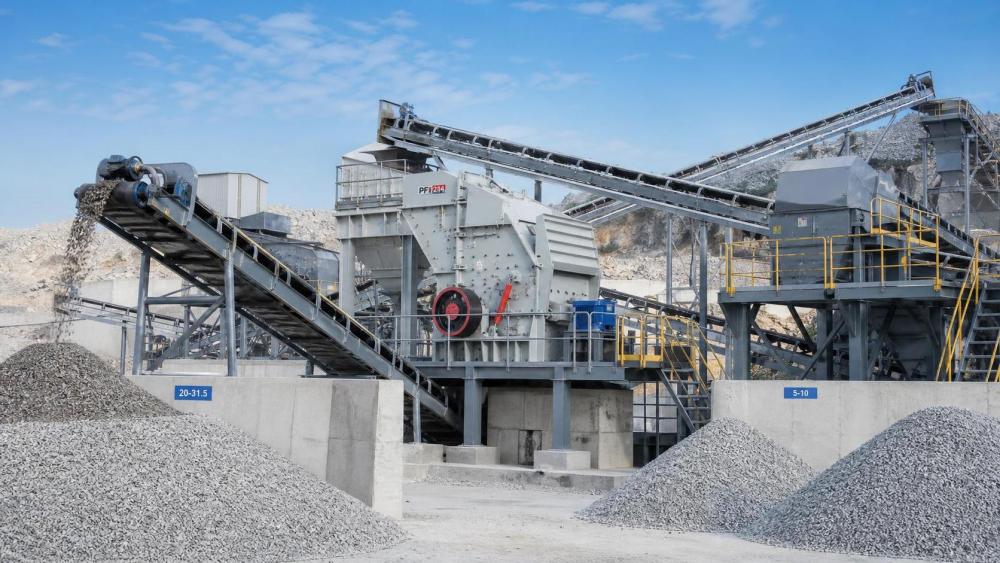
Secondary crushing sits between primary reduction and final sizing.
At this stage, shape control often becomes more important than simple size reduction.
That is where impact crushers secondary crushing lines often stand out.
They break material through impact energy rather than pure compression.
This mechanism tends to produce more cubical particles and fewer elongated pieces.
For concrete aggregates, asphalt mixes, and road base materials, that difference matters.
Better shape can improve compaction, finished product quality, and customer acceptance.
In practical terms, impact crushers secondary crushing circuits are usually selected when output quality carries commercial weight.
Core performance advantages
- Strong particle cubicity for construction aggregates.
- Flexible reduction ratios for varied feed conditions.
- Good control of flakiness in many mid-hard materials.
- Cleaner downstream screening in well-matched circuits.
- Fast adjustment for changing product requirements.
Best Material and Application Conditions
Impact crushers secondary crushing systems perform best under specific material conditions.
They are commonly used with limestone, dolomite, gypsum, and recycled concrete.
They also work well in some medium-hard rock applications where abrasiveness stays manageable.
From a selection standpoint, hardness alone is not enough.
Abrasion index, moisture, clay content, and feed consistency can change the economics quickly.
This is one reason technical reviews should always compare wear cost, not just purchase cost.
Good use cases for impact crushers secondary crushing
- Aggregate plants selling high-shape finished products.
- Road projects needing uniform and well-graded material.
- Recycling operations processing concrete and demolition waste.
- Quarries requiring quick product changes across different fractions.
- Plants where downstream screening efficiency strongly affects revenue.
More clearly, impact crushers secondary crushing solutions are strongest when shape quality creates pricing power or process efficiency.
When an Impact Crusher May Not Be the Best Choice
There are also situations where another secondary crusher makes more sense.
Highly abrasive rock can raise blow bar wear and increase maintenance frequency.
Very hard feed may reduce productivity or push operating cost beyond acceptable limits.
Sticky material with excess moisture can also reduce chamber efficiency.
In these cases, cone crushers may offer better wear life and more stable cost control.
That does not weaken the case for impact crushers secondary crushing setups.
It simply means the machine must match the feed and the commercial target.
Warning signs during evaluation
- Rock abrasiveness is high and wear data is unclear.
- Feed size varies widely because primary crushing is unstable.
- Moisture and fines cause chamber buildup.
- Maintenance access is limited at the plant layout stage.
- Spare parts lead time is long in the target region.
Key Selection Factors Beyond the Crusher Itself
A good decision usually comes from system thinking, not machine comparison alone.
Impact crushers secondary crushing performance depends on the entire circuit.
Feeder stability, pre-screening, conveyor load, and screen sizing all shape final results.
This also means a lower-priced crusher can become the higher-cost option over time.
In actual procurement work, several factors deserve structured review.
From a lifecycle perspective, impact crushers secondary crushing decisions should always connect output value with service cost and downtime exposure.
How to Compare Impact Crushers With Alternative Secondary Options
The best comparison framework is practical and measurable.
Do not stop at nameplate capacity or brochure reduction ratio.
Instead, compare the economics of the full process.
For many buyers, impact crushers secondary crushing setups justify themselves through finished product value rather than pure tonnage.
A useful comparison checklist
- Measure actual cubicity and flakiness results.
- Estimate wear cost per ton under real feed conditions.
- Review downtime hours for blow bar or liner change.
- Check screen performance after the secondary stage.
- Assess power draw across target production ranges.
- Confirm service support and spare parts availability.
This process creates a more realistic view of whether impact crushers secondary crushing systems fit the site better than compression-based alternatives.
A Practical Decision Framework
A clear decision path reduces selection risk.
Start with material testing and verified feed data.
Then define the business target behind the secondary stage.
Is the priority shape, tonnage, wear life, flexibility, or downstream efficiency?
That answer will quickly narrow the equipment shortlist.
When shape quality, adjustable reduction, and marketable finished aggregate are top priorities, impact crushers secondary crushing configurations are often the stronger choice.
When feed is very hard or highly abrasive, another option may protect lifecycle cost better.
The most reliable decisions usually come from pilot data, supplier references, and plant-specific cost modeling.
In other words, the right machine is the one that supports the total production strategy.
For industrial buyers, that means connecting equipment selection with uptime, product quality, service support, and return on capital.
Used this way, impact crushers secondary crushing decisions become less about preference and more about fit, evidence, and long-term operating value.
Related News
 What is driving consolidation in the global equipment supplier market?IEG Heavy Machinery & Automation AnalystGlobal equipment supplier market consolidation is accelerating through technology, service, and supply-chain demands. Discover how buyers can capture value while managing risk.
 When does capital equipment investment pay back in manufacturing?IEG Heavy Machinery & Automation AnalystCapital equipment investment manufacturing: learn when equipment truly pays back by evaluating full costs, cash flow, ramp-up, operational risks, and lifecycle value.
 When does a distribution center need an automated pallet handling system?Heavy Lifting Systems AnalystPallet handling systems help distribution centers overcome labor shortages, bottlenecks, safety risks, and storage constraints. Discover the key signs it’s time to automate.
 How to build a machinery investment plan around payback periodIEG Heavy Machinery & Automation AnalystMachinery investment planning manufacturing guide: build a credible payback plan with full costs, ramp-up assumptions, lifecycle risks, and scenario-based cash benefits.
 How to Specify a Modular Packaging Line for Fast Changeovers and Scalable OutputRobotics EngineerModular packaging line specification guide: achieve faster changeovers, scalable output, reliable controls, and lower lifecycle costs with practical planning.
 How industrial IoT devices reduce unplanned downtime in factoriesRobotics EngineerIndustrial IoT devices help factories detect early equipment issues, plan maintenance, and reduce costly unplanned downtime before production is disrupted.
 What is driving industrial machinery market demand in manufacturing?IEG Heavy Machinery & Automation AnalystIndustrial machinery market manufacturing demand is rising as factories pursue automation, energy efficiency, resilient supply chains, and lifecycle productivity gains.
 316L Stainless Steel Pipe Tube Technical Factors That Shape Buyer DecisionsCNC Machining AnalystA technical analysis for 316L stainless steel pipe tube buyers, covering corrosion expectations, pipe route choice, tolerance, surface, and inspection.
 How ground conditions determine crawler piling equipment selectionConstruction Equipment SpecialistCrawler piling equipment selection starts with ground conditions. Learn how soil, rock, groundwater and site constraints shape safer, more productive piling solutions.
 3300mm CNC Beam Saw Sheet Capacity: Layout Checks Before PurchaseCNC Machining AnalystZhongding ZD330 beam saw specifications: assess 3300mm sheet capacity, layout clearances, handling flow, and acceptance checks before buying.
 How Bucket Chain Diamond Dredgers Meet ISO 12100 Safety Requirements in Alluvial Mining ProjectsMining Infrastructure ExpertBucket chain diamond dredger safety made real: how ISO 12100 compliance ensures operator protection, reliability & zero lost-time injuries in alluvial mining.
 Modular Packaging for High-Mix Automotive Assembly Lines: How Standardized Load Units Reduce Line Changeover Time by 37% — Case Study from Tier-1 Supplier in GuangdongHeavy Lifting Systems AnalystModular packaging slashes automotive line changeover time by 37%—discover how standardized load units boost OEE, cut labor costs, and enable seamless high-mix assembly.