Industrial Hoists in Construction: Common Sizing Mistakes to Avoid




Industrial Hoists in Construction: Common Sizing Mistakes to Avoid
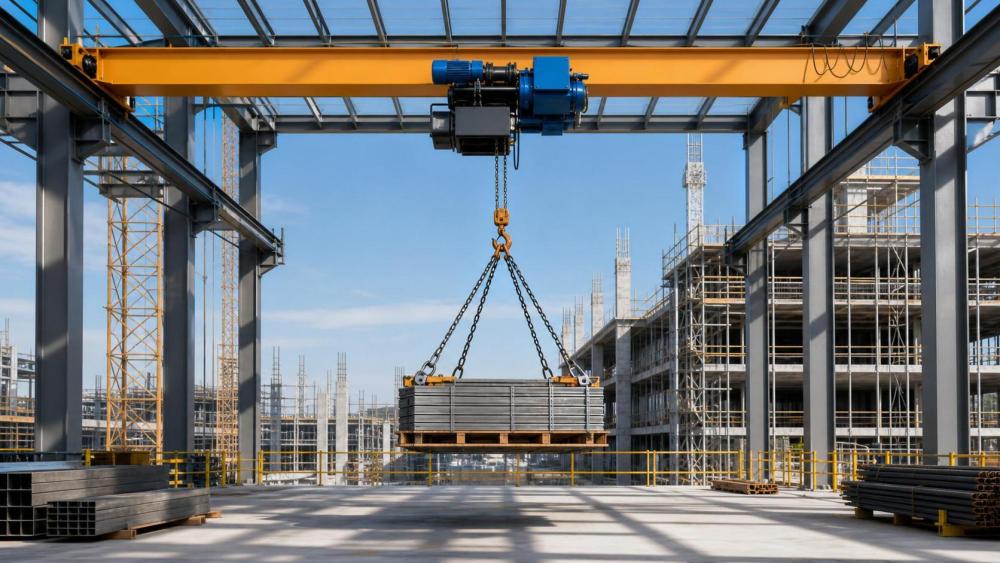
Selecting the right lifting system can shape project cost, safety, and schedule more than many teams expect.
Yet industrial hoists construction teams specify are often sized from rough assumptions instead of real operating conditions.
That usually leads to two expensive outcomes.
The first is an undersized hoist that struggles with peak demand, duty cycle, or lifting height.
The second is an oversized system that adds purchase cost, energy use, structural load, and maintenance complexity.
In real projects, sizing is not just about rated capacity.
It also involves load profile, lift path, operating frequency, site constraints, and long-term service requirements.
This article breaks down the most common mistakes and shows how to make better hoist selection decisions.
Why Sizing Errors Happen So Often
Many hoist specifications start with a single question: how heavy is the load?
That question matters, but it is not enough for industrial hoists construction projects rely on every day.
Loads vary by attachment, rigging method, center of gravity, and movement pattern.
Jobsite conditions also change faster than many procurement plans do.
A hoist chosen for concrete handling may later support steel, formwork, mechanical equipment, or maintenance lifts.
From recent market shifts, a clearer signal is tighter timelines and higher utilization of shared lifting assets.
That means sizing mistakes now create bottlenecks much earlier in a project lifecycle.
Common causes behind poor hoist selection
- Using nominal load weight without including rigging, hooks, spreaders, or lifting frames.
- Ignoring peak loads during startup, stopping, or off-center lifting.
- Confusing occasional lifting needs with continuous operating demand.
- Choosing a hoist from catalog capacity alone.
- Overlooking structure limits, power supply, weather exposure, and maintenance access.
Mistake 1: Sizing Only for Rated Load
This is the most common error in industrial hoists construction planning.
Teams often size the hoist for the listed material weight, then stop there.
But the actual lifted load usually includes more than the payload.
Rigging gear, containers, lifting beams, grabs, and special fixtures can add significant extra mass.
Dynamic effects matter too.
A fast start, sudden stop, or swing correction can create temporary load increases beyond static weight.
For that reason, capacity calculations should include a practical operating margin, not just the nameplate figure.
What to check
- Maximum payload weight.
- Total rigging and attachment weight.
- Potential shock loading during movement.
- Any future change in lifted materials.
If these values are unclear, the specification is not ready.
Mistake 2: Ignoring Duty Cycle and Throughput
A hoist may handle the load but still fail the application.
That happens when the system is sized for weight, but not for how often it must run.
Industrial hoists construction sites use for repetitive lifting face thermal, mechanical, and brake wear limits.
A unit suited for occasional lifts may overheat or wear quickly under continuous daily cycles.
This is especially relevant on high-rise projects, prefab installation, and material staging zones.
In practice, throughput pressure often grows after the project starts.
That makes early underestimation costly.
Questions that improve sizing accuracy
- How many lifts are required per hour and per shift?
- What is the average lift height?
- How long does each cycle last, including positioning?
- Will demand spike during certain construction phases?
These answers often reshape the hoist selection more than raw capacity does.
Mistake 3: Overlooking Lift Height, Speed, and Travel Path
Another frequent issue is treating all vertical lifting tasks as equal.
They are not.
Long lift heights reduce effective productivity if hoist speed is too low.
At the same time, high speed without fine control can hurt placement accuracy and increase safety risk.
The travel path matters as much as the lift itself.
Clearance limits, beam length, headroom, hook approach, and side pull conditions all affect usable performance.
A hoist that looks right on paper can become awkward in a tight site layout.
Practical sizing points
- Match lift speed to cycle demand and placement precision.
- Confirm usable lift, not just theoretical lift height.
- Check headroom and structural interference early.
- Avoid side pulling unless the equipment is designed for it.
Mistake 4: Choosing Oversized Equipment for “Safety”
Some teams respond to uncertainty by buying the largest option the budget allows.
That feels conservative, but it often creates avoidable cost.
Oversized industrial hoists construction planners approve can require stronger supporting structures, larger power supply, and more complex installation.
They may also operate less efficiently under light routine loads.
In some cases, oversized systems reduce control sensitivity for delicate placement work.
Safety comes from correct engineering margin, not from unchecked overcapacity.
This also means lifecycle cost should be part of every sizing decision.
Where oversizing adds hidden cost
Common impacts include higher capital cost, longer lead time, heavier runway requirements, and increased maintenance burden.
For buyers comparing options, those factors can outweigh the benefit of extra unused capacity.
Mistake 5: Missing Site and Environmental Conditions
Industrial hoists construction environments expose equipment to dust, moisture, temperature swings, vibration, and unstable power conditions.
If sizing and configuration ignore those factors, reliability suffers quickly.
Outdoor use may require stronger enclosure protection, corrosion resistance, and weather covers.
Confined indoor zones may require compact dimensions, quieter operation, or variable speed control.
Power quality is another overlooked issue.
A hoist sized correctly for load can still underperform if site voltage, duty profile, and motor design do not align.
Site review checklist
- Indoor or outdoor exposure.
- Temperature range and humidity.
- Available power supply and control compatibility.
- Access for service, inspection, and spare parts replacement.
A Better Decision Framework for Industrial Hoists Construction Teams Can Use
A stronger approach starts with operating reality, not brochure data.
Teams should define the lifting task in full, then compare hoist options against that profile.
This usually improves both safety and commercial value.
Recommended evaluation sequence
- Define maximum total lifted load, including accessories and rigging.
- Map lift frequency, daily cycles, and peak demand periods.
- Confirm lift height, speed target, headroom, and travel path restrictions.
- Review site environment, structure capacity, and power availability.
- Estimate lifecycle cost, maintenance access, and parts support.
- Leave room for realistic project changes, not unlimited overcapacity.
This process makes industrial hoists construction procurement more disciplined and easier to justify internally.
Final Takeaway
Most hoist sizing mistakes come from simplifying the job too early.
Capacity matters, but it is only one part of the decision.
The best industrial hoists construction projects use are matched to real loads, actual duty cycle, site constraints, and long-term service expectations.
That reduces downtime, improves lifting efficiency, and prevents costly mid-project changes.
Before issuing a purchase decision, review the application with engineering, operations, and maintenance inputs together.
That extra step often delivers the most reliable hoist selection outcome.
Related News
 What is driving consolidation in the global equipment supplier market?IEG Heavy Machinery & Automation AnalystGlobal equipment supplier market consolidation is accelerating through technology, service, and supply-chain demands. Discover how buyers can capture value while managing risk.
 When does capital equipment investment pay back in manufacturing?IEG Heavy Machinery & Automation AnalystCapital equipment investment manufacturing: learn when equipment truly pays back by evaluating full costs, cash flow, ramp-up, operational risks, and lifecycle value.
 When does a distribution center need an automated pallet handling system?Heavy Lifting Systems AnalystPallet handling systems help distribution centers overcome labor shortages, bottlenecks, safety risks, and storage constraints. Discover the key signs it’s time to automate.
 How to build a machinery investment plan around payback periodIEG Heavy Machinery & Automation AnalystMachinery investment planning manufacturing guide: build a credible payback plan with full costs, ramp-up assumptions, lifecycle risks, and scenario-based cash benefits.
 How to Specify a Modular Packaging Line for Fast Changeovers and Scalable OutputRobotics EngineerModular packaging line specification guide: achieve faster changeovers, scalable output, reliable controls, and lower lifecycle costs with practical planning.
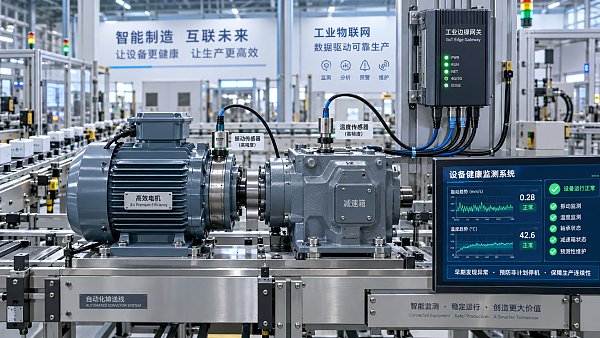
 How industrial IoT devices reduce unplanned downtime in factoriesRobotics EngineerIndustrial IoT devices help factories detect early equipment issues, plan maintenance, and reduce costly unplanned downtime before production is disrupted.
 What is driving industrial machinery market demand in manufacturing?IEG Heavy Machinery & Automation AnalystIndustrial machinery market manufacturing demand is rising as factories pursue automation, energy efficiency, resilient supply chains, and lifecycle productivity gains.
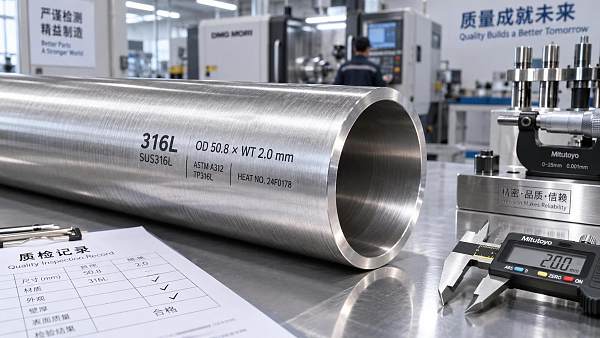
 316L Stainless Steel Pipe Tube Technical Factors That Shape Buyer DecisionsCNC Machining AnalystA technical analysis for 316L stainless steel pipe tube buyers, covering corrosion expectations, pipe route choice, tolerance, surface, and inspection.
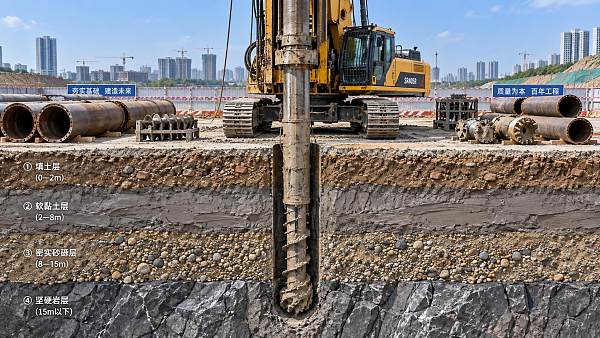
 How ground conditions determine crawler piling equipment selectionConstruction Equipment SpecialistCrawler piling equipment selection starts with ground conditions. Learn how soil, rock, groundwater and site constraints shape safer, more productive piling solutions.
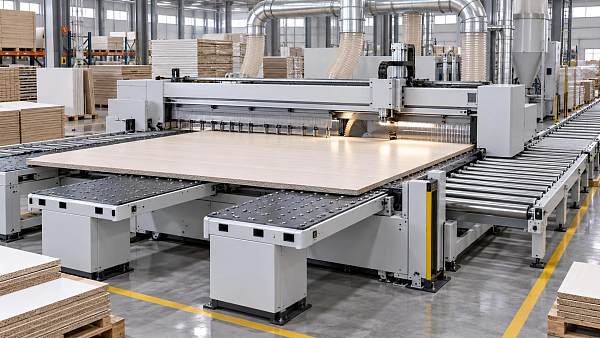
 3300mm CNC Beam Saw Sheet Capacity: Layout Checks Before PurchaseCNC Machining AnalystZhongding ZD330 beam saw specifications: assess 3300mm sheet capacity, layout clearances, handling flow, and acceptance checks before buying.
 How Bucket Chain Diamond Dredgers Meet ISO 12100 Safety Requirements in Alluvial Mining ProjectsMining Infrastructure ExpertBucket chain diamond dredger safety made real: how ISO 12100 compliance ensures operator protection, reliability & zero lost-time injuries in alluvial mining.
 Modular Packaging for High-Mix Automotive Assembly Lines: How Standardized Load Units Reduce Line Changeover Time by 37% — Case Study from Tier-1 Supplier in GuangdongHeavy Lifting Systems AnalystModular packaging slashes automotive line changeover time by 37%—discover how standardized load units boost OEE, cut labor costs, and enable seamless high-mix assembly.