Red Sea Disruptions Push Asia-Europe Freight Up 47%




The timing of this development is not clearly specified in the available input, but the signal is clear: tighter passage conditions linked to the Suez Canal and continued diversion around the Cape of Good Hope are no longer just transport issues. For the engineering machinery trade, they are becoming an operational rule change affecting freight costs, delivery commitments, distributor inventory planning, and project scheduling across the China-Europe corridor. What deserves closer attention is that this is not only about higher rates; it also points to a more restrictive shipping environment that exporters, buyers, and logistics providers now need to account for in execution.
What the confirmed shipping data shows
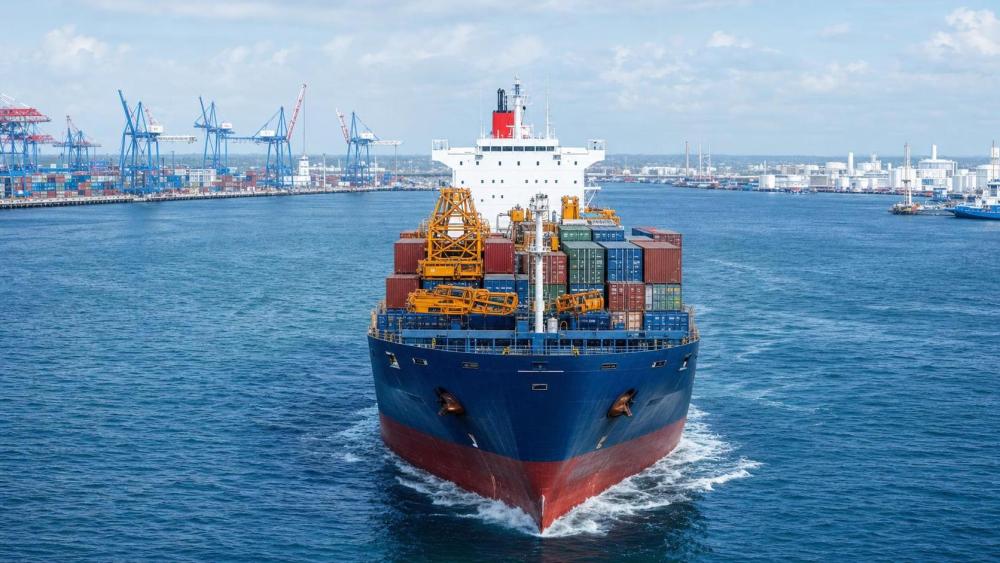
According to joint monitoring by the Shanghai Shipping Exchange and Drewry, as of June 30, 2026, the weekly increase in the World Container Index for Red Sea cargo rerouted via the Cape of Good Hope reached 47.2%.
The same input indicates that transport costs for complete engineering machinery units and large components on the main Asia-Europe route have risen materially.
At the same time, tighter Suez Canal transit allocations have added to arrival delays at major ports including Rotterdam and Hamburg.
Against that backdrop, the average delivery cycle for Chinese engineering machinery orders to Europe has been extended by 12 to 18 days, with direct implications for overseas distributor inventory planning and project timelines.
Where the pressure is likely to appear first
Export contracts now face a tighter delivery margin
From an industry perspective, engineering machinery exporters are likely to feel the impact first because complete machines and large components are highly sensitive to freight availability, route changes, and port congestion. The main pressure points are delivery scheduling, shipment booking, customer communication, and the practical management of order lead times. Companies in this position should pay closer attention to delivery clauses, shipping documentation consistency, and whether promised dispatch and arrival windows still match actual route conditions.
European distributors and project-side buyers may need to revise planning assumptions
Distributors and procurement-side buyers are likely to be affected because delayed arrivals can disrupt stock replenishment and project sequencing. In practical terms, the issue is less about a single shipment and more about whether existing inventory plans, installation schedules, and customer commitments were built on pre-disruption transit assumptions. What deserves closer attention is the need to recheck order timing, receiving schedules, and any bid or supply documents that rely on fixed delivery expectations.
Logistics and supply chain service providers face higher execution risk
For freight forwarders, shipping coordinators, and related supply chain service providers, the impact is likely to center on routing decisions, booking certainty, transit visibility, and exception handling at destination ports. The rule-related signal here is that tighter canal allocation and continued rerouting can change the practical compliance baseline for delivery execution, even where formal trade requirements have not changed. These participants should therefore watch for changes in shipping conditions, documentary timing, and customer notice requirements tied to delayed arrival.
After-sales and parts support may also come under pressure
Where machinery sales depend on follow-up parts supply or installation coordination, longer transit cycles may carry through into service delivery. Analysis shows that this matters especially when project schedules depend on large components arriving in sequence. Companies handling service commitments should therefore review whether their support plans, replacement part lead times, and traceability records remain workable under longer shipping windows.
What companies should monitor in the near term
Recheck delivery commitments against actual route conditions
Observably, the immediate issue is not only the freight increase itself but whether contractual delivery language and internal planning still reflect the new shipping environment. Exporters and distributors should monitor whether quoted lead times, shipment milestones, and receiving schedules need to be updated to reflect the reported 12 to 18 day extension.
Watch trade documents and technical files that depend on timing
Where tenders, order confirmations, packing schedules, inspection arrangements, or technical delivery files are linked to shipment timing, companies should review whether those materials remain aligned with actual execution. The available input does not provide detailed enforcement measures, so this should be treated as a monitoring priority rather than a confirmed procedural change.
Track downstream effects on procurement and inventory planning
For firms buying large machinery or key components, procurement planning may need to account for more variable arrival timing. Analysis shows that the most relevant near-term focus is whether purchasing cycles, stocking assumptions, and project handover plans were built around transit conditions that no longer hold.
Follow any later clarification in market practice or execution wording
Because the current input describes freight movement, canal allocation pressure, and delivery delay rather than a fully defined new compliance framework, companies should continue watching for later changes in execution language across shipping terms, bid documents, customer notices, and service commitments. It is more appropriate to understand this as an operational compliance signal than as a fully settled rule set.
How this development is best understood at this stage
Analysis shows that this development should be read as a market execution signal created by tighter passage conditions and route disruption, rather than as a standalone rate event. The combination of a sharp weekly freight jump, constrained canal allocation, and longer delivery cycles suggests that trade participants in engineering machinery can no longer assume that prior Asia-Europe delivery norms remain valid in practice.
At the same time, it would be premature to treat the situation as a complete reset of all trade or compliance requirements. The available information does not establish new formal regulatory text, certification mandates, or official procedural amendments beyond the operational constraints reflected in shipping and delivery performance. Continued observation is therefore necessary.
Why the market should keep watching
The industry significance of this development lies in its practical effect on delivery reliability and execution discipline across exports to Europe. For engineering machinery businesses, the main issue is not only higher freight cost but the growing need to align contracts, procurement timing, inventory assumptions, and service planning with a more constrained shipping environment.
Current conditions are more appropriately understood as an implemented operational change and a clear execution warning, while the broader downstream response in trade practice, documentation handling, and customer requirements still needs to be observed. A rational reading is that companies should treat this as a live adjustment signal, not as a one-off transport fluctuation.
Basis of this article and items still requiring verification
This article is generated based on the user-provided news title, event timing, and event summary. The specific official source links were not provided in the input and still need to be verified on an ongoing basis.
For developments of this kind, relevant source categories typically include official notices, statements from regulatory bodies, information from customs or trade authorities, industry association releases, standard-setting documents, and reporting by authoritative media. Further observation is still needed on later execution details, market interpretation, customer-side document changes, possible updates in tender wording, and how companies in the sector adjust delivery and inventory practices.
Related News
 What is driving consolidation in the global equipment supplier market?IEG Heavy Machinery & Automation AnalystGlobal equipment supplier market consolidation is accelerating through technology, service, and supply-chain demands. Discover how buyers can capture value while managing risk.
 When does capital equipment investment pay back in manufacturing?IEG Heavy Machinery & Automation AnalystCapital equipment investment manufacturing: learn when equipment truly pays back by evaluating full costs, cash flow, ramp-up, operational risks, and lifecycle value.
 When does a distribution center need an automated pallet handling system?Heavy Lifting Systems AnalystPallet handling systems help distribution centers overcome labor shortages, bottlenecks, safety risks, and storage constraints. Discover the key signs it’s time to automate.
 How to build a machinery investment plan around payback periodIEG Heavy Machinery & Automation AnalystMachinery investment planning manufacturing guide: build a credible payback plan with full costs, ramp-up assumptions, lifecycle risks, and scenario-based cash benefits.
 How to Specify a Modular Packaging Line for Fast Changeovers and Scalable OutputRobotics EngineerModular packaging line specification guide: achieve faster changeovers, scalable output, reliable controls, and lower lifecycle costs with practical planning.
 How industrial IoT devices reduce unplanned downtime in factoriesRobotics EngineerIndustrial IoT devices help factories detect early equipment issues, plan maintenance, and reduce costly unplanned downtime before production is disrupted.
 What is driving industrial machinery market demand in manufacturing?IEG Heavy Machinery & Automation AnalystIndustrial machinery market manufacturing demand is rising as factories pursue automation, energy efficiency, resilient supply chains, and lifecycle productivity gains.
 316L Stainless Steel Pipe Tube Technical Factors That Shape Buyer DecisionsCNC Machining AnalystA technical analysis for 316L stainless steel pipe tube buyers, covering corrosion expectations, pipe route choice, tolerance, surface, and inspection.
 How ground conditions determine crawler piling equipment selectionConstruction Equipment SpecialistCrawler piling equipment selection starts with ground conditions. Learn how soil, rock, groundwater and site constraints shape safer, more productive piling solutions.
 3300mm CNC Beam Saw Sheet Capacity: Layout Checks Before PurchaseCNC Machining AnalystZhongding ZD330 beam saw specifications: assess 3300mm sheet capacity, layout clearances, handling flow, and acceptance checks before buying.
 How Bucket Chain Diamond Dredgers Meet ISO 12100 Safety Requirements in Alluvial Mining ProjectsMining Infrastructure ExpertBucket chain diamond dredger safety made real: how ISO 12100 compliance ensures operator protection, reliability & zero lost-time injuries in alluvial mining.
 Modular Packaging for High-Mix Automotive Assembly Lines: How Standardized Load Units Reduce Line Changeover Time by 37% — Case Study from Tier-1 Supplier in GuangdongHeavy Lifting Systems AnalystModular packaging slashes automotive line changeover time by 37%—discover how standardized load units boost OEE, cut labor costs, and enable seamless high-mix assembly.