Wheel Loaders Buying Guide: Bucket Capacity, Operating Weight, and Jobsite Fit




Choosing wheel loaders is rarely a simple capacity decision. In active construction, quarry, yard, and infrastructure environments, the right machine must fit the material, the loading cycle, the haul route, and the operating cost target.
That is why bucket size, operating weight, breakout force, fuel use, and service access deserve equal attention. A machine that looks efficient on paper can still underperform if it is mismatched to site layout or duty cycle.
For organizations comparing capital equipment as long-term productive assets, wheel loaders should be evaluated in the same structured way used across heavy machinery markets: performance, lifecycle value, maintenance risk, and commercial fit.
What wheel loaders are really expected to do
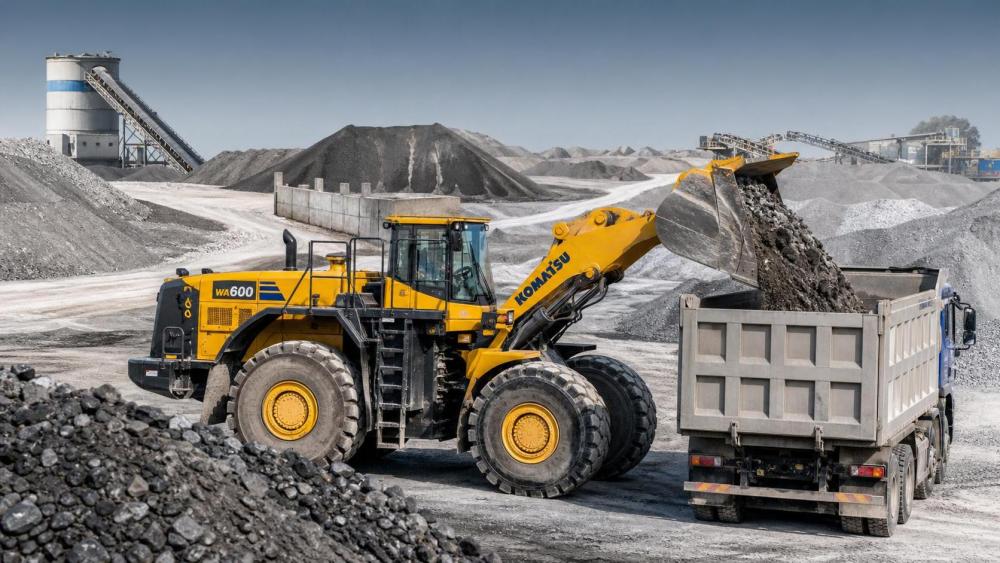
Wheel loaders move loose material quickly and repeatedly. Their value comes from loading trucks, feeding hoppers, handling stockpiles, clearing sites, and supporting production flow without unnecessary idle time.
In practice, wheel loaders are judged by how smoothly they connect one operation to the next. A loader may work in aggregates, roadbuilding, waste handling, ports, mining support, agriculture, or industrial plants.
The common thread is material movement under real site pressure. Cycle speed matters, but stability, traction, visibility, and operator confidence often decide daily output more than headline specifications.
Bucket capacity is only useful when matched to material density
Bucket capacity is one of the first numbers buyers compare, yet it can also be one of the most misunderstood. A larger bucket does not automatically mean higher productivity.
Material density changes everything. Light materials such as woodchips or compost may allow a high-volume bucket. Dense aggregates, wet sand, or blasted rock can overload the same machine quickly.
This is where rated payload, tipping load, and hydraulic lift performance matter. If the bucket is oversized for the material, the loader may lose stability, slow the cycle, and increase tire and fuel costs.
A practical buying approach is to calculate target tons per hour, then work backward through bucket fill factor, material weight, truck body size, and cycle distance. That usually gives a better answer than comparing bucket cubic meters alone.
Key bucket questions before shortlisting
- What material will be handled most often, and how much does it weigh when wet or compacted?
- Will the loader fill trucks, feed a plant, or rehandle stockpiles?
- Is a general-purpose bucket enough, or is a rock, high-dump, or light-material bucket needed?
- How many passes are acceptable for the target truck class?
Operating weight affects stability, mobility, and site compatibility
Operating weight is more than a transport figure. It strongly influences traction, structural strength, lift confidence, and how the loader behaves on uneven or slippery ground.
Heavier wheel loaders usually offer stronger stability for dense materials and tough digging. However, extra weight can become a drawback on soft ground, paved yards, suspended slabs, or sites with strict transport limits.
The right balance depends on where the machine works most of the time. A quarry face, an urban construction site, and a recycling yard place very different demands on axle loading and maneuverability.
It also affects logistics beyond the jobsite. Transport permits, trailer selection, loading ramps, bridge restrictions, and intersite movement costs can reshape the economics of the purchase.
Jobsite fit often decides whether a loader performs well
Wheel loaders with similar specifications can produce very different results on different sites. Jobsite fit is where technical data meets operating reality.
Loading distance is a good example. If the machine travels long distances inside the cycle, fuel burn, tire wear, and travel speed become more important than pure bucket size.
Visibility also matters more than many buyers expect. Tight truck loading, mixed traffic zones, and uneven pile faces demand clear sightlines, responsive steering, and predictable hydraulic control.
Attachment flexibility can further improve fit. Some wheel loaders work best when they can switch between buckets, forks, grapples, or snow tools, especially in mixed-use industrial sites.
Common site variables to check early
- Material type, moisture, and abrasiveness
- Ramp gradients and underfoot conditions
- Truck height, hopper height, and loading clearance
- Working hours, climate, and dust exposure
- Space constraints around stockpiles or plant structures
The market now rewards lifecycle value, not just purchase price
Across industrial equipment markets, buyers are under pressure to cut fuel use, manage downtime, and keep assets productive for longer. Wheel loaders sit directly inside that shift.
A lower acquisition price may look attractive, but it can be offset by weak parts support, poor resale value, difficult maintenance access, or excessive fuel consumption over thousands of hours.
This is why structured evaluation matters. Industrial Edge Global often frames equipment decisions around commercial usefulness, not specification volume alone. That perspective is especially relevant for loader fleets.
Service intervals, filter access, telematics capability, technician availability, and warranty clarity should be reviewed alongside engine power and bucket data. Lifecycle reliability is part of machine performance.
Cost areas that deserve closer review
- Fuel use per ton moved rather than fuel use per hour alone
- Tire life under actual terrain and material conditions
- Availability of ground-level service points
- Lead time for critical wear parts and hydraulic components
- Residual value after planned ownership period
How to compare wheel loaders with more confidence
A strong comparison process starts by defining the primary duty, not by collecting brochures. Once the dominant application is clear, machine fit becomes easier to test objectively.
It helps to compare wheel loaders across a short list of measurable criteria, including payload match, cycle efficiency, serviceability, attachment support, transport practicality, and supplier responsiveness.
Field demonstrations are especially useful when the loading pattern is demanding. Watching bucket fill, travel response, visibility, and truck approach behavior often reveals differences that data sheets hide.
If the machine will work across multiple regions or projects, spare parts networks and dealer coverage should carry more weight. A technically good machine can still become a weak asset if support is slow.
A practical next step for equipment selection
The best wheel loaders are not always the largest, cheapest, or most powerful. They are the ones that fit the material, the cycle, the site, and the support structure around the machine.
A useful next step is to build a simple comparison sheet around bucket capacity, operating weight, duty profile, service support, and expected cost per productive hour. That creates a more defensible shortlist.
From there, on-site trials, supplier discussions, and lifecycle checks can sharpen the decision. In a market where every capital asset must justify its place, careful selection of wheel loaders usually pays back long after delivery.
- Last One:What Are Cutting Machines Used For? Types, Materials, and Process Differences2026-06-25
- Next Article:No more articles
Related News
 What is driving consolidation in the global equipment supplier market?IEG Heavy Machinery & Automation AnalystGlobal equipment supplier market consolidation is accelerating through technology, service, and supply-chain demands. Discover how buyers can capture value while managing risk.
 When does capital equipment investment pay back in manufacturing?IEG Heavy Machinery & Automation AnalystCapital equipment investment manufacturing: learn when equipment truly pays back by evaluating full costs, cash flow, ramp-up, operational risks, and lifecycle value.
 When does a distribution center need an automated pallet handling system?Heavy Lifting Systems AnalystPallet handling systems help distribution centers overcome labor shortages, bottlenecks, safety risks, and storage constraints. Discover the key signs it’s time to automate.
 How to build a machinery investment plan around payback periodIEG Heavy Machinery & Automation AnalystMachinery investment planning manufacturing guide: build a credible payback plan with full costs, ramp-up assumptions, lifecycle risks, and scenario-based cash benefits.
 How to Specify a Modular Packaging Line for Fast Changeovers and Scalable OutputRobotics EngineerModular packaging line specification guide: achieve faster changeovers, scalable output, reliable controls, and lower lifecycle costs with practical planning.
 How industrial IoT devices reduce unplanned downtime in factoriesRobotics EngineerIndustrial IoT devices help factories detect early equipment issues, plan maintenance, and reduce costly unplanned downtime before production is disrupted.
 What is driving industrial machinery market demand in manufacturing?IEG Heavy Machinery & Automation AnalystIndustrial machinery market manufacturing demand is rising as factories pursue automation, energy efficiency, resilient supply chains, and lifecycle productivity gains.
 316L Stainless Steel Pipe Tube Technical Factors That Shape Buyer DecisionsCNC Machining AnalystA technical analysis for 316L stainless steel pipe tube buyers, covering corrosion expectations, pipe route choice, tolerance, surface, and inspection.
 How ground conditions determine crawler piling equipment selectionConstruction Equipment SpecialistCrawler piling equipment selection starts with ground conditions. Learn how soil, rock, groundwater and site constraints shape safer, more productive piling solutions.
 3300mm CNC Beam Saw Sheet Capacity: Layout Checks Before PurchaseCNC Machining AnalystZhongding ZD330 beam saw specifications: assess 3300mm sheet capacity, layout clearances, handling flow, and acceptance checks before buying.
 How Bucket Chain Diamond Dredgers Meet ISO 12100 Safety Requirements in Alluvial Mining ProjectsMining Infrastructure ExpertBucket chain diamond dredger safety made real: how ISO 12100 compliance ensures operator protection, reliability & zero lost-time injuries in alluvial mining.
 Modular Packaging for High-Mix Automotive Assembly Lines: How Standardized Load Units Reduce Line Changeover Time by 37% — Case Study from Tier-1 Supplier in GuangdongHeavy Lifting Systems AnalystModular packaging slashes automotive line changeover time by 37%—discover how standardized load units boost OEE, cut labor costs, and enable seamless high-mix assembly.