Automation Engineering Projects: How to Avoid Delays at Commissioning




Commissioning delays usually start long before startup
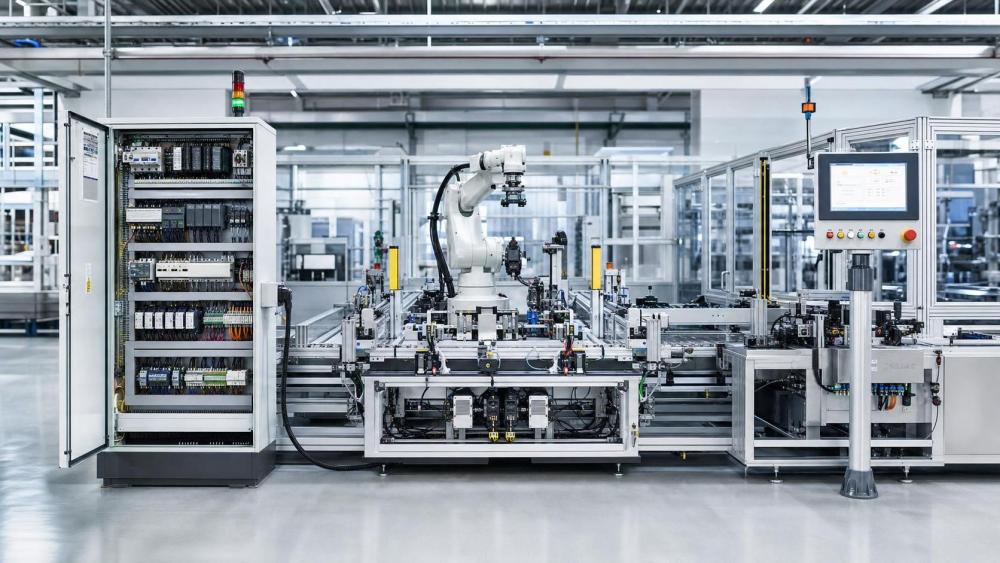
In automation engineering projects, commissioning problems rarely begin during startup week. They usually come from earlier decisions that looked acceptable in isolation.
A control cabinet may be complete, yet field devices arrive late. PLC logic may pass simulation, while the mechanical sequence still changes on site.
That is why strong automation engineering projects treat commissioning as a planned business outcome. It is not a final technical event.
Across capital equipment, process lines, robotics cells, and plant upgrades, startup risk changes with the operating context. The right schedule discipline in one project may be insufficient in another.
Industrial Edge Global often frames this issue through lifecycle value. Technical choices matter, but their value appears only when installation, integration, training, and service readiness support real production.
Different project settings create different commissioning risks
Not all automation engineering projects fail for the same reason. Discrete manufacturing, process operations, and retrofit work expose different weak points.
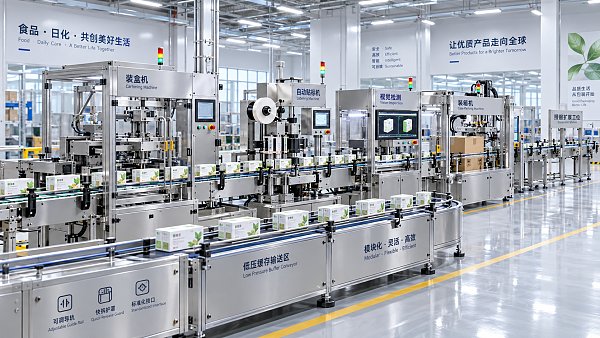
A greenfield packaging line usually struggles with supplier coordination and sequence testing. A brownfield utility upgrade often struggles with shutdown windows and legacy interfaces.
Heavy industrial sites add another layer. Environmental conditions, power quality, hydraulic systems, material flow variation, and safety interlocks can delay stable operation even after successful energization.
In practice, the useful question is not whether a design is complete. The better question is whether the design is complete for the actual startup conditions.
When a new line is built from scratch
Greenfield automation engineering projects often look safer on paper because there is no legacy equipment. Yet they depend heavily on interface discipline.
Mechanical completion, software release, network architecture, and operator access must align at the same time. If one package slips, commissioning becomes fragmented.
The most effective control point here is early interface ownership. Every device list, signal map, and sequence boundary should have a named owner and frozen review date.
When existing production cannot stop for long
Retrofit automation engineering projects are different. The challenge is rarely only programming. The real constraint is limited interruption to production.
Here, hidden dependencies matter more than theoretical design completeness. Old drives, undocumented wiring, unstable communications, and operator habits can undermine the startup plan.
This kind of project needs deeper site discovery before panel fabrication and software finalization. A short outage window leaves little room for assumptions.
When robotics and motion systems are involved
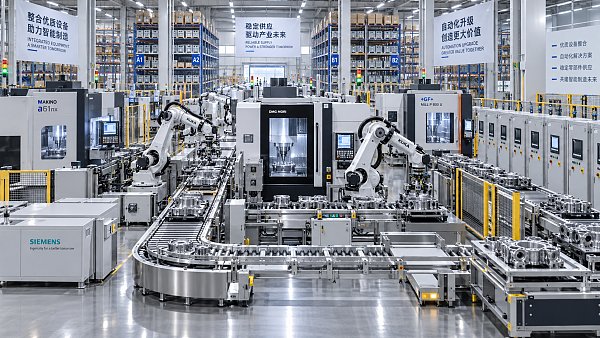
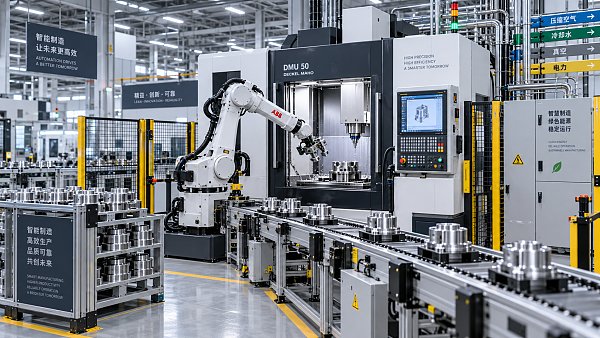
Robotics cells and synchronized motion systems compress many risks into a small footprint. Mechanical accuracy, safety zoning, cycle timing, and upstream product variation interact quickly.
In these automation engineering projects, FAT must go beyond signal checks. It should prove recipes, fault recovery, safe restart behavior, and practical access for maintenance.
A cell that runs one ideal product at FAT may still fail during commissioning if grippers, vision tolerances, or conveyor stability were tested too narrowly.
What changes from one scenario to another
The differences become clearer when commissioning readiness is compared directly. Good automation engineering projects define these differences before procurement and coding move too far.
This is where many schedules drift. Teams apply one standard workflow to very different operating conditions, then discover the mismatch at SAT.
The biggest mistakes happen before FAT and SAT
Late commissioning is often blamed on testing. More often, testing only reveals that the project was never aligned around startup conditions.
A common mistake is treating the I/O list as the main definition of readiness. In reality, automation engineering projects depend just as much on sequence agreement and exception handling.
Another mistake is approving FAT with limited operating scenarios. Normal production, jam recovery, sensor failure, low-pressure alarms, and manual mode transitions all deserve attention.
There is also a commercial blind spot. Some teams protect the purchase budget, but leave little room for training, spare instrumentation, site simulation, or post-start optimization.
IEG regularly highlights this lifecycle view across industrial equipment markets. The lowest initial project cost can produce the highest commissioning cost when recovery time is poor.
Warning signs that usually predict delay
- Control narratives remain generic while mechanical details keep changing.
- FAT witness plans focus on pass marks, not operating behavior.
- Field devices, network components, and software versions are tracked separately.
- Site acceptance is scheduled before utilities, materials, or trained operators are truly available.
- Safety validation is left until production pressure is already high.
How stronger automation engineering projects stay on schedule
The most reliable automation engineering projects build commissioning readiness in layers. They do not wait for one big test event to expose unresolved issues.
One useful approach is to separate readiness into design, build, integration, operations, and recovery. Each layer should have clear evidence, not only status meetings.
That evidence can be practical and concise:
- Design: frozen sequence logic, approved cause-and-effect matrix, and defined interface limits.
- Build: verified panel layouts, tagged devices, backed-up software, and matched BOM revisions.
- Integration: simulated data exchange, fail-state testing, and version-controlled PLC and HMI releases.
- Operations: startup materials, operator permissions, training records, and escalation contacts.
- Recovery: spare critical parts, rollback steps, manual bypass logic, and alarm response guidance.
This layered method works across factory automation, process equipment, and material handling systems because it links technical completion to actual operating capability.
Adapt the plan to site conditions, not only to specifications
Specifications are necessary, but commissioning success depends on the site. Temperature, dust, vibration, unstable loads, power variation, and access limits all affect startup behavior.
That matters even more in sectors linked to heavy machinery, process plants, mining systems, and high-duty production equipment. The automation layer must absorb real operating variability.
In practical terms, good automation engineering projects ask several site-based questions before final release:
- Can sensors and wiring survive the installation environment for the expected service life?
- Will the chosen network and controller architecture tolerate local disturbances?
- Does maintenance access support quick fault isolation during the first production weeks?
- Are spare parts and local technical support aligned with the commissioning timeline?
Those questions reflect the broader industrial intelligence approach that IEG brings to equipment decisions. Technical fit and lifecycle fit are not the same thing.
What to do next before commissioning pressure builds
If startup delays have become routine, the remedy is rarely one more checklist at the end. The better move is to redefine readiness earlier.
Review automation engineering projects by scenario, not by document package alone. Compare greenfield, retrofit, robotics, and process work against their actual interruption, recovery, and support constraints.
Then confirm the items that usually decide commissioning speed: frozen sequences, tested exception logic, site utilities, training depth, spare strategy, and rollback feasibility.
Where gaps appear, quantify them in time and operating risk rather than abstract status language. That makes tradeoffs clearer and keeps automation engineering projects tied to business performance.
A disciplined review of conditions, interfaces, and lifecycle support will do more to protect startup than any last-minute debugging effort.
Related News
 What is driving consolidation in the global equipment supplier market?IEG Heavy Machinery & Automation AnalystGlobal equipment supplier market consolidation is accelerating through technology, service, and supply-chain demands. Discover how buyers can capture value while managing risk.
 When does capital equipment investment pay back in manufacturing?IEG Heavy Machinery & Automation AnalystCapital equipment investment manufacturing: learn when equipment truly pays back by evaluating full costs, cash flow, ramp-up, operational risks, and lifecycle value.
 When does a distribution center need an automated pallet handling system?Heavy Lifting Systems AnalystPallet handling systems help distribution centers overcome labor shortages, bottlenecks, safety risks, and storage constraints. Discover the key signs it’s time to automate.
 How to build a machinery investment plan around payback periodIEG Heavy Machinery & Automation AnalystMachinery investment planning manufacturing guide: build a credible payback plan with full costs, ramp-up assumptions, lifecycle risks, and scenario-based cash benefits.
 How to Specify a Modular Packaging Line for Fast Changeovers and Scalable OutputRobotics EngineerModular packaging line specification guide: achieve faster changeovers, scalable output, reliable controls, and lower lifecycle costs with practical planning.
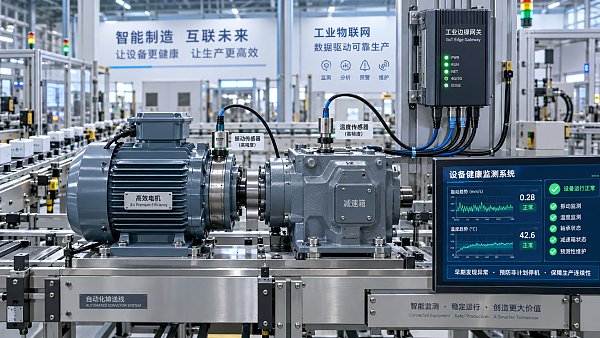
 How industrial IoT devices reduce unplanned downtime in factoriesRobotics EngineerIndustrial IoT devices help factories detect early equipment issues, plan maintenance, and reduce costly unplanned downtime before production is disrupted.
 What is driving industrial machinery market demand in manufacturing?IEG Heavy Machinery & Automation AnalystIndustrial machinery market manufacturing demand is rising as factories pursue automation, energy efficiency, resilient supply chains, and lifecycle productivity gains.
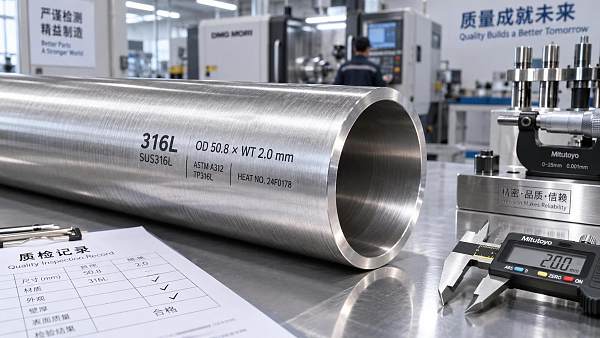
 316L Stainless Steel Pipe Tube Technical Factors That Shape Buyer DecisionsCNC Machining AnalystA technical analysis for 316L stainless steel pipe tube buyers, covering corrosion expectations, pipe route choice, tolerance, surface, and inspection.
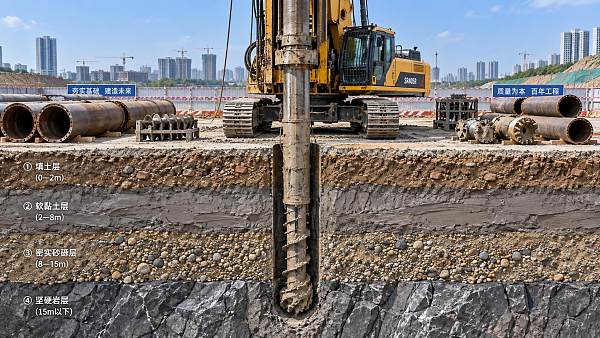
 How ground conditions determine crawler piling equipment selectionConstruction Equipment SpecialistCrawler piling equipment selection starts with ground conditions. Learn how soil, rock, groundwater and site constraints shape safer, more productive piling solutions.
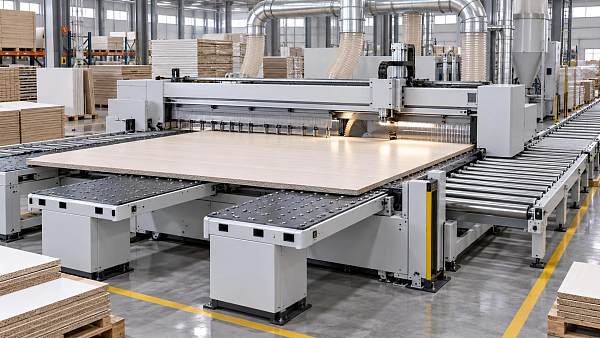
 3300mm CNC Beam Saw Sheet Capacity: Layout Checks Before PurchaseCNC Machining AnalystZhongding ZD330 beam saw specifications: assess 3300mm sheet capacity, layout clearances, handling flow, and acceptance checks before buying.
 How Bucket Chain Diamond Dredgers Meet ISO 12100 Safety Requirements in Alluvial Mining ProjectsMining Infrastructure ExpertBucket chain diamond dredger safety made real: how ISO 12100 compliance ensures operator protection, reliability & zero lost-time injuries in alluvial mining.
 Modular Packaging for High-Mix Automotive Assembly Lines: How Standardized Load Units Reduce Line Changeover Time by 37% — Case Study from Tier-1 Supplier in GuangdongHeavy Lifting Systems AnalystModular packaging slashes automotive line changeover time by 37%—discover how standardized load units boost OEE, cut labor costs, and enable seamless high-mix assembly.