Choosing an Industrial Communication Systems Supplier for Reliable Integration




Choosing an industrial communication systems supplier is rarely a narrow component decision. It shapes how machines, controllers, sensors, drives, and software exchange data across the full operating life of a project.
In plants, processing lines, heavy equipment fleets, and infrastructure assets, reliable integration depends on more than protocol support. It also depends on engineering discipline, lifecycle service, and the supplier’s ability to work inside complex industrial conditions.
That is why the right industrial communication systems supplier matters to system performance, downtime risk, expansion planning, and long-term investment value. In practical terms, supplier choice affects whether data remains usable when operations grow, equipment ages, or project scope changes.
Why supplier selection now carries more weight
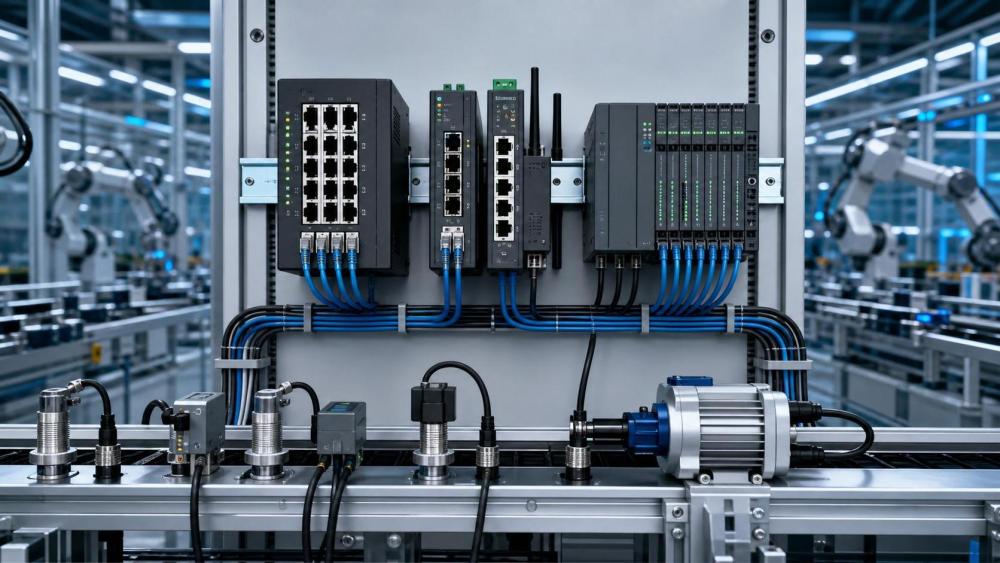
Industrial systems have become more connected, but also more fragmented. A single site may combine legacy PLCs, modern robots, machine vision, SCADA platforms, energy monitoring tools, and cloud-based analytics.
Under these conditions, communication infrastructure is no longer a background detail. It becomes part of production continuity, traceability, maintenance planning, and cybersecurity control.
This matters across sectors covered by Industrial Edge Global, from mining and construction machinery to metalworking, material handling, factory automation, and process equipment.
Each of these environments depends on stable information exchange. Without it, alarms arrive late, diagnostics become incomplete, and production data loses value for decision-making.
The result is that an industrial communication systems supplier is now evaluated not only on hardware availability, but on integration reliability, network architecture support, and long-term compatibility.
What reliable integration actually means
Reliable integration does not simply mean devices can connect once during commissioning. It means the system continues to perform when load conditions shift, operators change, and additional equipment is introduced.
A capable industrial communication systems supplier should support this continuity at several levels. Physical network stability is one level. Protocol interoperability is another. Diagnostic visibility and maintenance response are equally important.
In real projects, integration often includes combinations of Ethernet/IP, PROFINET, Modbus TCP, OPC UA, serial gateways, remote I/O, wireless links, and edge devices.
The challenge is not only making these elements talk. The challenge is making them exchange accurate, time-relevant, and recoverable data under production pressure.
That is where supplier capability becomes visible. Strong suppliers understand timing, redundancy, environmental protection, network segmentation, and practical troubleshooting.
Key criteria that separate a dependable supplier
When comparing options, the most useful approach is to assess the supplier as an integration partner rather than only a product source.
Technical depth and protocol coverage
Protocol breadth matters, but depth matters more. A supplier should show proven experience with mixed-vendor environments, not only ideal single-brand architectures.
It is worth checking whether the industrial communication systems supplier supports gateway design, migration from legacy systems, and data exchange with MES or ERP layers.
Environmental and operational fit
Industrial communication products may face dust, vibration, washdown, heat, electrical noise, and unstable power. A supplier should specify operating limits clearly and align products with actual site conditions.
This is especially relevant in heavy machinery, mining, outdoor handling systems, and process facilities where field conditions can quickly expose weak designs.
Service structure after commissioning
Projects rarely end at startup. Firmware updates, spare units, troubleshooting support, and response time during faults can carry more value than a lower initial quote.
A dependable industrial communication systems supplier should define support channels, lead times, technical escalation paths, and documentation quality before purchase.
Scalability without redesign
Many projects begin with one line, one station, or one remote asset group. Later, the same architecture must support more devices, more traffic, and broader visibility.
The better supplier prepares for that growth early, reducing the need for expensive network restructuring later.
Where supplier choice affects business outcomes
The value of an industrial communication systems supplier becomes easier to see when linked to common industrial operating goals.
This lifecycle view fits the broader industrial investment logic that IEG follows across capital equipment markets. The communication layer should be judged as a productive asset, not just an accessory.
Typical scenarios across industrial sectors
The same supplier will not be equally suitable for every environment. Project context changes the technical priorities.
Factory automation and smart manufacturing
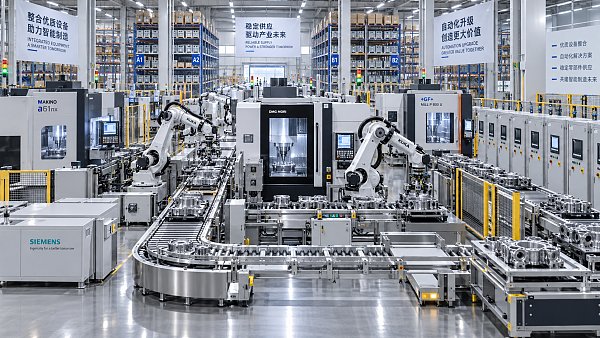
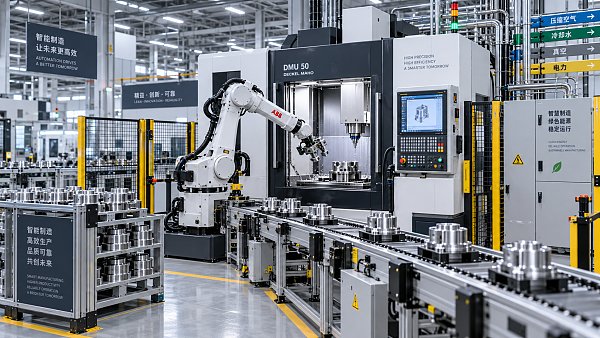
In automated lines, communication quality influences cycle consistency, machine coordination, traceability, and defect response. Latency, synchronization, and software integration usually receive the most attention.
Heavy machinery and mobile equipment
For cranes, loaders, drilling units, or road machinery, the supplier must handle vibration, field service access, and remote monitoring limits. Ruggedization becomes as important as protocol support.
Process industries and utilities
In process plants, downtime can affect safety, product quality, and energy efficiency. Communication infrastructure must support continuous operation and dependable alarm transfer.
Distributed material handling and logistics
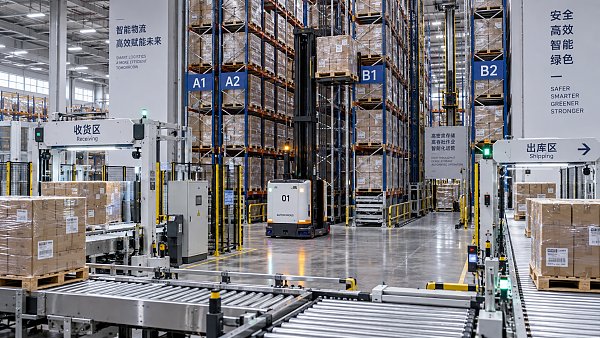
Conveyors, sortation assets, and warehouse interfaces often require smooth multi-device coordination. Here, integration quality affects throughput, bottleneck visibility, and maintenance planning.
Questions worth asking before selection
A structured review can reveal more than marketing claims. These questions usually produce clearer comparisons:
- Which protocols are supported in live mixed-vendor installations?
- What reference projects match similar duty cycles or environments?
- How are diagnostics exposed to operators and maintenance software?
- What is the expected spare parts horizon for key components?
- How are firmware updates validated and communicated?
- Can the industrial communication systems supplier support phased expansion?
- What local or regional service capability is available after handover?
These points help turn a general sourcing discussion into a practical risk review.
Using market intelligence to improve the decision
Supplier selection also benefits from wider market context. A technical fit is important, but so are regional support presence, industry adoption patterns, and long-term supply continuity.
That is where structured industrial information becomes useful. IEG’s approach of linking technical features with application realities helps compare suppliers beyond brochure claims.
For example, a communication platform may look similar on paper across vendors. The real difference may appear in maintenance access, installed base maturity, or suitability for capital equipment with long service lives.
In other words, the best industrial communication systems supplier is often the one that reduces uncertainty over the full asset lifecycle, not the one with the longest feature list.
A practical next step
Before moving to final comparison, it helps to map the project around four things: existing equipment, required protocols, operating environment, and future expansion goals.
That simple structure makes supplier discussions more precise. It also exposes whether a proposed solution is built for integration reliability or only for initial installation.
From there, shortlist each industrial communication systems supplier against lifecycle support, proven compatibility, service response, and upgrade path. The decision becomes clearer when judged as an operating system choice rather than a single purchase item.
For projects tied to automation upgrades, heavy equipment connectivity, or production system modernization, that level of discipline usually prevents expensive corrections later.
Related News
 What is driving consolidation in the global equipment supplier market?IEG Heavy Machinery & Automation AnalystGlobal equipment supplier market consolidation is accelerating through technology, service, and supply-chain demands. Discover how buyers can capture value while managing risk.
 When does capital equipment investment pay back in manufacturing?IEG Heavy Machinery & Automation AnalystCapital equipment investment manufacturing: learn when equipment truly pays back by evaluating full costs, cash flow, ramp-up, operational risks, and lifecycle value.
 When does a distribution center need an automated pallet handling system?Heavy Lifting Systems AnalystPallet handling systems help distribution centers overcome labor shortages, bottlenecks, safety risks, and storage constraints. Discover the key signs it’s time to automate.
 How to build a machinery investment plan around payback periodIEG Heavy Machinery & Automation AnalystMachinery investment planning manufacturing guide: build a credible payback plan with full costs, ramp-up assumptions, lifecycle risks, and scenario-based cash benefits.
 How to Specify a Modular Packaging Line for Fast Changeovers and Scalable OutputRobotics EngineerModular packaging line specification guide: achieve faster changeovers, scalable output, reliable controls, and lower lifecycle costs with practical planning.
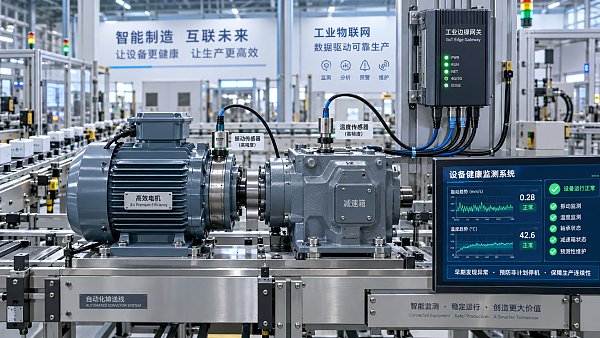
 How industrial IoT devices reduce unplanned downtime in factoriesRobotics EngineerIndustrial IoT devices help factories detect early equipment issues, plan maintenance, and reduce costly unplanned downtime before production is disrupted.
 What is driving industrial machinery market demand in manufacturing?IEG Heavy Machinery & Automation AnalystIndustrial machinery market manufacturing demand is rising as factories pursue automation, energy efficiency, resilient supply chains, and lifecycle productivity gains.
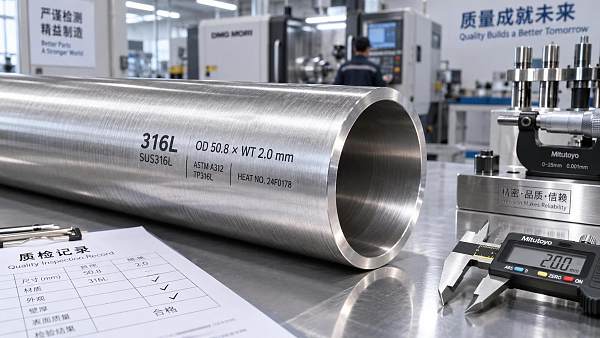
 316L Stainless Steel Pipe Tube Technical Factors That Shape Buyer DecisionsCNC Machining AnalystA technical analysis for 316L stainless steel pipe tube buyers, covering corrosion expectations, pipe route choice, tolerance, surface, and inspection.
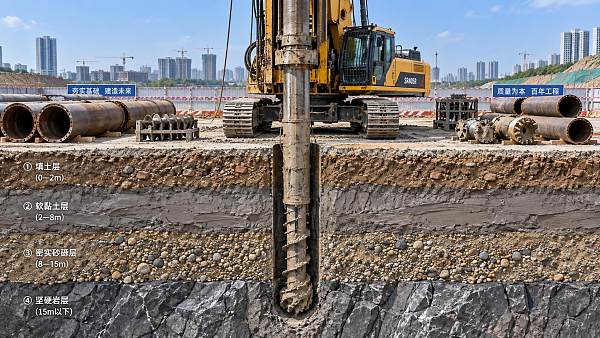
 How ground conditions determine crawler piling equipment selectionConstruction Equipment SpecialistCrawler piling equipment selection starts with ground conditions. Learn how soil, rock, groundwater and site constraints shape safer, more productive piling solutions.
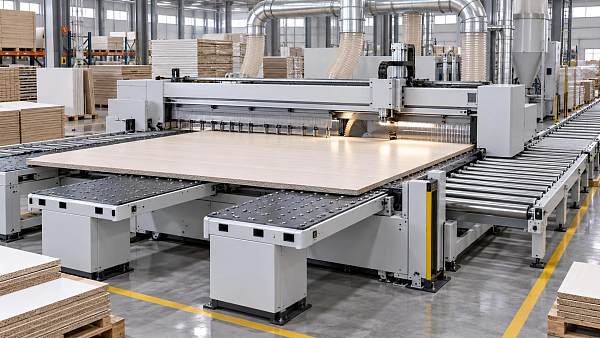
 3300mm CNC Beam Saw Sheet Capacity: Layout Checks Before PurchaseCNC Machining AnalystZhongding ZD330 beam saw specifications: assess 3300mm sheet capacity, layout clearances, handling flow, and acceptance checks before buying.
 How Bucket Chain Diamond Dredgers Meet ISO 12100 Safety Requirements in Alluvial Mining ProjectsMining Infrastructure ExpertBucket chain diamond dredger safety made real: how ISO 12100 compliance ensures operator protection, reliability & zero lost-time injuries in alluvial mining.
 Modular Packaging for High-Mix Automotive Assembly Lines: How Standardized Load Units Reduce Line Changeover Time by 37% — Case Study from Tier-1 Supplier in GuangdongHeavy Lifting Systems AnalystModular packaging slashes automotive line changeover time by 37%—discover how standardized load units boost OEE, cut labor costs, and enable seamless high-mix assembly.