Condition Monitoring Systems in Germany: Key Standards and Fit




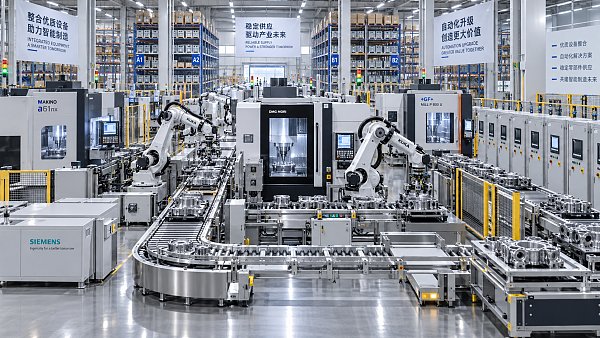
Condition monitoring systems Germany plants rely on are no longer simple add-ons for maintenance teams. They sit close to production continuity, energy control, safety expectations, and asset investment decisions across automation, process equipment, heavy machinery, and factory infrastructure.
That matters because a monitoring platform in Germany must fit more than sensor performance. It has to align with local standards, plant architecture, data handling rules, maintenance practice, and the economics of long-life industrial assets.
Why the German market puts more weight on fit
In Germany, industrial operations often run with high equipment utilization and low tolerance for unplanned stoppage. A failed gearbox, pump, spindle, fan, compressor, or conveyor drive can affect output, traceability, delivery schedules, and service commitments.
This is why condition monitoring systems Germany buyers compare are judged by operational fit, not by dashboard design alone. A technically impressive system can still underperform if it does not connect cleanly with existing PLCs, SCADA layers, CMMS workflows, or plant maintenance routines.
Another factor is lifecycle discipline. German factories and infrastructure operators often evaluate machinery as long-term productive assets. Monitoring tools therefore need to support reliability planning, spare parts timing, maintenance windows, and evidence-based replacement decisions.
For a platform such as Industrial Edge Global, this topic sits naturally within broader equipment intelligence. Monitoring is not an isolated software category. It connects directly with machine uptime, service life, energy use, investment risk, and automation compatibility.
What a condition monitoring system actually covers
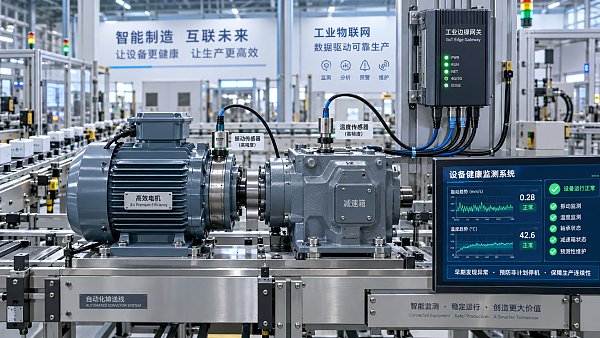
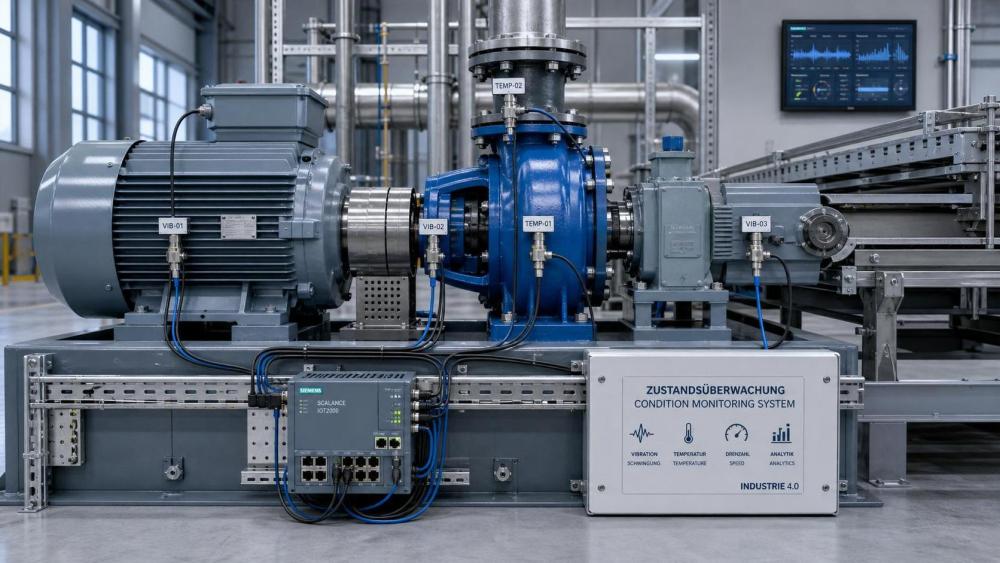
At a practical level, condition monitoring systems Germany facilities deploy gather signals that indicate equipment health before functional failure appears. The most common inputs include vibration, temperature, pressure, current, oil condition, ultrasonic signals, and operating trends.
The goal is not data collection for its own sake. The goal is to detect abnormal behavior early enough to reduce downtime, avoid secondary damage, and plan maintenance with less disruption.
Some systems are route-based and depend on handheld measurement. Others are permanently installed and stream data continuously. More advanced platforms combine edge devices, analytics, alarm logic, historian functions, and links to enterprise maintenance systems.
In industrial reality, the right choice depends on failure criticality, machine population, operating environment, and the cost of missing an early warning. A packaging line motor does not always justify the same architecture as a turbine, kiln drive, robotic cell, or high-value CNC spindle.
Standards and compliance points that shape selection
The phrase key standards is important because condition monitoring systems Germany projects must be assessed inside a compliance framework. That usually includes machinery safety, electrical installation practice, electromagnetic compatibility, data security, and sector-specific operating requirements.
For vibration assessment, teams often look at internationally recognized references such as ISO 10816 and ISO 20816, depending on machine class and evaluation method. These standards do not replace engineering judgment, but they help structure alarm thresholds and acceptance criteria.
Where functional safety interacts with machine shutdown logic, IEC and DIN-based interpretations become relevant. In networked environments, IEC 62443 is increasingly part of the discussion, especially when monitoring devices connect to production networks or remote service channels.
CE-related considerations also matter when sensors, enclosures, gateways, or complete systems are delivered as integrated hardware packages. In hazardous or harsh environments, enclosure rating, cabling practice, and site certification can become decisive.
A useful evaluation approach is to separate three layers: machine condition standards, plant integration requirements, and information security obligations. Many procurement mistakes happen when only the first layer receives attention.
A concise way to frame compliance
Where condition monitoring systems Germany deliver real value
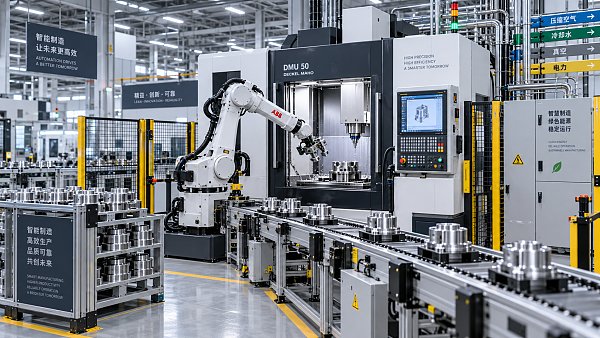
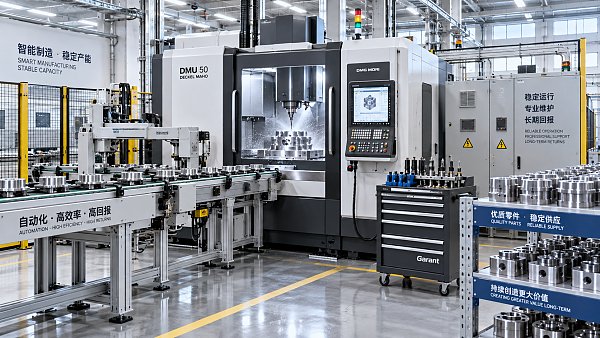
The strongest value usually appears on assets where failure cost is high and degradation can be detected early. That includes rotating equipment, power transmission assemblies, hydraulic units, robotic axes, machine tool spindles, process pumps, fans, and material handling drives.
In manufacturing plants, the benefit often shows up as fewer emergency interventions and better maintenance scheduling. In process industries, the priority may be preventing quality drift or avoiding safety-related shutdowns. In heavy equipment fleets, remote visibility can support service planning across dispersed locations.
There is also a less visible benefit. Good monitoring improves asset understanding over time. It helps reveal whether chronic problems come from lubrication practice, alignment, load changes, control behavior, installation weakness, or unsuitable operating patterns.
That insight is commercially useful. It supports better sourcing decisions, clearer service contracts, stronger warranty discussions, and more realistic total cost of ownership calculations.
Typical fit questions across industrial settings
Condition monitoring systems Germany assessments rarely fail because vibration sensing is impossible. They fail because the selected architecture does not match the operating context. The fit questions below are often more revealing than feature lists.
- Is the asset critical enough for continuous monitoring, or is periodic inspection sufficient?
- Can the system work with existing Siemens, Beckhoff, Schneider, ABB, or mixed automation environments?
- Will alarms trigger maintenance action, or simply create another unattended screen?
- Is local edge processing needed because of latency, bandwidth, or data residency concerns?
- Can the platform distinguish between process variation and mechanical deterioration?
- Are spare sensors, calibration routines, and technician skills available for long-term support?
These questions are relevant across sectors covered by IEG, from machine tools and conveyors to construction machinery, energy systems, and automated production cells.
Integration is often the real selection test
In many projects, the sensor layer is only the beginning. The real test is whether data moves into the plant in a useful form. Condition monitoring systems Germany operators prefer are usually those that fit the existing digital stack without extensive custom engineering.
That means checking OPC UA, Modbus, Profinet, MQTT, or vendor-specific interfaces early. It also means understanding how alarms are prioritized, who owns baseline configuration, and how recommendations are validated before maintenance work starts.
A common weakness appears when suppliers promise predictive maintenance while providing little context for asset models, training data, or false positive management. Predictive functions are useful, but they need operational grounding. Without that, confidence drops quickly and the platform becomes underused.
What stronger integration usually looks like
A stronger deployment links condition indicators to work orders, spare parts planning, root-cause records, and maintenance history. Instead of isolated warning signals, the plant gains a more complete picture of asset behavior and intervention timing.
This is where technical intelligence platforms add value. They help compare equipment categories, automation compatibility, service implications, and lifecycle tradeoffs rather than treating monitoring as a standalone purchase.
How to judge lifecycle value before commitment
A low entry price can be misleading. Condition monitoring systems Germany projects should be tested against total lifecycle cost, including installation effort, sensor durability, software licensing, support, calibration, cybersecurity maintenance, and internal labor for alarm response.
It is also worth comparing the value of avoided downtime against the burden of system complexity. On some assets, a focused monitoring package with clear thresholds may outperform a broader platform that requires heavy tuning.
A disciplined review usually includes these points:
- Critical failure modes and whether the system can detect them early enough.
- Expected alarm quality during normal load changes and production transitions.
- Installation constraints around access, cabling, contamination, heat, and vibration exposure.
- Support model for analytics updates, troubleshooting, and field replacement.
- Scalability from pilot assets to multi-site deployment.
Seen this way, condition monitoring systems Germany teams shortlist are not just monitoring tools. They are part of the plant’s asset strategy and digital operating model.
A practical next step for evaluation
The most reliable starting point is a structured asset review. Rank machines by failure impact, detectability, repair lead time, and integration complexity. Then match each group with the simplest monitoring method that still supports timely decisions.
From there, compare condition monitoring systems Germany suppliers on standards alignment, interoperability, service depth, and lifecycle economics. A pilot should be narrow enough to measure results, but broad enough to test alarms, workflow response, and data quality under real operating conditions.
That approach creates a better basis for larger investment decisions. It also turns condition monitoring from a technology purchase into a practical reliability tool linked to production performance, maintenance discipline, and long-term asset value.
Related News
 What is driving consolidation in the global equipment supplier market?IEG Heavy Machinery & Automation AnalystGlobal equipment supplier market consolidation is accelerating through technology, service, and supply-chain demands. Discover how buyers can capture value while managing risk.
 When does capital equipment investment pay back in manufacturing?IEG Heavy Machinery & Automation AnalystCapital equipment investment manufacturing: learn when equipment truly pays back by evaluating full costs, cash flow, ramp-up, operational risks, and lifecycle value.
 When does a distribution center need an automated pallet handling system?Heavy Lifting Systems AnalystPallet handling systems help distribution centers overcome labor shortages, bottlenecks, safety risks, and storage constraints. Discover the key signs it’s time to automate.
 How to build a machinery investment plan around payback periodIEG Heavy Machinery & Automation AnalystMachinery investment planning manufacturing guide: build a credible payback plan with full costs, ramp-up assumptions, lifecycle risks, and scenario-based cash benefits.
 How to Specify a Modular Packaging Line for Fast Changeovers and Scalable OutputRobotics EngineerModular packaging line specification guide: achieve faster changeovers, scalable output, reliable controls, and lower lifecycle costs with practical planning.
 How industrial IoT devices reduce unplanned downtime in factoriesRobotics EngineerIndustrial IoT devices help factories detect early equipment issues, plan maintenance, and reduce costly unplanned downtime before production is disrupted.
 What is driving industrial machinery market demand in manufacturing?IEG Heavy Machinery & Automation AnalystIndustrial machinery market manufacturing demand is rising as factories pursue automation, energy efficiency, resilient supply chains, and lifecycle productivity gains.
 316L Stainless Steel Pipe Tube Technical Factors That Shape Buyer DecisionsCNC Machining AnalystA technical analysis for 316L stainless steel pipe tube buyers, covering corrosion expectations, pipe route choice, tolerance, surface, and inspection.
 How ground conditions determine crawler piling equipment selectionConstruction Equipment SpecialistCrawler piling equipment selection starts with ground conditions. Learn how soil, rock, groundwater and site constraints shape safer, more productive piling solutions.
 3300mm CNC Beam Saw Sheet Capacity: Layout Checks Before PurchaseCNC Machining AnalystZhongding ZD330 beam saw specifications: assess 3300mm sheet capacity, layout clearances, handling flow, and acceptance checks before buying.
 How Bucket Chain Diamond Dredgers Meet ISO 12100 Safety Requirements in Alluvial Mining ProjectsMining Infrastructure ExpertBucket chain diamond dredger safety made real: how ISO 12100 compliance ensures operator protection, reliability & zero lost-time injuries in alluvial mining.
 Modular Packaging for High-Mix Automotive Assembly Lines: How Standardized Load Units Reduce Line Changeover Time by 37% — Case Study from Tier-1 Supplier in GuangdongHeavy Lifting Systems AnalystModular packaging slashes automotive line changeover time by 37%—discover how standardized load units boost OEE, cut labor costs, and enable seamless high-mix assembly.