Machine Vision Inspection in Packaging: Common Failure Points




Why do machine vision inspection packaging systems still miss obvious defects?

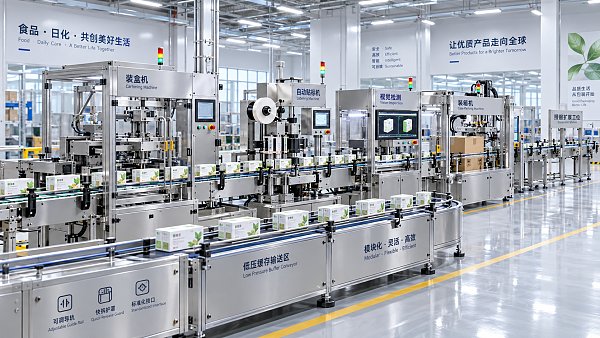
On a packaging line, inspection cameras are often treated as the final safety net. That assumption is risky.
A machine vision inspection packaging setup can fail even when the camera, lens, and software are technically correct.
The weak points usually sit around the system, not inside it. Lighting drifts, products wobble, labels wrinkle, and operators change speeds.
In practice, missed defects often come from unstable conditions rather than poor algorithm design alone.
This matters in food, beverage, pharma, personal care, chemicals, and industrial consumables, where packaging accuracy affects compliance and traceability.
Industrial Edge Global often frames automation investments through lifecycle value. Machine vision follows the same logic.
The true question is not whether inspection exists. It is whether the line can hold repeatable inspection conditions every shift.
That is why machine vision inspection packaging projects should be reviewed as part of the whole production system, not as a standalone camera purchase.
Which failure points cause the most trouble on real packaging lines?
Searches often focus on camera resolution, but the more common failures are simpler and more expensive over time.
A useful way to judge machine vision inspection packaging performance is to inspect the line for variation sources first.
The table shows why machine vision inspection packaging is usually a control problem before it becomes a software problem.
If the package does not arrive in a repeatable state, even a good model will behave inconsistently.
Is lighting really that critical, or is that overstated?
It is not overstated. Lighting is often the single biggest reason a machine vision inspection packaging system becomes unreliable after startup.
A line may pass factory acceptance tests under stable conditions, then struggle once ambient light, washdown, dust, and reflective materials enter daily operation.
Flexible films, glossy cartons, curved bottles, and foil seals are especially difficult because they amplify reflection changes.
More light is not always better. Controlled light is better.
Backlighting may help with cap presence or fill level silhouette checks. Diffuse dome lighting often helps when glare hides print or seal defects.
In actual line audits, common warning signs include temporary shading screens, operator-added tape, or frequent manual threshold changes.
Those are signs the original machine vision inspection packaging setup was not robust enough for real production variation.
- Use enclosed inspection zones where possible.
- Track lamp aging as a maintenance item, not an afterthought.
- Match lighting geometry to the defect type, not just the package size.
- Revalidate images after film, label, or ink changes.
When false rejects keep rising, what should be checked before changing the camera?
This is where many teams lose time. They replace hardware before checking line mechanics, recipes, and contamination.
False rejects in machine vision inspection packaging usually increase gradually, not suddenly.
That pattern often points to drift. The drift may be optical, mechanical, environmental, or procedural.
A practical review sequence
- Compare current reject images with validated startup images.
- Check whether product orientation has shifted during upstream adjustments.
- Inspect lens covers, lights, and sensor windows for residue.
- Review recipe edits made during recent changeovers.
- Confirm trigger timing after any conveyor speed increase.
- Measure reject trends by SKU, shift, and operator intervention.
If the rejects cluster around one SKU, the issue may be print contrast or package variation.
If they rise across all SKUs, the problem is more likely lighting drift, vibration, or contamination.
This structured review fits the way IEG evaluates industrial automation assets: performance must stay stable beyond commissioning.
How do changeovers and mixed packaging formats affect inspection reliability?
They affect it more than many line designs assume.
A machine vision inspection packaging system may perform well on one bottle, pouch, or carton format and struggle on the next.
The reason is simple. Packaging is not only changing size. It may also change reflectivity, print position, closure geometry, or barcode placement.
In mixed-format lines, the weak point is often recipe governance rather than optical capability.
A saved recipe is useful only if the line can return the product to the same physical position every time.
For machine vision inspection packaging, flexibility is not only about software recipes. It is about mechanical repeatability plus disciplined validation.
What should be included in a realistic prevention plan?
The best prevention plans are operational, not theoretical.
Instead of asking whether the system can detect defects, ask whether the process keeps the detection conditions stable.
A solid machine vision inspection packaging plan usually includes four layers.
1. Mechanical stability
Keep spacing, orientation, and transport vibration within known limits.
2. Optical discipline
Treat lighting, lens cleanliness, and enclosure condition as controlled assets with inspection records.
3. Recipe and change control
Limit edits, store approved image sets, and require verification after packaging material changes.
4. Data review
Trend false rejects, misses, and manual overrides. Small changes often appear in data before they become field failures.
This is also where investment thinking becomes useful. A low-cost setup with high drift can become expensive through downtime, waste, and complaint exposure.
A more robust machine vision inspection packaging design may cost more upfront but reduce long-term operational risk.
So, what is the smartest next step when inspection performance feels unstable?
Start with evidence, not assumptions.
Capture defect images, reject trends, line speed data, recent maintenance activity, and any packaging material changes.
Then review the full path: product handling, lighting, optics, triggers, software recipes, and changeover control.
The most reliable machine vision inspection packaging systems are built around repeatability, not only sensitivity.
That is the practical takeaway for packaging lines across broader industrial production.
When the common failure points are mapped early, defect detection becomes more consistent, false rejects drop, and safety exposure becomes easier to control.
The next move is straightforward: define the main defect risks, verify the stability of inspection conditions, and set acceptance rules that survive real production variation.
Related News
 What is driving consolidation in the global equipment supplier market?IEG Heavy Machinery & Automation AnalystGlobal equipment supplier market consolidation is accelerating through technology, service, and supply-chain demands. Discover how buyers can capture value while managing risk.
 When does capital equipment investment pay back in manufacturing?IEG Heavy Machinery & Automation AnalystCapital equipment investment manufacturing: learn when equipment truly pays back by evaluating full costs, cash flow, ramp-up, operational risks, and lifecycle value.
 When does a distribution center need an automated pallet handling system?Heavy Lifting Systems AnalystPallet handling systems help distribution centers overcome labor shortages, bottlenecks, safety risks, and storage constraints. Discover the key signs it’s time to automate.
 How to build a machinery investment plan around payback periodIEG Heavy Machinery & Automation AnalystMachinery investment planning manufacturing guide: build a credible payback plan with full costs, ramp-up assumptions, lifecycle risks, and scenario-based cash benefits.
 How to Specify a Modular Packaging Line for Fast Changeovers and Scalable OutputRobotics EngineerModular packaging line specification guide: achieve faster changeovers, scalable output, reliable controls, and lower lifecycle costs with practical planning.
 How industrial IoT devices reduce unplanned downtime in factoriesRobotics EngineerIndustrial IoT devices help factories detect early equipment issues, plan maintenance, and reduce costly unplanned downtime before production is disrupted.
 What is driving industrial machinery market demand in manufacturing?IEG Heavy Machinery & Automation AnalystIndustrial machinery market manufacturing demand is rising as factories pursue automation, energy efficiency, resilient supply chains, and lifecycle productivity gains.
 316L Stainless Steel Pipe Tube Technical Factors That Shape Buyer DecisionsCNC Machining AnalystA technical analysis for 316L stainless steel pipe tube buyers, covering corrosion expectations, pipe route choice, tolerance, surface, and inspection.
 How ground conditions determine crawler piling equipment selectionConstruction Equipment SpecialistCrawler piling equipment selection starts with ground conditions. Learn how soil, rock, groundwater and site constraints shape safer, more productive piling solutions.
 3300mm CNC Beam Saw Sheet Capacity: Layout Checks Before PurchaseCNC Machining AnalystZhongding ZD330 beam saw specifications: assess 3300mm sheet capacity, layout clearances, handling flow, and acceptance checks before buying.
 How Bucket Chain Diamond Dredgers Meet ISO 12100 Safety Requirements in Alluvial Mining ProjectsMining Infrastructure ExpertBucket chain diamond dredger safety made real: how ISO 12100 compliance ensures operator protection, reliability & zero lost-time injuries in alluvial mining.
 Modular Packaging for High-Mix Automotive Assembly Lines: How Standardized Load Units Reduce Line Changeover Time by 37% — Case Study from Tier-1 Supplier in GuangdongHeavy Lifting Systems AnalystModular packaging slashes automotive line changeover time by 37%—discover how standardized load units boost OEE, cut labor costs, and enable seamless high-mix assembly.