How Packaging Systems Improve Beverage Line Efficiency




Why Packaging Systems Shape Beverage Line Performance
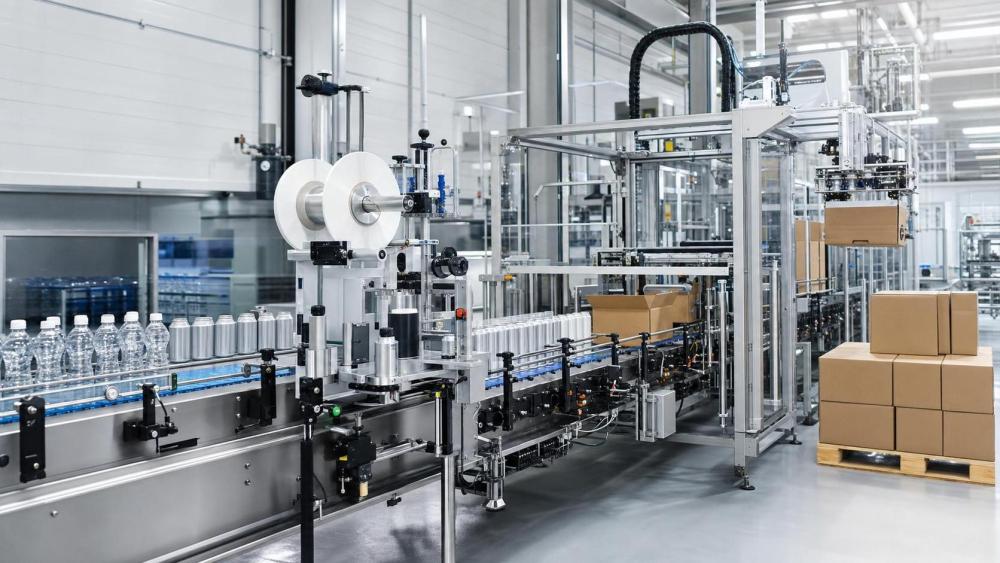
In beverage production, packaging systems affect far more than the final appearance of a bottle or can.
They influence line balance, changeover speed, operator workload, material loss, and the stability of upstream filling operations.
That is why packaging systems beverage industry decisions are usually tied to wider factory performance targets.
A line can have a fast filler and still underperform if accumulation, labeling, case packing, or palletizing are poorly matched.
In practical terms, beverage plants do not all ask the same question.
Some need more throughput from an existing footprint.
Others need better flexibility for changing SKUs, seasonal formats, or export packaging rules.
This is where Industrial Edge Global often frames packaging machinery as part of a broader production system.
The useful comparison is not only machine speed.
It is the relationship between mechanical performance, automation compatibility, maintenance access, and lifecycle operating value.
Actual Demand Changes with Product Mix and Plant Rhythm
Different beverage lines create different packaging constraints, even when rated output looks similar on paper.
A carbonated soft drink line usually prioritizes continuous flow and tight synchronization after filling.
Minor stops can quickly create pressure on depalletizing, rinsing, and filling sections.
A juice or dairy-related line often pays closer attention to hygiene design, washdown tolerance, and packaging material handling.
A bottled water line may run at very high speed, but with thinner containers that are more sensitive to transfer instability.
Then there are mixed-format operations.
These sites may switch between PET bottles, cans, multipacks, and secondary packaging styles within the same week.
In those cases, packaging systems beverage industry planning shifts from pure speed to repeatable changeover performance.
The better judgment method is to map stoppage causes, packaging material variation, operator intervention frequency, and downstream logistics requirements together.
Where the differences usually show up
High-Volume Lines Usually Need Balance More Than Peak Speed
One common mistake is to select packaging systems based on the fastest machine in the line.
For high-volume beverage output, balance matters more than isolated speed ratings.
If the case packer cannot recover quickly after a short interruption, filler efficiency drops even when nominal capacity looks adequate.
The same applies when palletizing lacks buffer logic or when label rolls require frequent manual attention.
In this setting, packaging systems beverage industry upgrades often focus on accumulation design, servo coordination, reject management, and fault visibility.
It is usually more valuable to remove recurring micro-stops than to chase a small theoretical speed increase.
Another point often missed is maintenance access.
A compact layout may save floor space, yet create longer intervention time during jams, belt replacement, or sensor cleaning.
For capital equipment evaluation, that tradeoff matters because downtime cost accumulates over years, not weeks.
Frequent Format Changes Put Flexibility Under Pressure
A different picture appears in beverage plants with frequent promotions, private-label work, or mixed retail channels.
Here, packaging systems improve efficiency when they reduce adjustment complexity between formats.
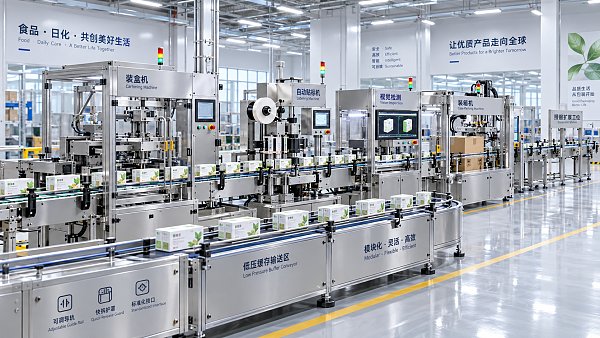
Quick-release guides, digital position indicators, stored recipes, and automatic verification become more important than headline output.
Without those features, short runs can consume too much labor and create inconsistent restarts.
This is especially relevant in the packaging systems beverage industry segment serving convenience packs, club-store bundles, and regional labeling variations.
The line must be able to switch without prolonged fine-tuning.
A useful evaluation method is to compare actual changeover minutes, first-pass quality after restart, and the number of manual touchpoints required.
If those numbers remain unstable, packaging flexibility is not truly supporting efficiency.
Practical signs that flexibility is strong enough
- Format parts are limited, labeled clearly, and easy to change without alignment guesswork.
- HMI recipes guide settings instead of relying on memory or handwritten notes.
- Sensors and vision checks confirm correct setup before a full-speed restart.
- Secondary packaging units accept new dimensions without repeated mechanical rework.
Automation Integration Matters When Labor and Traceability Pressures Rise
Many packaging discussions still focus on standalone machine features.
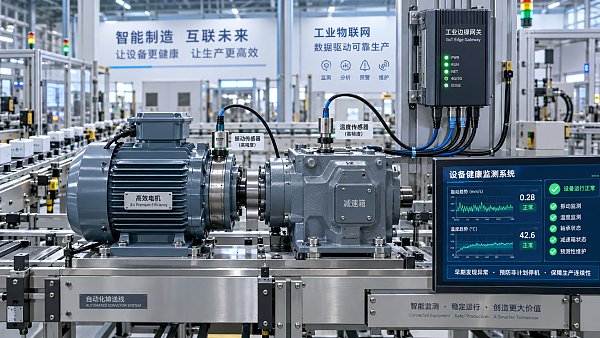
In reality, packaging systems beverage industry performance increasingly depends on integration with controls, data capture, and plant-wide monitoring.
A modern line benefits when packers, labelers, coders, conveyors, and palletizers share status information in real time.
That allows quicker root-cause identification and better response to recurring stoppages.
In actual operations, the strongest gains often come from visibility rather than extra mechanics.
When fault history shows that label feed errors trigger downstream congestion, the upgrade path becomes clearer.
This fits the broader Industrial Edge Global view of production systems.
Packaging machinery should be assessed as part of automation architecture, spare parts strategy, training requirements, and long-term operational reliability.
Compatibility with PLC platforms, remote diagnostics, machine vision, and OEE reporting can materially change lifecycle value.
Where Packaging System Choices Are Commonly Misread
Several misjudgments appear repeatedly in beverage line projects.
The first is treating similar beverages as identical packaging applications.
Bottle rigidity, label type, condensation, case weight, and distribution conditions can change the right equipment choice.
The second is focusing on purchase price while underestimating material waste, spare parts lead time, and service response needs.
The third is ignoring implementation constraints.
Utilities, floor loading, sanitation routines, and operator skill levels often shape packaging systems success more than specification sheets suggest.
Another overlooked issue is future packaging change.
A line optimized only for today's carton or shrink format may become restrictive when retail requirements shift.
That matters in global manufacturing environments where export channels and compliance rules can evolve quickly.
A grounded way to compare options before implementation
The Best Next Step Is to Define the Real Operating Scenario
Packaging systems improve beverage line efficiency when the selection process starts with line behavior, not catalog claims.
That means clarifying whether the main issue is lost throughput, unstable changeovers, labor pressure, traceability gaps, or downstream handling limits.
From there, it becomes easier to compare packaging systems beverage industry options in a structured way.
The most reliable approach is to document current stop patterns, list packaging formats, verify automation compatibility, and estimate maintenance demands over the equipment life.
It also helps to test assumptions against future SKU growth, material changes, and regional compliance needs.
That kind of grounded evaluation aligns with how Industrial Edge Global examines industrial equipment markets.
The point is not to choose the most complex system.
It is to build a packaging setup that fits the operating rhythm, supports reliable output, and remains commercially practical over time.
Related News
 What is driving consolidation in the global equipment supplier market?IEG Heavy Machinery & Automation AnalystGlobal equipment supplier market consolidation is accelerating through technology, service, and supply-chain demands. Discover how buyers can capture value while managing risk.
 When does capital equipment investment pay back in manufacturing?IEG Heavy Machinery & Automation AnalystCapital equipment investment manufacturing: learn when equipment truly pays back by evaluating full costs, cash flow, ramp-up, operational risks, and lifecycle value.
 When does a distribution center need an automated pallet handling system?Heavy Lifting Systems AnalystPallet handling systems help distribution centers overcome labor shortages, bottlenecks, safety risks, and storage constraints. Discover the key signs it’s time to automate.
 How to build a machinery investment plan around payback periodIEG Heavy Machinery & Automation AnalystMachinery investment planning manufacturing guide: build a credible payback plan with full costs, ramp-up assumptions, lifecycle risks, and scenario-based cash benefits.
 How to Specify a Modular Packaging Line for Fast Changeovers and Scalable OutputRobotics EngineerModular packaging line specification guide: achieve faster changeovers, scalable output, reliable controls, and lower lifecycle costs with practical planning.
 How industrial IoT devices reduce unplanned downtime in factoriesRobotics EngineerIndustrial IoT devices help factories detect early equipment issues, plan maintenance, and reduce costly unplanned downtime before production is disrupted.
 What is driving industrial machinery market demand in manufacturing?IEG Heavy Machinery & Automation AnalystIndustrial machinery market manufacturing demand is rising as factories pursue automation, energy efficiency, resilient supply chains, and lifecycle productivity gains.
 316L Stainless Steel Pipe Tube Technical Factors That Shape Buyer DecisionsCNC Machining AnalystA technical analysis for 316L stainless steel pipe tube buyers, covering corrosion expectations, pipe route choice, tolerance, surface, and inspection.
 How ground conditions determine crawler piling equipment selectionConstruction Equipment SpecialistCrawler piling equipment selection starts with ground conditions. Learn how soil, rock, groundwater and site constraints shape safer, more productive piling solutions.
 3300mm CNC Beam Saw Sheet Capacity: Layout Checks Before PurchaseCNC Machining AnalystZhongding ZD330 beam saw specifications: assess 3300mm sheet capacity, layout clearances, handling flow, and acceptance checks before buying.
 How Bucket Chain Diamond Dredgers Meet ISO 12100 Safety Requirements in Alluvial Mining ProjectsMining Infrastructure ExpertBucket chain diamond dredger safety made real: how ISO 12100 compliance ensures operator protection, reliability & zero lost-time injuries in alluvial mining.
 Modular Packaging for High-Mix Automotive Assembly Lines: How Standardized Load Units Reduce Line Changeover Time by 37% — Case Study from Tier-1 Supplier in GuangdongHeavy Lifting Systems AnalystModular packaging slashes automotive line changeover time by 37%—discover how standardized load units boost OEE, cut labor costs, and enable seamless high-mix assembly.