Industrial Sensors in Food Processing: Key Accuracy Checks




Industrial Sensors in Food Processing: Key Accuracy Checks
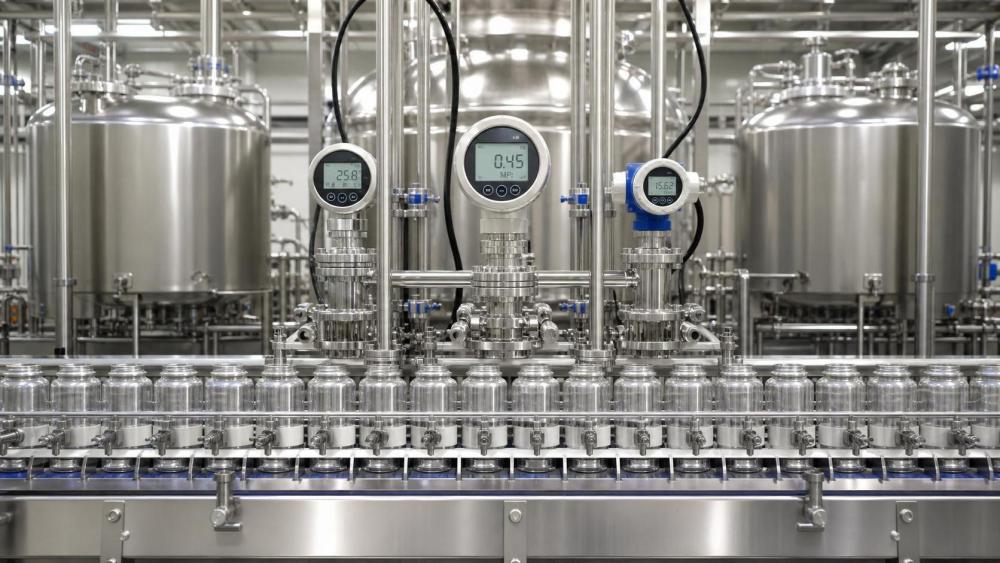
In food production, even small measurement errors can trigger bigger problems than many teams expect.
A slight drift in temperature, pressure, or flow can affect food safety, texture, yield, and cleaning performance.
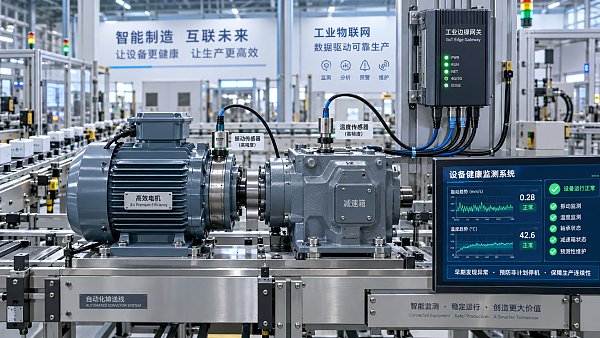
That is why industrial sensors food processing plants use should never be treated as set-and-forget devices.
Accuracy checks are part of process control, risk management, and compliance with internal and external standards.
In practical terms, accurate industrial sensors food processing lines depend on help teams make faster and safer decisions.
They support pasteurization limits, filling control, CIP verification, allergen changeovers, and batch traceability.
This article focuses on the key checks that matter most and how to apply them without overcomplicating plant routines.
Why Sensor Accuracy Matters More in Food Plants
Food processing combines hygiene demands with narrow operating windows.
A few degrees too low during heating can weaken pathogen control.
A few degrees too high can damage flavor, color, and nutritional value.
The same logic applies to pressure, level, conductivity, pH, and flow signals.
When industrial sensors food processing systems rely on become inaccurate, alarms may still look normal.
That creates a hidden risk because the control system reacts to bad data with full confidence.
From a standards perspective, documented verification also supports audit readiness.
Many plants align checks with HACCP plans, preventive maintenance programs, and equipment qualification records.
The Main Industrial Sensors Food Processing Lines Use
Not every sensor carries the same process risk.
Still, several sensor categories usually deserve priority during accuracy reviews.
- Temperature sensors for pasteurizers, ovens, chillers, retorts, and storage tanks.
- Pressure sensors for pumps, filters, separators, and hygienic pipelines.
- Flow meters for ingredients, water, steam, and CIP circuits.
- Level sensors for vessels, silos, blending tanks, and fillers.
- pH and conductivity sensors for cleaning control and process chemistry.
- Humidity and gas sensors for drying, packaging, and cold chain environments.
The more critical the control point, the tighter the checking discipline should be.
Key Accuracy Checks to Perform
A useful program does not begin with calibration certificates alone.
It begins with repeatable checks at the point where the sensor affects the process.
1. Verify against a traceable reference
Compare the installed sensor with a certified reference instrument.
For temperature, use a reference thermometer with suitable accuracy and response time.
For pressure or flow, use standards appropriate for the process range.
2. Check at multiple operating points
A single-point check can miss nonlinearity.
Test low, normal, and high process points whenever possible.
That matters especially for industrial sensors food processing lines operate across different recipes and cleaning cycles.
3. Confirm response time
A sensor may be accurate but still too slow.
Slow response can distort short thermal holds, filling cutoffs, or fast cleaning transitions.
Trend data often reveals lag more clearly than manual readings.
4. Inspect mounting and installation
Bad installation can mimic bad calibration.
Check insertion depth, dead legs, vibration exposure, cable strain, and seal condition.
For hygienic applications, verify that fittings remain compatible with sanitary design expectations.
5. Review drift history
Drift trends help define realistic check intervals.
If a sensor repeatedly moves after steam exposure or frequent washdown, the root cause may be environmental.
That insight is often more valuable than another routine adjustment.
What Common Failure Signals Look Like
In real plants, sensor problems rarely announce themselves clearly.
More often, they appear as small process inconsistencies that seem unrelated at first.
- Unexpected yield loss with no recipe change.
- Frequent overfill or underfill events.
- CIP cycles finishing early or running longer than planned.
- Conflicting readings between local displays and SCADA trends.
- Repeated product holds after routine verification checks.
- Alarm activity increasing after maintenance or line modification.
When these patterns appear, industrial sensors food processing teams monitor should move to the top of the investigation list.
How Often Should Accuracy Checks Be Done?
There is no universal interval that fits every plant.
The better approach is risk-based scheduling tied to process criticality and drift behavior.
In many cases, industrial sensors food processing operations depend on should be checked more often after line changes, product shifts, or sanitation upgrades.
Practical Steps for a Strong Verification Routine
A good routine is simple enough to be repeated and strong enough to stand up in an audit.
- Map sensors by food safety impact, quality impact, and downtime impact.
- Set clear acceptance tolerances for each measurement type.
- Use traceable reference tools and keep their certificates current.
- Record as-found and as-left values, not just pass or fail.
- Link out-of-tolerance results to product impact review.
- Analyze repeat failures for installation, cleaning, or electrical causes.
This structure keeps industrial sensors food processing programs practical rather than purely administrative.
Where Teams Often Make Mistakes
Several common habits weaken otherwise solid control systems.
- Checking only on a calendar and ignoring process stress conditions.
- Using reference tools with unknown uncertainty.
- Adjusting sensors without recording the original deviation.
- Treating all sensors as equally critical.
- Ignoring communication faults because the measurement still appears reasonable.
These gaps create blind spots, especially where industrial sensors food processing systems feed automated decisions.
Final Takeaway
Reliable industrial sensors food processing plants use are not just maintenance items.
They are core control points for safety, consistency, compliance, and operating cost.
The most effective accuracy checks combine traceable references, multi-point testing, response review, and disciplined records.
In day-to-day operations, that approach makes deviations easier to catch before they become product losses or audit findings.
For plants reviewing industrial sensors food processing performance today, the right first step is simple.
Identify the most critical measurements, verify them against trusted standards, and tighten the routine where drift creates the highest business risk.
Related News
 What is driving consolidation in the global equipment supplier market?IEG Heavy Machinery & Automation AnalystGlobal equipment supplier market consolidation is accelerating through technology, service, and supply-chain demands. Discover how buyers can capture value while managing risk.
 When does capital equipment investment pay back in manufacturing?IEG Heavy Machinery & Automation AnalystCapital equipment investment manufacturing: learn when equipment truly pays back by evaluating full costs, cash flow, ramp-up, operational risks, and lifecycle value.
 When does a distribution center need an automated pallet handling system?Heavy Lifting Systems AnalystPallet handling systems help distribution centers overcome labor shortages, bottlenecks, safety risks, and storage constraints. Discover the key signs it’s time to automate.
 How to build a machinery investment plan around payback periodIEG Heavy Machinery & Automation AnalystMachinery investment planning manufacturing guide: build a credible payback plan with full costs, ramp-up assumptions, lifecycle risks, and scenario-based cash benefits.
 How to Specify a Modular Packaging Line for Fast Changeovers and Scalable OutputRobotics EngineerModular packaging line specification guide: achieve faster changeovers, scalable output, reliable controls, and lower lifecycle costs with practical planning.
 How industrial IoT devices reduce unplanned downtime in factoriesRobotics EngineerIndustrial IoT devices help factories detect early equipment issues, plan maintenance, and reduce costly unplanned downtime before production is disrupted.
 What is driving industrial machinery market demand in manufacturing?IEG Heavy Machinery & Automation AnalystIndustrial machinery market manufacturing demand is rising as factories pursue automation, energy efficiency, resilient supply chains, and lifecycle productivity gains.
 316L Stainless Steel Pipe Tube Technical Factors That Shape Buyer DecisionsCNC Machining AnalystA technical analysis for 316L stainless steel pipe tube buyers, covering corrosion expectations, pipe route choice, tolerance, surface, and inspection.
 How ground conditions determine crawler piling equipment selectionConstruction Equipment SpecialistCrawler piling equipment selection starts with ground conditions. Learn how soil, rock, groundwater and site constraints shape safer, more productive piling solutions.
 3300mm CNC Beam Saw Sheet Capacity: Layout Checks Before PurchaseCNC Machining AnalystZhongding ZD330 beam saw specifications: assess 3300mm sheet capacity, layout clearances, handling flow, and acceptance checks before buying.
 How Bucket Chain Diamond Dredgers Meet ISO 12100 Safety Requirements in Alluvial Mining ProjectsMining Infrastructure ExpertBucket chain diamond dredger safety made real: how ISO 12100 compliance ensures operator protection, reliability & zero lost-time injuries in alluvial mining.
 Modular Packaging for High-Mix Automotive Assembly Lines: How Standardized Load Units Reduce Line Changeover Time by 37% — Case Study from Tier-1 Supplier in GuangdongHeavy Lifting Systems AnalystModular packaging slashes automotive line changeover time by 37%—discover how standardized load units boost OEE, cut labor costs, and enable seamless high-mix assembly.