Machine Guarding Systems Fencing: Key Safety Compliance Checks




Why does machine guarding systems fencing deserve closer compliance attention?
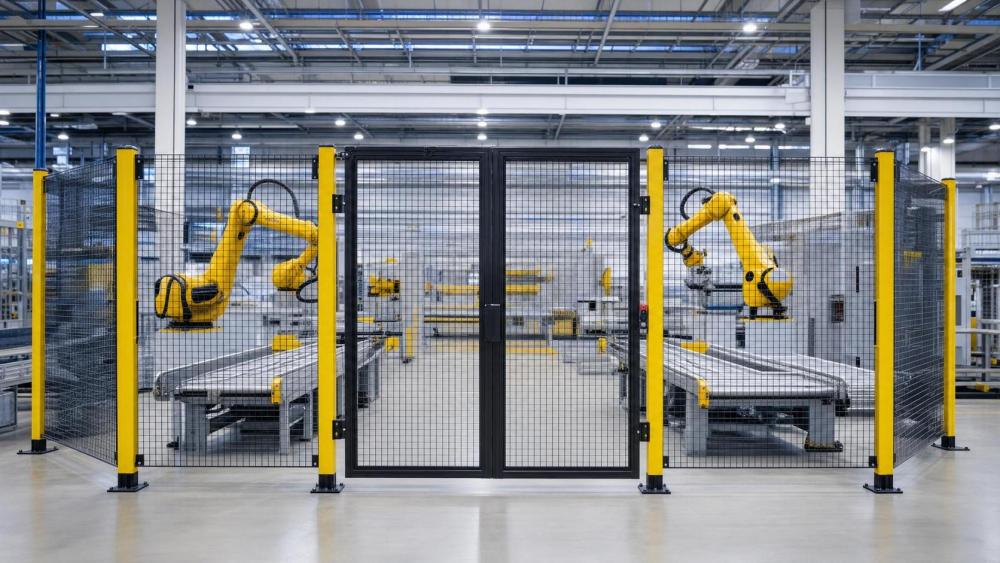
Machine guarding systems fencing is more than a perimeter barrier around moving equipment.
It is one of the control layers that separates people from crushing points, pinch zones, flying debris, and unexpected machine motion.
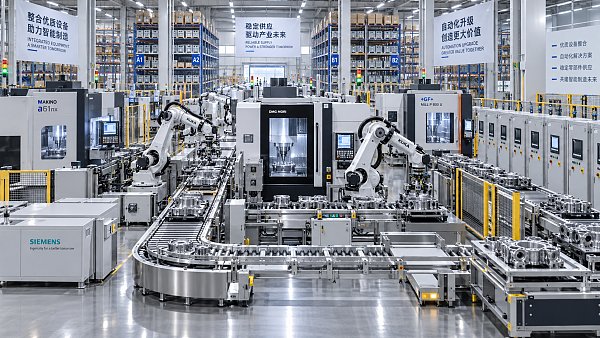
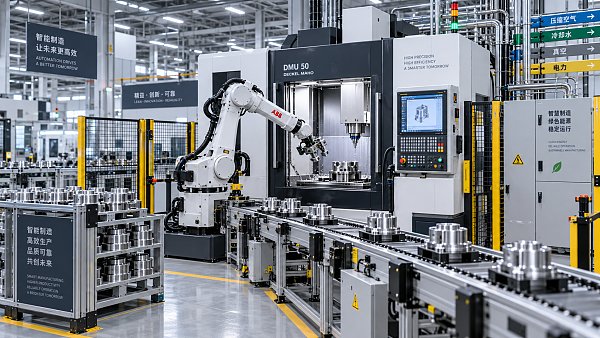
That matters across automated cells, conveyor lines, robotic welding stations, packaging machines, and heavy production equipment.
In practice, many sites install fencing early, then assume compliance is complete.
The more common problem is that the fence exists, but the safety function around it is incomplete.
Openings may be oversized. Gate interlocks may be bypassed. Safe distances may ignore reach-over or reach-through risks.
When machine layouts change, the original guarding concept can quickly become outdated.
This is why machine guarding systems fencing should be checked as part of the whole machine safety strategy.
A useful review links physical guarding with stopping performance, access control, maintenance needs, and documented inspection routines.
For industrial decision support platforms such as Industrial Edge Global, this kind of structured comparison matters because equipment value is tied to reliability, downtime exposure, and lifecycle safety performance.
What actually counts as compliant machine guarding systems fencing?
Compliance starts with hazard assessment, not with choosing a panel style.
The fence must match the machine’s energy, motion, stopping time, access points, and foreseeable human behavior.
A compliant installation usually answers several basic questions clearly.
- Can a person reach the hazard through, under, over, or around the fence?
- Does gate access trigger a safe stop or safe state every time?
- Is the safety distance based on real stopping performance?
- Are maintenance and material flow routes controlled without defeating protection?
- Is the guarding documented, validated, and periodically inspected?
Standards may vary by region and machine type, but the logic is consistent.
Machine guarding systems fencing must prevent access to danger zones during normal production and foreseeable intervention.
It also needs to work with safety relays, interlock switches, light curtains, or trapped-key systems where appropriate.
Simple barriers are rarely enough in cells with robots, indexers, cutters, or high-speed transfer systems.
A quick judging table helps reveal weak points
The table below can be used during site walks or design reviews.
Where do most machine guarding systems fencing failures show up?
The failures are often ordinary, not dramatic.
A line expansion adds a conveyor opening. A robot cell gets a new pallet lane. A maintenance shortcut becomes daily practice.
Over time, machine guarding systems fencing loses integrity because production changes faster than safety documentation.
Several trouble spots appear repeatedly across industries.
- Removable panels installed without monitored fasteners.
- Shared zones between people and automated vehicles.
- Poor separation between operator loading points and hazardous motion.
- Guarding that ignores ejected parts or tool fragments.
- Interlocks chosen for low cost rather than required performance level.
- Restart logic that allows unexpected movement after access.
In heavy machinery assembly, guarding must also consider suspended loads, transfer equipment, and wide operator travel paths.
In packaging and material handling, the higher risk is usually repeated access and informal intervention.
The useful lesson is that machine guarding systems fencing should be reviewed whenever process flow changes, not only after incidents.
How should fencing be checked when machines, robots, and controls work together?
This is where many compliance reviews become more technical.
The fence does not protect people by itself.
Its protective value depends on how it interacts with sensors, drives, brakes, programmable safety, and restart conditions.
A practical review usually includes three linked checks.
1. Verify the protective distance
The measured stop time must support the actual distance between the fence and the hazard.
If drives, payload, or cycle speed have changed, the old calculation may no longer be valid.
2. Confirm controlled access logic
Interlocked gates should force a safe stop and prevent automatic restart until conditions are satisfied.
In cells with stored energy, isolation and dissipation steps should also be defined.
3. Test real operating behavior
Paper compliance is not enough.
The system should be challenged under startup, jam clearing, changeover, cleaning, and fault recovery conditions.
That is especially important in automated production systems covered by Industrial Edge Global, where safety performance influences uptime, operator confidence, and long-term asset value.
What are the common mistakes when selecting or upgrading machine guarding systems fencing?
One mistake is treating all fenced systems as interchangeable.
Mesh type, post strength, panel fixing, visibility, corrosion resistance, and gate hardware all affect suitability.
Another mistake is buying around dimensions rather than around risk.
In actual projects, machine guarding systems fencing should be chosen with both compliance and operating reality in mind.
- Check whether visibility is needed for inspection or remote monitoring.
- Confirm whether washdown, dust, heat, or impact exposure affects material choice.
- Review how pallets, tooling, or spare parts move in and out.
- Make sure anchoring details fit the floor condition and machine vibration.
- Decide early whether future expansion requires modular panels or extra gates.
The lower upfront option can become expensive if it causes redesign, nuisance stoppages, or frequent tampering.
That lifecycle view is increasingly relevant in industrial investment decisions, where safety design influences maintenance cost and production continuity.
How often should compliance checks happen, and what should be documented?
A one-time acceptance check is not enough for machine guarding systems fencing.
The right interval depends on risk level, machine use, change frequency, and incident history.
Even so, some records should always exist.
- Hazard assessment and boundary definition.
- Guarding layout, access points, and safety device list.
- Validation of stop time and protective distance.
- Interlock function test results.
- Modification history after line changes or retrofits.
- Routine inspection findings and corrective actions.
More mature facilities also separate daily visual checks from formal periodic audits.
That approach helps identify loose panels, damaged mesh, floor gap changes, and defeated switches before they become incident triggers.
When documentation is clear, it also becomes easier to compare suppliers, support retrofit planning, and explain equipment risk in commercial and operational terms.
So what is the most practical next step?
Start with a walkdown of existing fenced machine zones and compare what is installed against how the line actually runs today.
Focus on access points, stop performance, bypass evidence, and changes made after commissioning.
If a gap appears between documented design and real operation, machine guarding systems fencing should be revalidated, not patched informally.
For complex production assets, the strongest results usually come from combining compliance review with lifecycle thinking.
That means checking not only whether the fence meets current safety expectations, but also whether it supports uptime, maintainability, and future layout changes.
A structured checklist, a current stop-time study, and a documented modification review provide a solid basis for better decisions.
In environments where capital equipment performance and industrial safety are closely linked, that is usually the most reliable way to keep compliance practical and durable.
Related News
 What is driving consolidation in the global equipment supplier market?IEG Heavy Machinery & Automation AnalystGlobal equipment supplier market consolidation is accelerating through technology, service, and supply-chain demands. Discover how buyers can capture value while managing risk.
 When does capital equipment investment pay back in manufacturing?IEG Heavy Machinery & Automation AnalystCapital equipment investment manufacturing: learn when equipment truly pays back by evaluating full costs, cash flow, ramp-up, operational risks, and lifecycle value.
 When does a distribution center need an automated pallet handling system?Heavy Lifting Systems AnalystPallet handling systems help distribution centers overcome labor shortages, bottlenecks, safety risks, and storage constraints. Discover the key signs it’s time to automate.
 How to build a machinery investment plan around payback periodIEG Heavy Machinery & Automation AnalystMachinery investment planning manufacturing guide: build a credible payback plan with full costs, ramp-up assumptions, lifecycle risks, and scenario-based cash benefits.
 How to Specify a Modular Packaging Line for Fast Changeovers and Scalable OutputRobotics EngineerModular packaging line specification guide: achieve faster changeovers, scalable output, reliable controls, and lower lifecycle costs with practical planning.
 How industrial IoT devices reduce unplanned downtime in factoriesRobotics EngineerIndustrial IoT devices help factories detect early equipment issues, plan maintenance, and reduce costly unplanned downtime before production is disrupted.
 What is driving industrial machinery market demand in manufacturing?IEG Heavy Machinery & Automation AnalystIndustrial machinery market manufacturing demand is rising as factories pursue automation, energy efficiency, resilient supply chains, and lifecycle productivity gains.
 316L Stainless Steel Pipe Tube Technical Factors That Shape Buyer DecisionsCNC Machining AnalystA technical analysis for 316L stainless steel pipe tube buyers, covering corrosion expectations, pipe route choice, tolerance, surface, and inspection.
 How ground conditions determine crawler piling equipment selectionConstruction Equipment SpecialistCrawler piling equipment selection starts with ground conditions. Learn how soil, rock, groundwater and site constraints shape safer, more productive piling solutions.
 3300mm CNC Beam Saw Sheet Capacity: Layout Checks Before PurchaseCNC Machining AnalystZhongding ZD330 beam saw specifications: assess 3300mm sheet capacity, layout clearances, handling flow, and acceptance checks before buying.
 How Bucket Chain Diamond Dredgers Meet ISO 12100 Safety Requirements in Alluvial Mining ProjectsMining Infrastructure ExpertBucket chain diamond dredger safety made real: how ISO 12100 compliance ensures operator protection, reliability & zero lost-time injuries in alluvial mining.
 Modular Packaging for High-Mix Automotive Assembly Lines: How Standardized Load Units Reduce Line Changeover Time by 37% — Case Study from Tier-1 Supplier in GuangdongHeavy Lifting Systems AnalystModular packaging slashes automotive line changeover time by 37%—discover how standardized load units boost OEE, cut labor costs, and enable seamless high-mix assembly.