When a Process Automation Upgrade Delivers Real Payback




When does a process automation upgrade actually pay back?
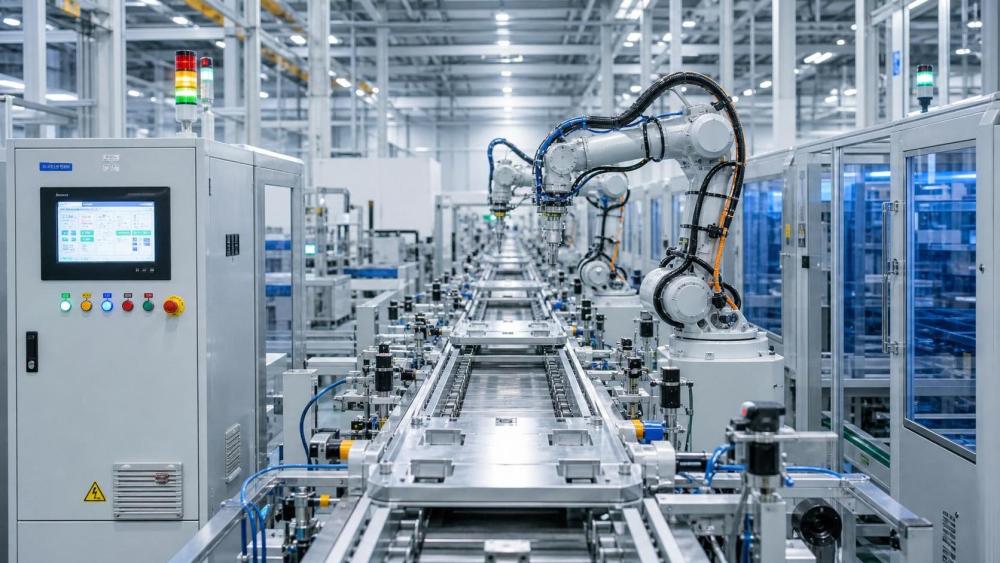
A process automation upgrade earns attention for one reason: it promises better output with tighter control.
But payback is rarely created by automation alone.
It comes from a measurable change in throughput, downtime, energy use, labor efficiency, maintenance exposure, and asset life.
That is why the most useful question is not, “Should we automate?”
A better question is, “Which process automation upgrade removes a real operational constraint?”
In heavy industry, factory systems, material handling, and process equipment, expensive upgrades often fail for a simple reason.
They solve a technical problem that is not the main business problem.
Industrial Edge Global follows this issue closely across automation systems, capital equipment, and production investments.
The pattern is consistent across sectors.
The strongest returns come from upgrades tied to production bottlenecks, unstable quality, rising energy costs, or chronic maintenance loss.
What counts as a high-value process automation upgrade?
A high-value process automation upgrade improves the economics of an existing operation, not just its technical appearance.
In practical terms, it should change at least one core metric in a visible way.
- More units, tons, or batches produced per shift
- Lower unplanned stoppage frequency
- Reduced scrap, rework, or off-spec output
- Lower electricity, compressed air, steam, or fuel consumption
- Fewer manual interventions in unstable steps
- Better traceability for quality, safety, or compliance review
This can include PLC modernization, drive replacement, sensor upgrades, machine vision, motion control improvements, or plant-wide data integration.
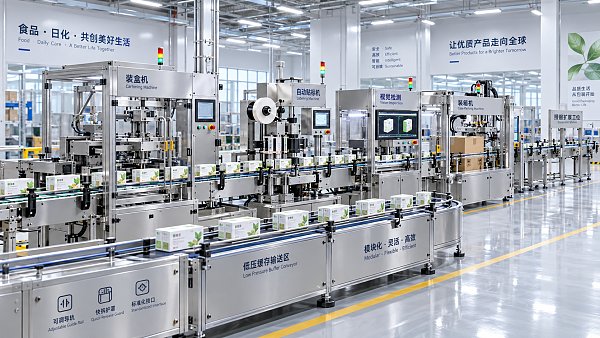
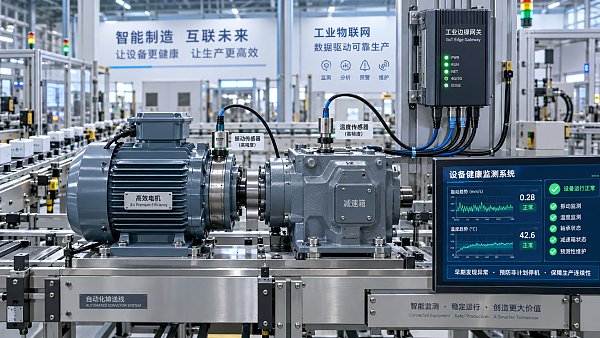
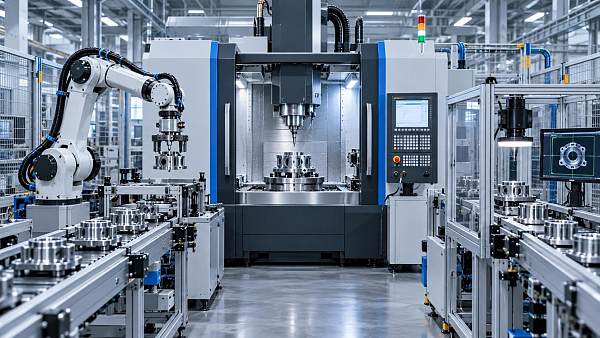
It may also involve automated conveying, robotic loading, recipe control, or remote condition monitoring.
The important distinction is this: a process automation upgrade should solve a bottleneck with financial consequence.
If the current line already meets demand, runs reliably, and has low changeover loss, payback may be slower than expected.
More often, the case becomes stronger where legacy controls limit uptime, spare parts are hard to source, or production data is too weak for informed scheduling.
Which operating situations justify the investment most clearly?
Not every facility needs the same level of automation.
The strongest business case usually appears when manual work, aging equipment, or fragmented controls are already creating visible cost.
A process automation upgrade tends to deliver faster payback in these situations.
This is especially relevant in sectors covered by IEG, where asset life is long and downtime costs are rarely small.
A conveyor failure, unstable dosing system, or outdated HMI can affect an entire production chain.
In those cases, the process automation upgrade is not cosmetic.
It is a capital decision tied directly to operating continuity.
How should payback be measured beyond the purchase price?
This is where many evaluations go wrong.
The equipment quote is only one part of the financial picture.
A realistic process automation upgrade review should include direct and indirect cost factors.
Look at the full cost side
- Controls, software, drives, sensors, and interface hardware
- Mechanical modification, cabling, commissioning, and integration
- Production stoppage during installation
- Training, documentation, cybersecurity, and service contracts
- Future spare parts and vendor support availability
Then quantify the return side
- Extra annual output from shorter cycle time
- Recovered production from less downtime
- Lower defect cost and material waste
- Reduced maintenance labor and emergency repair spend
- Lower energy cost per unit produced
In real projects, a process automation upgrade often pays back through a combination of small gains.
No single number looks dramatic, but together they reshape operating margin.
That is why lifecycle thinking matters.
IEG regularly frames equipment decisions this way, because industrial assets create value over years, not at quotation stage alone.
What mistakes turn a promising upgrade into a slow-return project?
The most common mistake is upgrading around technology features instead of process constraints.
A line can gain new controls and still keep the same bottleneck.
Another weak assumption is treating all uptime as equal.
If added capacity cannot be sold, stored, or moved downstream, the return case weakens.
There are also implementation risks that deserve early review.
- Poor data on baseline performance before the project
- Underestimated integration complexity with existing machines
- Limited operator adoption after commissioning
- Vendor dependence on proprietary parts or software
- No clear plan for maintenance skills after handover
In heavier process environments, one more issue appears frequently.
The control system is upgraded, but upstream valves, pneumatic components, motors, or mechanical transfer points remain unreliable.
That creates a modern interface around old instability.
A process automation upgrade works best when controls, motion, sensing, and physical equipment condition are reviewed together.
What should be confirmed before choosing a supplier or rollout plan?
A good purchasing decision starts with a disciplined scope.
Before comparing proposals, confirm what the upgrade must improve and how success will be measured.
That sounds basic, but it prevents expensive ambiguity later.
Useful questions before approval
- Which production loss is largest today: downtime, quality drift, energy, or labor intensity?
- What baseline data proves that loss?
- How long will installation stop production?
- Can the new system connect with existing PLCs, SCADA, MES, or plant networks?
- Are spare parts and local technical support available over the asset life?
- What training is needed for operations and maintenance teams?
- How will post-upgrade performance be verified after startup?
For cross-border projects, structured technical information becomes even more important.
That is where platforms like Industrial Edge Global are useful.
They help connect technical specifications with practical business outcomes, making comparisons easier across suppliers, equipment categories, and regional market options.
The goal is not just to buy automation.
It is to choose a process automation upgrade that fits lifecycle cost, serviceability, and production strategy.
So what separates real payback from a costly upgrade?
The difference is usually clear after careful review.
A strong process automation upgrade is linked to a known bottleneck, supported by baseline data, and measured against business results after startup.
A weak project focuses on features, assumes ideal implementation, and ignores maintenance or integration risk.
Before moving forward, map current losses, estimate downtime cost honestly, and compare proposals using lifecycle criteria rather than purchase price alone.
Then review compatibility, service support, spare parts access, training needs, and expansion flexibility.
That approach gives the process automation upgrade a fair test.
More importantly, it turns automation from a technical upgrade into a sound industrial investment decision.
Related News
 What is driving consolidation in the global equipment supplier market?IEG Heavy Machinery & Automation AnalystGlobal equipment supplier market consolidation is accelerating through technology, service, and supply-chain demands. Discover how buyers can capture value while managing risk.
 When does capital equipment investment pay back in manufacturing?IEG Heavy Machinery & Automation AnalystCapital equipment investment manufacturing: learn when equipment truly pays back by evaluating full costs, cash flow, ramp-up, operational risks, and lifecycle value.
 When does a distribution center need an automated pallet handling system?Heavy Lifting Systems AnalystPallet handling systems help distribution centers overcome labor shortages, bottlenecks, safety risks, and storage constraints. Discover the key signs it’s time to automate.
 How to build a machinery investment plan around payback periodIEG Heavy Machinery & Automation AnalystMachinery investment planning manufacturing guide: build a credible payback plan with full costs, ramp-up assumptions, lifecycle risks, and scenario-based cash benefits.
 How to Specify a Modular Packaging Line for Fast Changeovers and Scalable OutputRobotics EngineerModular packaging line specification guide: achieve faster changeovers, scalable output, reliable controls, and lower lifecycle costs with practical planning.
 How industrial IoT devices reduce unplanned downtime in factoriesRobotics EngineerIndustrial IoT devices help factories detect early equipment issues, plan maintenance, and reduce costly unplanned downtime before production is disrupted.
 What is driving industrial machinery market demand in manufacturing?IEG Heavy Machinery & Automation AnalystIndustrial machinery market manufacturing demand is rising as factories pursue automation, energy efficiency, resilient supply chains, and lifecycle productivity gains.
 316L Stainless Steel Pipe Tube Technical Factors That Shape Buyer DecisionsCNC Machining AnalystA technical analysis for 316L stainless steel pipe tube buyers, covering corrosion expectations, pipe route choice, tolerance, surface, and inspection.
 How ground conditions determine crawler piling equipment selectionConstruction Equipment SpecialistCrawler piling equipment selection starts with ground conditions. Learn how soil, rock, groundwater and site constraints shape safer, more productive piling solutions.
 3300mm CNC Beam Saw Sheet Capacity: Layout Checks Before PurchaseCNC Machining AnalystZhongding ZD330 beam saw specifications: assess 3300mm sheet capacity, layout clearances, handling flow, and acceptance checks before buying.
 How Bucket Chain Diamond Dredgers Meet ISO 12100 Safety Requirements in Alluvial Mining ProjectsMining Infrastructure ExpertBucket chain diamond dredger safety made real: how ISO 12100 compliance ensures operator protection, reliability & zero lost-time injuries in alluvial mining.
 Modular Packaging for High-Mix Automotive Assembly Lines: How Standardized Load Units Reduce Line Changeover Time by 37% — Case Study from Tier-1 Supplier in GuangdongHeavy Lifting Systems AnalystModular packaging slashes automotive line changeover time by 37%—discover how standardized load units boost OEE, cut labor costs, and enable seamless high-mix assembly.