When factory control systems for manufacturing improve uptime




When factory control systems for manufacturing improve uptime
For many manufacturers, uptime is still discussed as a maintenance issue, even though the real causes of lost production often sit deeper in the control layer. A line can stop because of a failed sensor, but it can also stop because alarms are poorly prioritized, machine states are invisible, recipes are handled inconsistently, or one equipment upgrade breaks communication with another. That is why factory control systems for manufacturing have moved out of the “technical infrastructure” category and into board-level operational planning.
When control architecture is designed well, uptime improves in a very practical sense: fewer unplanned stops, faster fault isolation, more predictable changeovers, and less dependence on a small number of specialists who know how to keep aging equipment alive. When it is designed badly, even expensive machines can underperform.
This matters across sectors, not only in high-volume electronics or automotive plants. Metalworking shops, packaging lines, bulk material systems, process plants, fabricated parts manufacturers, and mixed-mode factories all face the same pressure: produce more consistently without adding avoidable risk. Industrial Edge Global follows these issues closely because industrial buyers no longer evaluate equipment purely by output rating or purchase price. They look at lifecycle reliability, integration burden, spare parts strategy, training demands, and the commercial cost of downtime.
Uptime is not just about keeping machines running
A factory may report acceptable mechanical reliability and still lose hours every week to control-related inefficiencies. These losses are easy to underestimate because they do not always appear as a dramatic failure. They show up as micro-stoppages, repeated manual overrides, delayed restart after a fault, inconsistent cycle timing, or operators waiting for engineering support before production can resume.
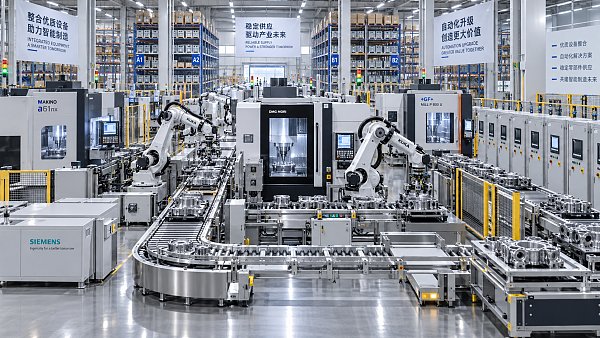
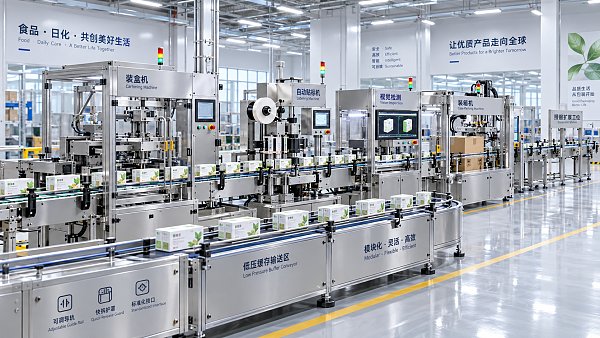
In older plants, it is common to find a patchwork of PLCs, drives, HMIs, vision systems, and standalone machine controls added over many years. Each machine may function on its own, but the plant behaves like a loosely connected set of islands. That creates three problems that directly affect uptime:
- Faults are visible locally but not at the line or plant level.
- Recovery depends on tribal knowledge rather than documented logic.
- Changes to one machine can create side effects elsewhere in the process.
Modern factory control systems for manufacturing address this by connecting machine control, supervisory visibility, data collection, and event handling into one operating structure. That does not always mean replacing everything. In many projects, the better path is selective modernization: keep reliable assets, standardize communication, improve diagnostics, and create a common view of production states.
What actually improves uptime in a control system
Decision-makers often hear broad promises about smart manufacturing, but uptime gains usually come from a handful of concrete capabilities.
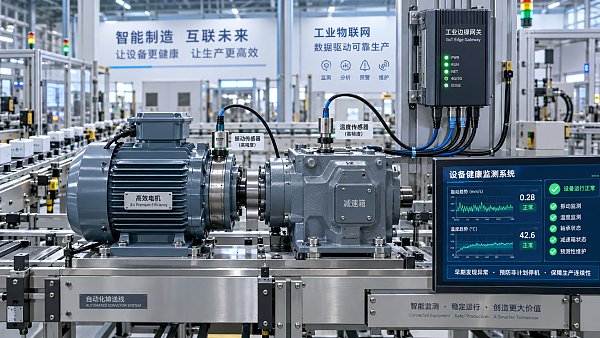
One is state-based visibility. If the system can clearly distinguish between running, starved, blocked, faulted, waiting for material, waiting for operator action, or in changeover, managers stop arguing about the cause of lost time and start fixing the right problem. Another is alarm discipline. Plants with hundreds of nuisance alarms often train operators to ignore warnings until a shutdown becomes unavoidable.
A third is standardized control logic. This is less glamorous than dashboards, but in practice it matters more. If similar machines use different naming, different sequences, and different reset behavior, troubleshooting slows down, training becomes inconsistent, and maintenance errors become more likely. Standardized logic also makes future expansion easier.
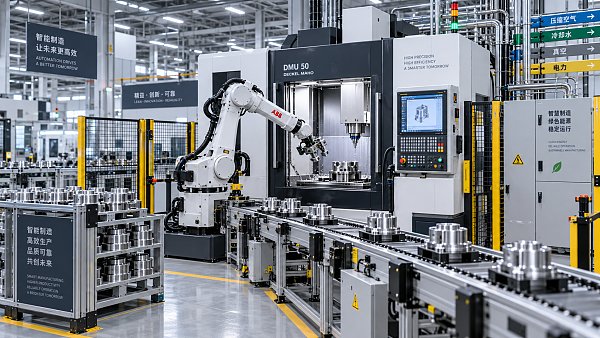
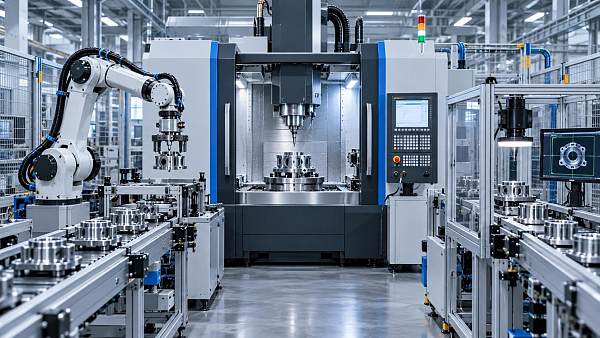
Then there is network resilience. A control system that depends on unstable industrial communication can create intermittent faults that are difficult to reproduce and even harder to explain to management. In plants using robots, servo systems, vision inspection, conveyors, and packaging equipment together, communication architecture is not a background detail. It is part of uptime engineering.
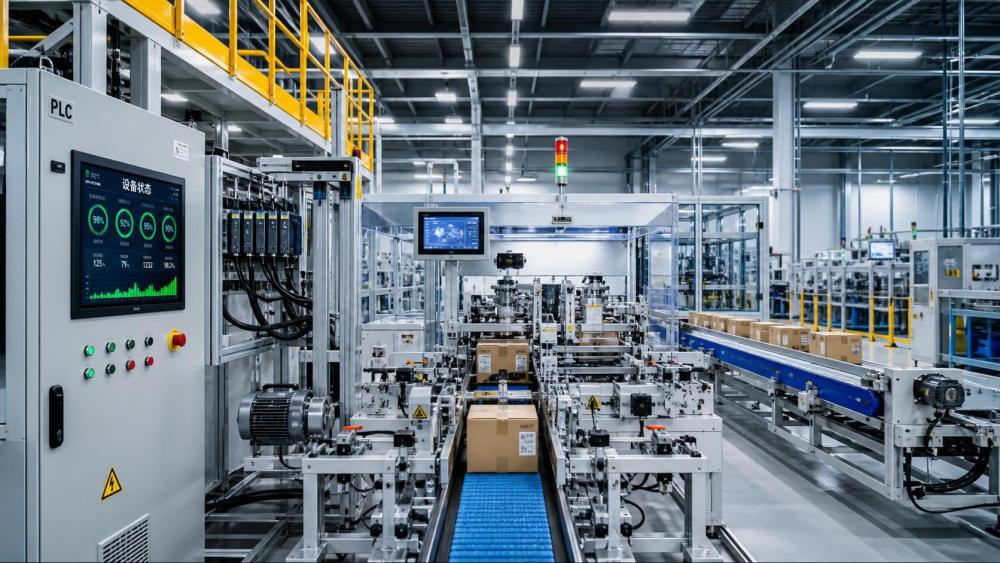
The final piece is maintainability. Good control systems reduce mean time to repair not just through better components, but through clear diagnostics, accessible documentation, backup procedures, version control, and spare parts planning. A plant does not benefit from advanced automation if a simple controller replacement turns into a six-hour recovery effort.
Where business decisions usually go wrong
The most common mistake is treating control upgrades as a narrow engineering purchase. On paper, management may compare controller brands, software licensing, panel cost, or installation quotes. In reality, the bigger financial question is how the system affects production continuity over the next five to ten years.
Another mistake is assuming that higher automation automatically means higher uptime. It can, but only if the application fits. A highly automated line with weak exception handling can become more fragile than a simpler system. In some environments, especially those with variable material, frequent product changeovers, or a mixed fleet of old and new equipment, robustness matters more than theoretical sophistication.
There is also a habit of underestimating integration scope. A new machine may arrive with strong local controls, but once it has to exchange data with upstream equipment, downstream packaging, plant MES, quality systems, or energy monitoring tools, complexity rises quickly. This is where structured technical intelligence becomes valuable. IEG’s role in the market is not to push one equipment type over another, but to help industrial teams understand where technical features affect long-term operational outcomes.
How to assess a system before investing
A serious review should start with the production problem, not the control brand. If the plant loses output because faults take too long to diagnose, the answer may be better event tracking and HMI design. If the problem is unstable line balance, the issue may sit in sequencing, buffering, and machine coordination. If the risk is supplier dependency on obsolete hardware, lifecycle support becomes central.
These questions usually matter more than a generic feature checklist:
- Can the system show why production stopped, not just that it stopped?
- How quickly can maintenance personnel identify root cause and restart safely?
- Are spare parts and replacement modules realistically available in the target market?
- Does the architecture support expansion, line reconfiguration, or future machine additions?
- How much downtime will migration itself require?
- What training burden will fall on operators, technicians, and engineers?
For multinational manufacturers, regional support also matters. A technically suitable system can still become a weak investment if local service capability, documentation language, commissioning support, or compliance expectations are misaligned with the project location. This is one reason Industrial Edge Global tracks industrial equipment markets beyond product specifications alone. The practical value of a control solution depends on the surrounding ecosystem: service network, compatible suppliers, plant skill level, and sourcing stability.
Retrofit, partial upgrade, or full replacement?
There is no universal answer, and claims that one route is always cheaper are usually too simplistic.
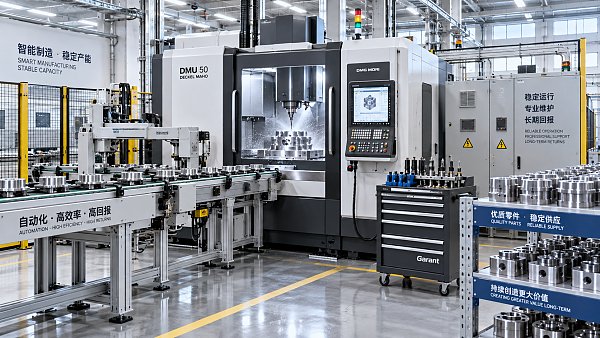
A retrofit can make sense when the mechanical platform is sound, production demand is stable, and the main risk comes from obsolete controls, poor visibility, or difficult maintenance. This is common in durable assets such as machine tools, processing lines, conveyors, and material handling systems where the structure still has useful life left.
A partial upgrade is often the most commercially sensible approach when certain machines are bottlenecks but the full line does not justify replacement. Plants may standardize HMIs, improve line-level monitoring, replace key drives or controllers, and add condition-related data points without disturbing every asset.
Full replacement becomes more attractive when the plant suffers from repeated failures, unsupported components, poor energy performance, or process limitations that software improvements cannot solve. Even then, the uptime case should include commissioning risk, operator transition, and the availability of fallback procedures during cutover.
The link between control systems and broader manufacturing economics
Business leaders rarely buy control systems for their own sake. They buy lower uncertainty. Better uptime protects delivery performance, labor efficiency, material yield, and customer confidence. In sectors with expensive upstream or downstream dependencies, one unstable cell can idle a much larger asset base.
That is why control decisions should be evaluated as capital asset decisions. A cheaper architecture that increases downtime exposure, extends troubleshooting time, or locks the plant into hard-to-source parts may cost more over the asset life. By the same logic, the most advanced platform is not automatically the best choice if the site cannot support it operationally.
Across heavy machinery, automation, production systems, and factory equipment, IEG focuses on exactly this kind of translation: connecting technical design choices with lifecycle value, sourcing risk, maintenance burden, and production reliability. That perspective is useful when comparing not only equipment suppliers, but also upgrade paths inside existing plants.
A more practical way to move forward
If uptime is slipping, the next step is not to ask which control platform is “best.” It is to map where production time is actually being lost and whether the control layer is making recovery easier or harder. In some factories, the answer will be better diagnostics and standardization. In others, it will mean redesigning machine coordination, replacing unsupported hardware, or building a clearer line-level view across disconnected assets.
Before approving a project, it is usually worth confirming five things in detail: current failure modes, migration downtime tolerance, support coverage in the operating region, parts availability over the expected asset life, and the internal capability required to maintain the new system after handover. Those details determine whether factory control systems for manufacturing become a real uptime solution or just another capital expense with a complicated startup.
The plants that improve uptime most reliably are not always the ones with the newest equipment. They are the ones that understand their control architecture as part of production strategy, not an afterthought hidden inside the panel.
Related News
 What is driving consolidation in the global equipment supplier market?IEG Heavy Machinery & Automation AnalystGlobal equipment supplier market consolidation is accelerating through technology, service, and supply-chain demands. Discover how buyers can capture value while managing risk.
 When does capital equipment investment pay back in manufacturing?IEG Heavy Machinery & Automation AnalystCapital equipment investment manufacturing: learn when equipment truly pays back by evaluating full costs, cash flow, ramp-up, operational risks, and lifecycle value.
 When does a distribution center need an automated pallet handling system?Heavy Lifting Systems AnalystPallet handling systems help distribution centers overcome labor shortages, bottlenecks, safety risks, and storage constraints. Discover the key signs it’s time to automate.
 How to build a machinery investment plan around payback periodIEG Heavy Machinery & Automation AnalystMachinery investment planning manufacturing guide: build a credible payback plan with full costs, ramp-up assumptions, lifecycle risks, and scenario-based cash benefits.
 How to Specify a Modular Packaging Line for Fast Changeovers and Scalable OutputRobotics EngineerModular packaging line specification guide: achieve faster changeovers, scalable output, reliable controls, and lower lifecycle costs with practical planning.
 How industrial IoT devices reduce unplanned downtime in factoriesRobotics EngineerIndustrial IoT devices help factories detect early equipment issues, plan maintenance, and reduce costly unplanned downtime before production is disrupted.
 What is driving industrial machinery market demand in manufacturing?IEG Heavy Machinery & Automation AnalystIndustrial machinery market manufacturing demand is rising as factories pursue automation, energy efficiency, resilient supply chains, and lifecycle productivity gains.
 316L Stainless Steel Pipe Tube Technical Factors That Shape Buyer DecisionsCNC Machining AnalystA technical analysis for 316L stainless steel pipe tube buyers, covering corrosion expectations, pipe route choice, tolerance, surface, and inspection.
 How ground conditions determine crawler piling equipment selectionConstruction Equipment SpecialistCrawler piling equipment selection starts with ground conditions. Learn how soil, rock, groundwater and site constraints shape safer, more productive piling solutions.
 3300mm CNC Beam Saw Sheet Capacity: Layout Checks Before PurchaseCNC Machining AnalystZhongding ZD330 beam saw specifications: assess 3300mm sheet capacity, layout clearances, handling flow, and acceptance checks before buying.
 How Bucket Chain Diamond Dredgers Meet ISO 12100 Safety Requirements in Alluvial Mining ProjectsMining Infrastructure ExpertBucket chain diamond dredger safety made real: how ISO 12100 compliance ensures operator protection, reliability & zero lost-time injuries in alluvial mining.
 Modular Packaging for High-Mix Automotive Assembly Lines: How Standardized Load Units Reduce Line Changeover Time by 37% — Case Study from Tier-1 Supplier in GuangdongHeavy Lifting Systems AnalystModular packaging slashes automotive line changeover time by 37%—discover how standardized load units boost OEE, cut labor costs, and enable seamless high-mix assembly.