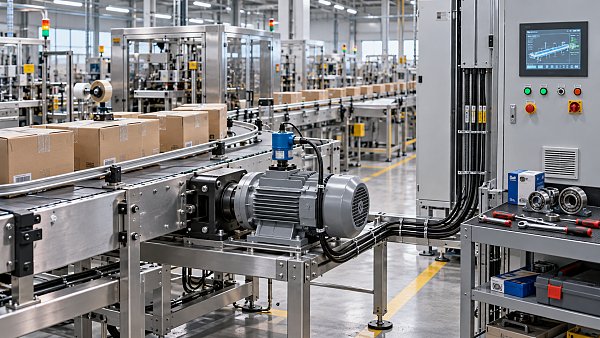
Why Must Hoist Brakes Be Fully Released During Lifting Operations?




Why Must Hoist Brakes Be Fully Released During Lifting Operations?
Safe lifting depends on more than selecting a hoist with enough rated capacity or choosing the correct sling angle. The hoist must also be operating in the condition its designer intended. One point that is often misunderstood on factory floors, construction sites, maintenance bays, and material-handling lines is brake release.
Operators sometimes ask, why should hoist brakes be off when in use? The better wording is that the brake should be fully released while the hoist is actively lifting or lowering under controlled power. It should not be disabled, bypassed, or left incapable of holding a suspended load. When motion stops, power is removed, or an abnormal condition occurs, the brake must engage as designed.
That distinction matters. A hoist brake is primarily a holding and stopping device. It is not intended to rub continuously while the motor, gearbox, chain wheel, or drum is moving. A partially released brake can create drag that may not look dramatic during one short lift, yet it can steadily damage friction surfaces, overload the drive train, and make load movement less predictable.
The Brake Holds the Load; the Drive Produces the Motion
Most powered hoists use a braking arrangement that is spring-applied and electrically, mechanically, hydraulically, or electromagnetically released. In a common electric wire-rope or chain hoist design, springs apply the brake when power is removed. When the operator presses the pendant or radio control for lifting, the brake-release mechanism opens the brake and the motor drives the load upward. When the command is released, the brake closes and holds the load.
This arrangement is deliberately fail-safe. Loss of electrical power should not leave a suspended load dependent on motor torque alone. But while the motor is commanded to run, the brake needs adequate clearance. If it remains partly engaged, the motor is effectively trying to lift the load while also fighting its own brake.
There are exceptions in terminology and design. Some equipment includes a load brake, dynamic braking, regenerative braking through a variable-frequency drive, or a dedicated lowering-control device. These systems may manage load motion differently from a simple motor-mounted holding brake. The operating principle, however, remains the same: components intended to hold or stop should not be unintentionally dragged through a powered lift cycle. The hoist manufacturer’s manual and the equipment-specific inspection procedure take priority over generic advice.
What Happens When a Brake Does Not Release Completely?
Partial brake release creates friction. Friction creates heat. In lifting equipment, that heat is not merely an efficiency problem; it can alter the condition of components that must perform reliably when the load stops.
A lightly dragging brake may produce a burnt odor, abnormal motor noise, a slower-than-usual hoist speed, or an unusually warm brake housing after repeated cycles. These signs are easy to dismiss when a production line is busy. In practice, they often point to a brake coil problem, contaminated friction surfaces, incorrect air-gap adjustment, worn lining, mechanical binding, low control voltage, or a release linkage that is not traveling fully.
The immediate effect is higher resistance at the motor. The motor must draw more current or work longer to achieve the required motion. Depending on the hoist design and protective settings, that can lead to nuisance trips, reduced lifting speed, overheating, or poor duty-cycle performance. A hoist that appears acceptable with a light load may reveal the issue only near its normal working load.
The more serious concern is brake degradation. Continuous rubbing can glaze friction material, warp surfaces, weaken components exposed to repeated heat cycles, or change the brake’s holding behavior. A brake that has been overheated may still close visibly, but visible closure is not the same as verified holding capacity. That is why a dragging-brake complaint should not be treated as a simple adjustment issue without inspection.
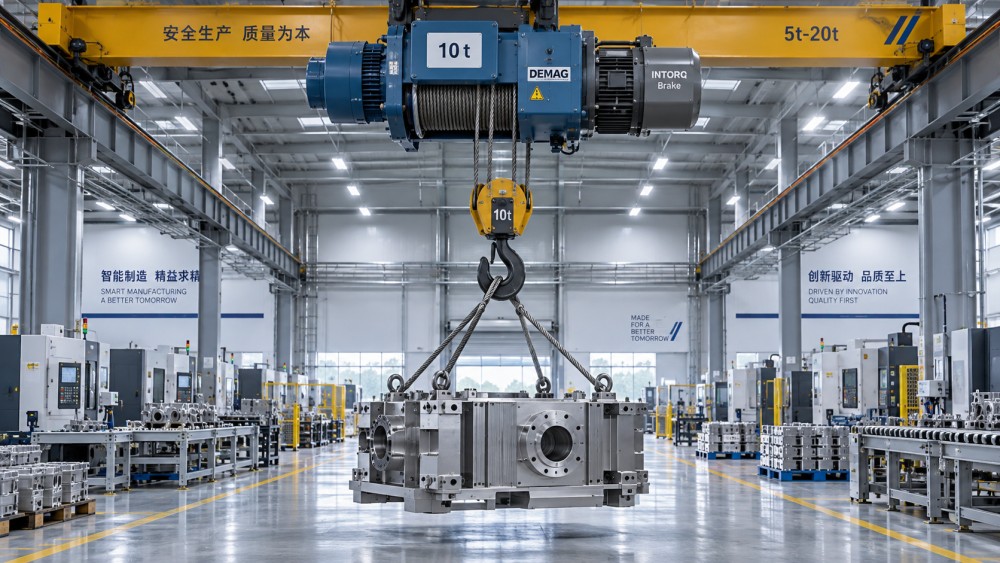
Why Drag Can Make Load Handling Less Smooth
A lifting operation is a chain of reactions between the operator’s command, the motor, the brake, the gearbox, the reeving or chain system, and the suspended load. When the brake drags, the motion can become hesitant. The operator may compensate by holding the control longer, using faster speed settings, or repeatedly jogging the hoist. That response can make precise positioning harder rather than easier.
This is especially noticeable when placing machine components, dies, fabricated assemblies, pumps, motors, or other loads that must align with bolt holes, guides, or supports. A load that starts late and then moves abruptly is harder to control than one that responds evenly. On a crane serving a machining cell or assembly station, the consequence may be minor lost time. During maintenance work around installed equipment, it can increase exposure for riggers and nearby personnel.
Brake drag can also disguise another issue: poor mechanical condition elsewhere in the hoist. Operators may blame the pendant, the VFD, the chain, or the load itself when the real cause is incomplete brake release. Conversely, a hoist that surges or creeps should not automatically be diagnosed as a brake problem. Proper troubleshooting means isolating the brake system, control circuit, motor behavior, gear train, and load path rather than replacing parts based on symptoms alone.
“Brakes Off” Does Not Mean Brakes Defeated
The phrase “brakes off” can be unsafe if it leads people to think the brake should be manually blocked open or electrically bypassed during routine work. It should not. A hoist operating with a bypassed holding brake may continue to move after the control is released, fail to hold when power is lost, or create an uncontrolled suspended-load hazard.
The operational requirement is more precise: the brake must release when commanded, release fully enough to avoid contact during travel, and reapply correctly when the motion command ends. The operator verifies the first part through normal observation. Qualified maintenance personnel verify the mechanical and electrical details through the manufacturer’s procedures.
No operator should attempt to adjust brake springs, air gaps, coils, or internal linkages unless authorized, trained, and working under the site’s lockout/tagout process. Brake settings can be safety-critical. An adjustment that appears to cure drag may reduce holding force if it is made without the correct specification and test method.
Practical Checks Before a Shift
Routine pre-use checks are not a substitute for periodic inspection and maintenance, but they often catch a developing brake problem before it becomes a production stoppage or a lifting incident. The exact checks depend on the hoist type, its installation, local rules, and the manufacturer’s instructions. In normal operation, an operator should pay attention to a few practical signals:
- The hoist starts and stops cleanly without a noticeable delay, harsh jolt, or continued movement after the control is released.
- The brake engages and holds the load as intended when motion stops. This should be checked only within approved operating procedures and never by placing people beneath a suspended load.
- There is no unusual scraping, squealing, humming, burning smell, smoke, or excessive heat near the brake or motor area.
- Lift and lower speeds feel consistent rather than sluggish, intermittent, or unexpectedly aggressive.
- The pendant, radio control, limit devices, hooks, rope or chain, and load-handling attachments show no condition that would make continued use unsafe.
If a brake seems to drag, operators should remove the hoist from service according to site procedure and report the symptoms clearly. “The hoist is weak” is less useful than “lifting speed slowed after several cycles, a scraping sound came from the motor-end brake area, and the housing was unusually warm.” Good observations reduce diagnostic time and discourage guesswork.
The Issue Becomes More Important in High-Cycle Work
A hoist used occasionally for maintenance may show brake drag differently from one serving a production line all day. High-cycle applications in fabrication, warehousing, foundries, process plants, ports, and automated material-handling systems expose small mechanical faults much faster. Repeated starts and stops generate more opportunities for heat buildup and wear.
This has an asset-management dimension as well. A procurement team comparing hoists should look beyond rated load and initial price. Brake accessibility, inspection requirements, spare-parts support, control compatibility, duty classification, service response, and the availability of trained technicians can affect the real operating cost of a lifting system. A brake that is difficult to inspect may be inexpensive to buy but costly to keep reliable.
For plant managers, the useful question is not simply whether the hoist can lift a given load. It is whether the complete system can repeatedly lift, position, stop, and hold that load in the actual environment: dust, heat, humidity, power-quality variation, outdoor exposure, frequent jogging, and operator turnover all change the maintenance picture.
A Note on Standards, Instructions, and Responsibility
Lifting equipment is governed by a combination of manufacturer instructions, workplace rules, inspection practices, and applicable local regulations or standards. Requirements vary by region, equipment category, and installation. A bridge crane hoist, portable electric chain hoist, mine-service lifting unit, and automated lifting module may have different control and brake arrangements.
For that reason, no general article should be used to override the hoist manual. The equipment documentation should identify the brake type, expected release behavior, permitted adjustments, inspection intervals, test requirements, and conditions requiring removal from service. Where the documentation is missing, unclear, or inconsistent with the installed configuration, a competent lifting-equipment service provider should review the unit before it is returned to work.
Industrial Edge Global approaches equipment questions like this as lifecycle questions, not isolated component questions. Brake performance connects directly to uptime, operator safety, maintenance planning, spare-parts decisions, energy use, and the dependable movement of valuable production assets. That is often the more useful lens for factories and project teams evaluating lifting systems.
The Working Rule to Remember
Hoist brakes must be fully released during commanded lifting or lowering because a holding brake that drags during motion creates unnecessary friction, heat, wear, and unstable handling. But the brake must immediately remain available to stop and hold the load when motion ends or power is interrupted.
If a hoist is slow, noisy, hot, jerky, or inconsistent, do not compensate by overriding controls or forcing more lift cycles through the equipment. Treat the behavior as a warning, secure the work area, and have the hoist evaluated under the correct maintenance procedure. In lifting operations, a brake that releases correctly is just as important as a brake that holds correctly.
Related News
 MSHA Issues Mine Truck Safety Alert After One Death and 121 InjuriesMining Infrastructure ExpertMSHA mine truck safety alert reports one death and 121 lost-time injuries. Discover why mine operators should review safety practices.
 How to size a crushing plant for ore processingMining Infrastructure ExpertSize your ore processing equipment crushing plant with confidence. Learn how to calculate throughput, assess ore characteristics, and prevent bottlenecks.
 Trump Administration Rewrites Mining Policy to Spur Critical Minerals DevelopmentMining Infrastructure ExpertU.S. critical minerals mining policy is changing. Explore what faster approvals could mean for investment, equipment demand and supply chains.
 How IEC 62443 defines security zones for industrial communication systemsRobotics EngineerExplore industrial communication systems and IEC 62443: learn how security zones, conduits, and risk-based controls help protect plant operations.
 China-Peru Trade Agreement Upgrade Takes Effect, Easing Machinery CertificationConstruction Equipment SpecialistThe China-Peru trade agreement upgrade simplifies machinery certification. Discover what mutual recognition could mean for exporters entering Peru.
 How do industrial control systems regulate water treatment?Robotics EngineerDiscover how industrial control systems in water treatment use sensors, PLCs, and SCADA to regulate processes and help operators respond to changing conditions.
 Exotec Report: 25% of Supply Chain Leaders Regret Warehouse Automation DecisionsRobotics EngineerWarehouse automation regret affects 25% of surveyed supply chain leaders, according to Exotec. Explore the cost, contract and readiness risks before investing.
 How to set maintenance intervals for mining equipment in AustraliaMining Infrastructure ExpertMining equipment maintenance Australia: Learn how to set service intervals using operating hours, site conditions and equipment data to reduce downtime.
 EY Survey Ranks Complexity as Mining's Top Risk for 2027Mining Infrastructure ExpertMining risk in 2027 is led by complexity, EY's survey finds. Discover how aging mines, declining ore grades and supply chain pressures are reshaping the industry.
 Can asset lifecycle management automation reduce equipment downtime?IEG Heavy Machinery & Automation AnalystDiscover how asset lifecycle management automation can reduce equipment downtime through timely maintenance, faster repairs, and smarter service workflows.
 Caterpillar Q3 2026 Revenue Rises 17% to $20.7 Billion as Both Equipment Segments GrowConstruction Equipment SpecialistCaterpillar Q3 2026 revenue reportedly rose 17% to $20.7 billion. Explore equipment segment growth and what it could mean for procurement planning.
 How to choose a rugged industrial control panel for wet environmentsRobotics EngineerChoose a rugged industrial control panel for wet environments. Compare IP ratings, materials, seals, and condensation control to improve reliability.