SCFI Surge Tightens Shipping Window for Heavy Machinery




On June 26, 2026, a sharp rise in the Shanghai Containerized Freight Index (SCFI) signaled more than a freight-rate move: it pointed to a more restrictive shipping environment for heavy equipment exports. For companies in construction machinery and material handling, the immediate issue is not only higher ocean freight, but also tighter booking access, longer delivery cycles, and the need to revisit shipment scheduling and cost-sharing arrangements with buyers. This matters because the change is already affecting execution at the trade, procurement, and delivery level rather than remaining a purely market indicator.
What changed in the freight market on June 26
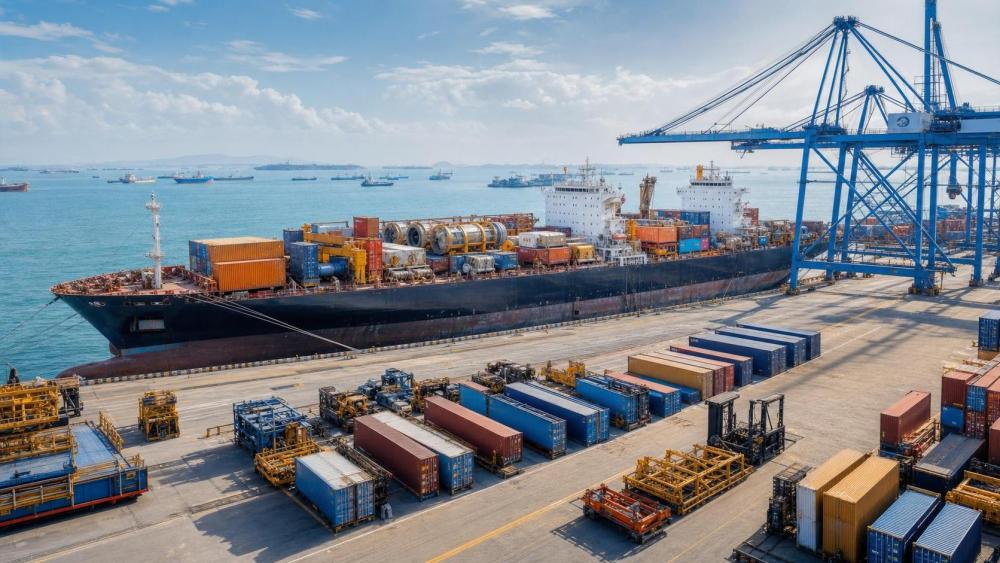
The Shanghai Containerized Freight Index (SCFI) rose 8.3% in a single day to 3127 on June 26, 2026, reaching its highest level since October 2025. According to the provided event summary, the increase was driven by the continued rerouting linked to the Red Sea situation and by escalating strike risk at US West Coast ports. Spot freight rates for 40ft high-cube containers to North Europe and Mediterranean routes moved above $5,200. Exporters of construction machinery and material handling equipment have broadly informed customers that delivery lead times will be extended by two to three weeks, while importers are being asked to lock in vessel space earlier and assess how logistics costs should be shared.
Why this matters across trade and delivery workflows
Export execution is becoming more time-sensitive
From an industry perspective, exporters are likely to feel the pressure first in shipment planning and customer commitment management. When freight rates rise quickly and booking windows tighten, the practical impact falls on dispatch timing, promised delivery dates, and the documentation sequence tied to shipment release. What deserves closer attention is whether existing export schedules, commercial quotations, and delivery commitments still match the current freight environment.
Import-side purchasing faces earlier booking decisions
For importers and procurement teams, the reported need to secure space in advance changes the rhythm of purchasing execution. Analysis shows that buyers may need to make freight-related decisions earlier than planned, especially where delivery schedules are linked to project installation, warehouse intake, or downstream distribution. The main operational concern is less about a formal rule amendment and more about a tightening market practice that can affect landed cost discussions and delivery planning.
Supply chain service providers may see higher coordination demands
Observably, logistics coordinators, freight service providers, and other supply chain intermediaries are likely to face heavier pressure in slot allocation, routing confirmation, and schedule updates. Where heavy machinery shipments involve specialized loading plans or timing-sensitive handover arrangements, any delay in vessel booking can ripple into documentation timing and customer communications. Companies handling these flows should therefore watch for changes in booking conditions and schedule reliability in their routine operations.
What companies should review now
Recheck delivery commitments in contracts and quotations
Analysis shows that companies should review whether current lead-time wording, shipment windows, and logistics assumptions in quotations or purchase agreements still reflect actual transport conditions. The reported two-to-three-week extension makes this a practical contract-execution issue rather than a theoretical market signal.
Prepare for earlier space booking and cost allocation talks
Importers have already been prompted to lock in vessel space earlier and evaluate how logistics costs will be shared. It is more appropriate to understand this as an execution adjustment that may affect procurement approvals, budgeting, and trade negotiations. Businesses should pay close attention to how freight-related charges are addressed in active transactions and whether internal approval timing is still adequate.
Keep shipment documents and technical files aligned with revised schedules
Where heavy equipment exports depend on tightly managed shipment timing, any change in dispatch plans can affect the readiness of shipping documents, technical files, and customer-facing delivery packs. Observably, the current issue is not the emergence of a new certification requirement in the provided information, but the need to ensure that existing documentation workflows remain synchronized with revised sailing plans and handover dates.
Watch for further changes in market practice rather than assume stability
The information provided points to a live operating constraint, but it does not establish a finalized long-term rule framework. Companies should therefore monitor whether booking discipline, route availability, or customer delivery expectations continue to tighten, especially in transactions where freight timing directly affects project execution or equipment commissioning.
How this signal should be read
Analysis shows that this development is best read as an execution signal with immediate commercial and supply-chain consequences, rather than as a standalone freight statistic. The combination of continued rerouting pressure and rising port labor risk has translated into higher spot pricing and longer delivery expectations for affected equipment categories. At the same time, it remains too early to treat this as a settled long-term operating baseline based only on the provided facts. Continued observation is still needed around how market participants adjust booking behavior, delivery promises, and cost-sharing arrangements.
A practical reading for the machinery trade
For the heavy machinery trade, the immediate significance of this event lies in tighter shipping access and more fragile delivery planning. The reported SCFI jump, higher spot rates on key routes, and notice of longer lead times together suggest a present operational squeeze rather than a completed structural reset. It is more appropriate to understand this as a market-execution change that already requires attention in freight booking, procurement coordination, and customer delivery management, while the longer-term pattern still needs to be watched carefully.
Basis of this article and what still needs verification
This article is generated based on the user-provided news title, event date, and event summary. For developments of this kind, relevant source categories typically include official notices, regulatory releases, customs or trade authority information, industry association updates, standard-setting documents, and reporting by authoritative media. No specific official source link was provided in the input, so further verification remains necessary. What still requires continued observation includes any later official clarification, execution guidance, changes in tender or contracting language, market feedback from affected industry participants, and how companies ultimately implement booking, delivery, and logistics cost arrangements.
Related News
 What is driving consolidation in the global equipment supplier market?IEG Heavy Machinery & Automation AnalystGlobal equipment supplier market consolidation is accelerating through technology, service, and supply-chain demands. Discover how buyers can capture value while managing risk.
 When does capital equipment investment pay back in manufacturing?IEG Heavy Machinery & Automation AnalystCapital equipment investment manufacturing: learn when equipment truly pays back by evaluating full costs, cash flow, ramp-up, operational risks, and lifecycle value.
 When does a distribution center need an automated pallet handling system?Heavy Lifting Systems AnalystPallet handling systems help distribution centers overcome labor shortages, bottlenecks, safety risks, and storage constraints. Discover the key signs it’s time to automate.
 How to build a machinery investment plan around payback periodIEG Heavy Machinery & Automation AnalystMachinery investment planning manufacturing guide: build a credible payback plan with full costs, ramp-up assumptions, lifecycle risks, and scenario-based cash benefits.
 How to Specify a Modular Packaging Line for Fast Changeovers and Scalable OutputRobotics EngineerModular packaging line specification guide: achieve faster changeovers, scalable output, reliable controls, and lower lifecycle costs with practical planning.
 How industrial IoT devices reduce unplanned downtime in factoriesRobotics EngineerIndustrial IoT devices help factories detect early equipment issues, plan maintenance, and reduce costly unplanned downtime before production is disrupted.
 What is driving industrial machinery market demand in manufacturing?IEG Heavy Machinery & Automation AnalystIndustrial machinery market manufacturing demand is rising as factories pursue automation, energy efficiency, resilient supply chains, and lifecycle productivity gains.
 316L Stainless Steel Pipe Tube Technical Factors That Shape Buyer DecisionsCNC Machining AnalystA technical analysis for 316L stainless steel pipe tube buyers, covering corrosion expectations, pipe route choice, tolerance, surface, and inspection.
 How ground conditions determine crawler piling equipment selectionConstruction Equipment SpecialistCrawler piling equipment selection starts with ground conditions. Learn how soil, rock, groundwater and site constraints shape safer, more productive piling solutions.
 3300mm CNC Beam Saw Sheet Capacity: Layout Checks Before PurchaseCNC Machining AnalystZhongding ZD330 beam saw specifications: assess 3300mm sheet capacity, layout clearances, handling flow, and acceptance checks before buying.
 How Bucket Chain Diamond Dredgers Meet ISO 12100 Safety Requirements in Alluvial Mining ProjectsMining Infrastructure ExpertBucket chain diamond dredger safety made real: how ISO 12100 compliance ensures operator protection, reliability & zero lost-time injuries in alluvial mining.
 Modular Packaging for High-Mix Automotive Assembly Lines: How Standardized Load Units Reduce Line Changeover Time by 37% — Case Study from Tier-1 Supplier in GuangdongHeavy Lifting Systems AnalystModular packaging slashes automotive line changeover time by 37%—discover how standardized load units boost OEE, cut labor costs, and enable seamless high-mix assembly.