What to watch in crane company news on August 10, 2026




For anyone tracking the latest news about crane company August 10, 2026, the useful question is not simply which manufacturer issued an announcement. The better question is whether that announcement changes equipment availability, project capacity, operating risk, or the long-term economics of a crane fleet.
Crane company news can look similar at first glance: a new order, a model launch, an overseas service agreement, a project contract, or a safety-related update. Yet each signal points to a different part of the market. A large order may indicate confidence in a particular application, but it can also absorb production slots. A new lifting system may improve a contractor's options, but only if local service technicians, transport permits, operator skills, and spare parts support are in place.
On August 10, 2026, the most meaningful crane market developments are likely to come from construction, energy, industrial installation, ports, logistics, mining, and infrastructure work. Reading those updates with a commercial lens helps separate a headline from information that should affect sourcing or investment decisions.
Project awards reveal where lifting demand may be building
Project announcements are often the first place to look because cranes are tied closely to physical work that cannot be completed without lifting capacity. A contract for a bridge, plant expansion, wind installation program, refinery upgrade, shipyard modernization, or major logistics facility does not automatically mean immediate crane purchases. It does, however, provide a clearer view of where equipment may be required over the following project phases.
The details matter more than the contract value. Watch for the site conditions and lifting scope: whether the work requires crawler cranes, all-terrain cranes, rough-terrain cranes, tower cranes, truck cranes, or specialized heavy-lift configurations. A remote energy project may favor machines with reliable field support and transportable components. Dense urban construction may put greater value on compact footprints, low setup disruption, and lifting plans that work around restricted access. Port and industrial projects may create demand for duty-cycle performance and high utilization rather than occasional peak lifts.
One common mistake is to interpret every infrastructure award as a broad crane demand signal. Some projects use existing contractor fleets, lease equipment for a short period, or require only a limited lifting package. The stronger indicator is a cluster of awards within the same region or application category, especially when project schedules overlap. That pattern can tighten crane availability, lifting crew capacity, transport resources, and maintenance response times even before a manufacturer reports higher sales.
Fleet investment news should be read as a capacity decision
When a rental company, contractor, or industrial operator adds cranes to its fleet, the announcement can reveal more than a preference for one brand. It may signal that the buyer expects sustained work, wants to replace aging machines, is entering a new lifting category, or needs better coverage across multiple project locations.
For equipment buyers, the most relevant questions are practical:
- Is the investment concentrated in a crane class that is becoming harder to source?
- Does it favor larger capacity, more flexible mobility, or specialized lifting attachments?
- Is the buyer expanding its geographic reach, which could affect local rental availability?
- Is the order part of a replacement cycle, or does it add net lifting capacity to the market?
- Does the announcement mention service, operator training, telematics, or maintenance agreements alongside the machines?
A fleet order that includes support commitments is often more informative than a bare purchase announcement. It suggests that the buyer is evaluating uptime over the full equipment life cycle. A crane that has strong nominal capacity but spends extended periods awaiting parts, inspections, or specialist repairs can become a costly asset. This is particularly important for high-utilization fleets, where a missed lift can delay multiple crews, subcontractors, and follow-on work.
Fleet expansion should also be viewed against utilization. Adding several machines does not necessarily mean that current demand is booming; the buyer may be replacing units that are expensive to maintain or poorly matched to new jobsite requirements. The most useful market signal is the connection between the equipment chosen and the type of work being pursued.
New crane launches: look beyond the headline capacity
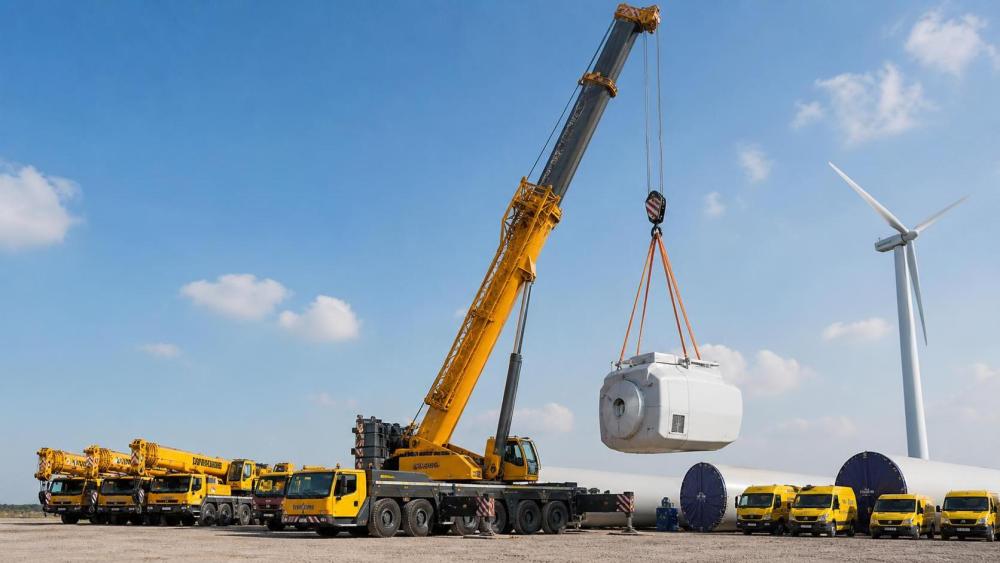
Product launches attract attention because capacity figures, boom length, mobility claims, and digital features are easy to communicate. Those specifications matter, but they do not decide whether a new crane fits a real operation. The first review should focus on the working envelope: the loads the machine can handle at the radius, height, ground condition, and configuration that the job actually requires.
A higher maximum rating may add little value if the intended lifts occur at long radius or if the jobsite cannot accommodate the outrigger spread, counterweight transport, assembly area, or ground preparation. Conversely, a crane with a lower headline capacity can be the better commercial choice if it reaches sites more easily, mobilizes faster, and covers a larger share of routine lifts without excessive support equipment.
Several product features deserve closer attention in crane company news:
Digital functions deserve a balanced view. Load moment indicators, work-area controls, camera systems, anti-collision tools, and remote condition monitoring can improve visibility and support disciplined operation. They do not remove the need for competent lift planning, site assessment, qualified operators, and clear communication between crews. Buyers should treat these features as part of a safety and uptime system, not as a substitute for it.
Safety news can affect equipment value faster than product news
Safety announcements are sometimes dismissed as routine corporate communication, but they can have direct commercial consequences. Updates involving operator training, inspection programs, lifting guidance, anti-collision systems, digital load planning, or service procedures may indicate where operators and customers see persistent risk.
The most relevant safety developments are those that change everyday work: reducing blind spots, helping operators work within defined lifting zones, improving setup checks, identifying overload conditions, or making inspection records easier to manage. These changes may matter most in locations with frequent crane mobilization, congested sites, multiple cranes working together, or jobs involving costly components.
It is also worth watching whether a crane company connects safety announcements to dealer support and technician capability. A feature installed on a machine delivers limited value if local teams cannot diagnose it, maintain it, or explain its operating limits. The same principle applies to upgraded controls and monitoring systems. A well-designed system still depends on training, calibration, and a workable service process.
For organizations comparing new and used cranes, safety-related news can alter the comparison. Older equipment may remain suitable for predictable work with a stable crew and a known maintenance history. It becomes less attractive when the operating environment requires more documented controls, tighter fleet management, or compatibility with contemporary site procedures. The decision is not simply new versus used; it is whether the machine can be operated, inspected, and supported reliably for the planned workload.
Service network expansion is a market signal, not a footnote
A manufacturer or dealer opening a service center, appointing a distributor, adding parts inventory, or expanding field technician coverage can be more relevant than a product announcement. Cranes are capital assets with long service lives, and their value is shaped by repair turnaround, access to technical documentation, component availability, and the ability to obtain qualified support near the worksite.
This is especially important when comparing brands in regions where the installed base is small. A lower acquisition price may be offset by longer downtime if a specialized part, diagnostic tool, or trained technician must come from another market. The risk increases for machines with advanced electronics, specialized boom systems, or uncommon configurations.
Service news should be interpreted at the local level. A broad statement about global coverage is less useful than evidence that a distributor can support the crane type in the operating region. Buyers should distinguish between a sales presence and a capable after-sales network. The latter includes parts planning, field repair capacity, inspection support, technical escalation, and access to people who understand the specific machine.
This is one reason why Industrial Edge Global treats crane market information as an asset-life-cycle issue rather than a stream of product announcements. The meaningful comparison links machine capability with maintenance access, energy use, operating stability, fleet management needs, and the practical cost of keeping equipment available for work.
Demand is splitting by application, not moving as one market
Crane demand rarely rises or falls evenly across all categories. A contractor serving urban commercial construction may see different conditions from a company focused on wind projects, mining maintenance, port handling, industrial shutdowns, or transmission work. News about one segment should not be used as a shortcut for the entire crane market.
Construction activity can support mobile and tower crane demand, but project timing, financing conditions, site density, and subcontractor capacity determine which machines are needed. Energy work may create demand for larger lifts and specialized planning, while also placing high importance on transport routes and weather windows. Manufacturing investment can support indoor lifting systems, overhead cranes, and installation services even when general construction conditions are mixed. Logistics development may favor material handling equipment and localized lifting solutions rather than heavy mobile cranes.
For this reason, the strongest reading of crane company news combines three views: the application being served, the geography involved, and the equipment category mentioned. A model launch is meaningful when it matches an emerging project need. A service investment is meaningful when it follows installed equipment into a region. A fleet order is meaningful when it aligns with a credible workload rather than a one-off publicity event.
A practical way to screen the day’s announcements
When reviewing crane industry updates, it helps to sort each item by its likely operational consequence instead of reading every announcement with equal weight.
- Identify the trigger. Is this a project award, equipment order, new model, service expansion, safety update, partnership, or financial announcement?
- Connect it to a crane category. Determine whether it affects heavy lift, mobile lifting, urban construction, industrial maintenance, port work, or another specific application.
- Check the time horizon. Some news affects near-term availability, while product platforms and service investments may matter over several years.
- Translate the announcement into operating questions. Consider mobilization, crew capability, site constraints, fuel or energy requirements, maintenance support, and spare parts exposure.
- Look for corroborating signals. A single announcement can be promotional; repeated activity across projects, dealers, suppliers, and fleet owners is more useful for market planning.
This process is also useful for procurement teams deciding whether to buy, rent, retain, or replace cranes. A busy news cycle should not force a purchase decision. It should prompt a more focused review of future workload, expected utilization, local rental options, service strength, and the costs created by downtime.
What deserves action after reading crane company news?
The news worth acting on is usually news that changes a constraint. That could mean longer lead times for a crane class, more competition for trained operators, stronger service coverage in a target market, a new machine that fits a recurring lift profile, or project activity that increases local rental pressure.
Before changing a sourcing plan, compare the signal against the actual jobs ahead. Confirm the lift weights and radii that recur most often, the sites where work will occur, the duration of crane deployment, and the support resources available. A machine chosen for occasional maximum lifts can be a poor fit for daily work if it creates unnecessary transport, setup, or maintenance demands.
The most valuable crane market research does not try to predict every announcement. It identifies which developments affect the availability, suitability, and life-cycle cost of lifting capacity. That is the difference between following headlines and using crane company news to make a better equipment decision.
Related News
 What is driving consolidation in the global equipment supplier market?IEG Heavy Machinery & Automation AnalystGlobal equipment supplier market consolidation is accelerating through technology, service, and supply-chain demands. Discover how buyers can capture value while managing risk.
 When does capital equipment investment pay back in manufacturing?IEG Heavy Machinery & Automation AnalystCapital equipment investment manufacturing: learn when equipment truly pays back by evaluating full costs, cash flow, ramp-up, operational risks, and lifecycle value.
 When does a distribution center need an automated pallet handling system?Heavy Lifting Systems AnalystPallet handling systems help distribution centers overcome labor shortages, bottlenecks, safety risks, and storage constraints. Discover the key signs it’s time to automate.
 How to build a machinery investment plan around payback periodIEG Heavy Machinery & Automation AnalystMachinery investment planning manufacturing guide: build a credible payback plan with full costs, ramp-up assumptions, lifecycle risks, and scenario-based cash benefits.
 How to Specify a Modular Packaging Line for Fast Changeovers and Scalable OutputRobotics EngineerModular packaging line specification guide: achieve faster changeovers, scalable output, reliable controls, and lower lifecycle costs with practical planning.
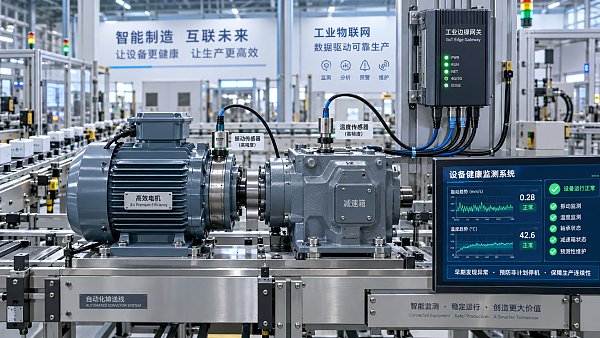
 How industrial IoT devices reduce unplanned downtime in factoriesRobotics EngineerIndustrial IoT devices help factories detect early equipment issues, plan maintenance, and reduce costly unplanned downtime before production is disrupted.
 What is driving industrial machinery market demand in manufacturing?IEG Heavy Machinery & Automation AnalystIndustrial machinery market manufacturing demand is rising as factories pursue automation, energy efficiency, resilient supply chains, and lifecycle productivity gains.
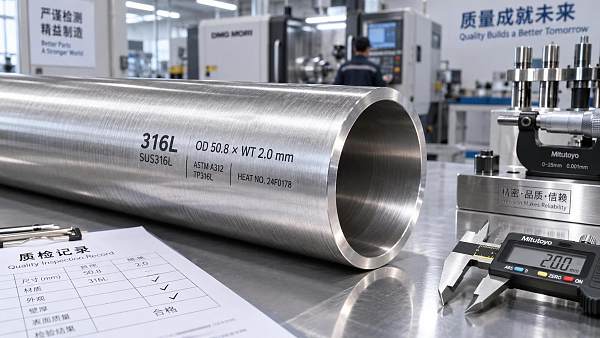
 316L Stainless Steel Pipe Tube Technical Factors That Shape Buyer DecisionsCNC Machining AnalystA technical analysis for 316L stainless steel pipe tube buyers, covering corrosion expectations, pipe route choice, tolerance, surface, and inspection.
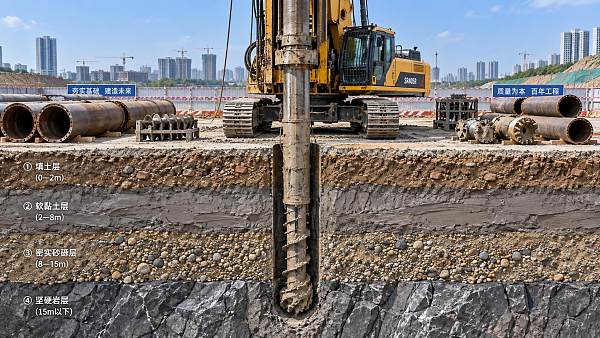
 How ground conditions determine crawler piling equipment selectionConstruction Equipment SpecialistCrawler piling equipment selection starts with ground conditions. Learn how soil, rock, groundwater and site constraints shape safer, more productive piling solutions.
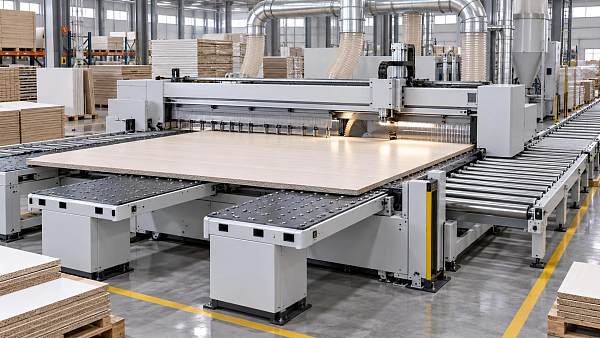
 3300mm CNC Beam Saw Sheet Capacity: Layout Checks Before PurchaseCNC Machining AnalystZhongding ZD330 beam saw specifications: assess 3300mm sheet capacity, layout clearances, handling flow, and acceptance checks before buying.
 How Bucket Chain Diamond Dredgers Meet ISO 12100 Safety Requirements in Alluvial Mining ProjectsMining Infrastructure ExpertBucket chain diamond dredger safety made real: how ISO 12100 compliance ensures operator protection, reliability & zero lost-time injuries in alluvial mining.
 Modular Packaging for High-Mix Automotive Assembly Lines: How Standardized Load Units Reduce Line Changeover Time by 37% — Case Study from Tier-1 Supplier in GuangdongHeavy Lifting Systems AnalystModular packaging slashes automotive line changeover time by 37%—discover how standardized load units boost OEE, cut labor costs, and enable seamless high-mix assembly.