Connected Factory Systems Data Integration: Common Failure Points




Why does connected factory systems data integration break so often?
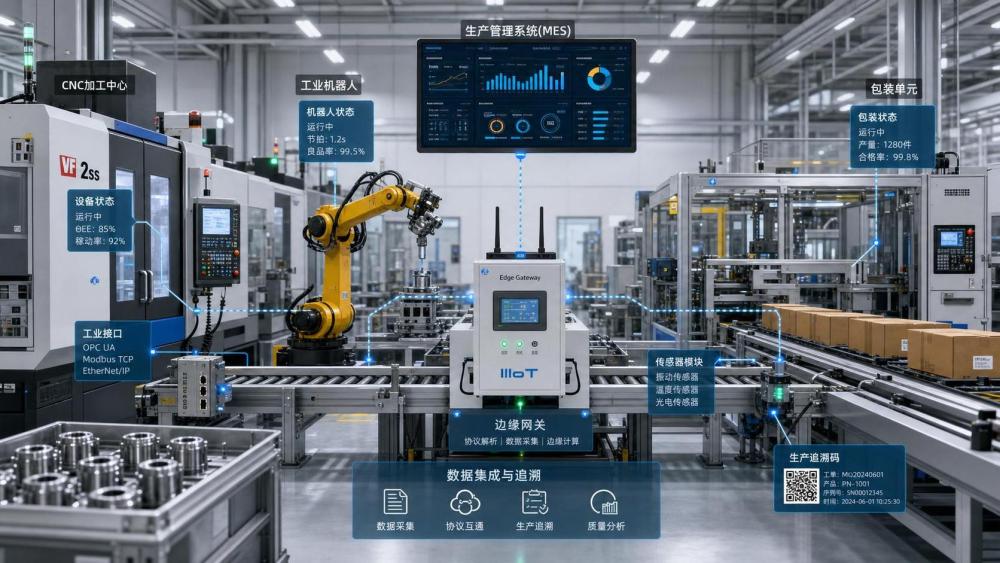
Connected factory systems data integration is supposed to create one reliable operational view. In practice, many projects fail between equipment signals, software logic, and human ownership.
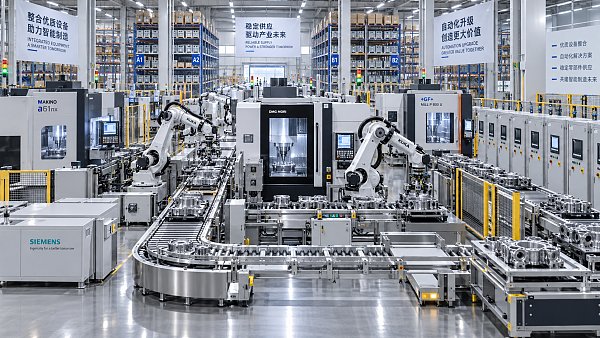
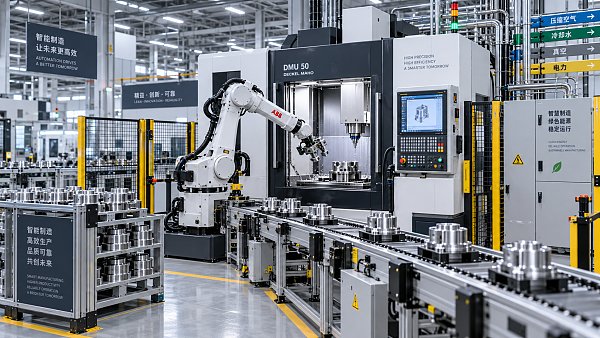
That gap matters in factories using CNC lines, robots, conveyors, packaging cells, process equipment, and utility systems. Bad integration does not just delay dashboards. It affects downtime, traceability, maintenance, and capital efficiency.
A common mistake is treating integration as an IT connection exercise. On the plant floor, data only becomes valuable when tags, events, timestamps, and machine states mean the same thing everywhere.
This is why connected factory systems data integration often fails at handoff points. Machines may communicate, but not in a way that supports production decisions, asset planning, or performance analysis.
Industrial Edge Global often frames this issue in a broader equipment lifecycle context. Integration quality influences not only automation results, but also operating cost, service planning, and investment risk.
What are the first failure points to check?
The earliest failures usually appear before software deployment. They start with poor system definitions, incomplete machine inventories, and unclear expectations about which decisions the data should support.
In actual projects, these weak points show up repeatedly:
- No agreed naming structure for assets, tags, batches, alarms, or downtime codes.
- Legacy machines expose limited data, but the project plan assumes modern connectivity.
- Different vendors use different data formats, units, polling rates, or timestamp logic.
- The team collects everything, yet defines no priority use cases.
- IT, controls, maintenance, and operations each assume another group owns validation.
More often than not, connected factory systems data integration struggles because nobody decides what counts as a trusted production event. The result is data volume without operational confidence.
A practical checkpoint is simple. Ask whether one machine stop, one quality reject, or one recipe change would be recorded identically across PLCs, SCADA, MES, and reporting tools.
If the answer is no, the integration risk is already visible.
Is the problem usually technical, or is it really about data design?
It is rarely just one or the other. Network issues and protocol mismatches do matter, but data design failures are usually more damaging because they remain hidden longer.
For example, a machine can successfully send run status every second. That looks healthy technically. Yet if one system reads “idle” and another reads “available,” analysis becomes unreliable.
The same thing happens with OEE, energy use, scrap rates, and maintenance triggers. Connected factory systems data integration fails when identical terms carry different operational meanings across platforms.
The table below helps separate visible technical faults from less obvious design faults.
The useful lesson is that connected factory systems data integration must be designed around production meaning, not just data transport.
Where do multi-vendor factories run into the most trouble?
Multi-vendor environments are the normal case across heavy industry, discrete manufacturing, and process operations. They also create the most expensive integration blind spots.
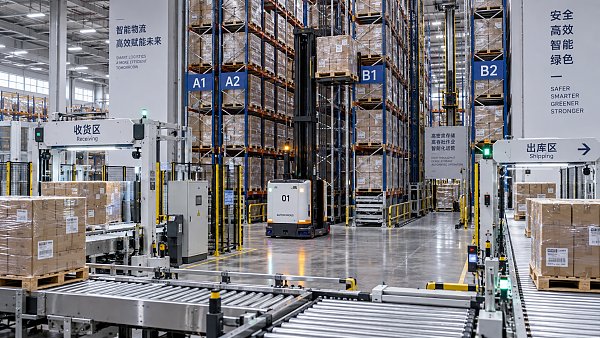
A line may combine old PLCs, new robotics, vision inspection, warehouse interfaces, compressors, and utility meters. Each layer can be correct locally while still damaging factory-wide visibility.
The trouble usually appears in three places. One is protocol translation. Another is context loss between edge devices and enterprise software. The third is ownership during future changes.
In practical terms, one vendor may expose machine states cleanly, while another only exposes raw signals. Someone then builds interpretation logic outside the machine, often without lifecycle documentation.
That becomes risky during upgrades. A firmware change, tag rename, or replacement sensor can silently break connected factory systems data integration without causing a visible machine failure.
This is also where commercially useful industrial intelligence matters. Platforms such as IEG are valuable because they connect equipment characteristics, automation architecture, and lifecycle considerations into one decision context.
Instead of comparing machines only by purchase price, integration readiness becomes part of total asset evaluation. That is especially important for production systems with long payback periods.
How can implementation teams tell whether the architecture is fit for real operations?
A sound architecture is not measured by the number of connected devices. It is measured by whether the data supports production control, maintenance planning, energy review, and traceability without constant manual correction.
A useful evaluation method is to test connected factory systems data integration against a few operational scenarios:
- Can a machine fault be traced from sensor event to operator action to downtime report?
- Can batch history be reconstructed across processing, packaging, and storage systems?
- Can energy consumption be matched to actual production states, not just meter totals?
- Can spare parts and service alerts be linked to runtime conditions with consistent timestamps?
If these answers depend on spreadsheets, manual notes, or repeated reconciliation, the architecture is not mature enough for scale.
Another strong indicator is change resilience. Real factories add stations, modify recipes, replace drives, and shift production priorities. Connected factory systems data integration should survive those changes with limited rework.
That usually requires documented tag standards, version control, interface ownership, and a clear boundary between raw data, interpreted events, and business KPIs.
What reduces risk before rollout, not after failure?
The most effective step is narrowing the first objective. Connected factory systems data integration projects fail when they try to solve every plant data problem in one phase.
A better approach is to choose a limited workflow with measurable value. Good starting points include downtime classification, quality traceability, machine utilization, or condition-based maintenance alerts.
Before rollout, it helps to confirm five items:
- Which system owns each master definition, including asset names, units, and event codes.
- Which data must be real time, and which can tolerate delay.
- How bad data, missing timestamps, and communication loss will be handled.
- Who signs off on production logic before KPI reporting begins.
- How future equipment additions will follow the same integration standard.
This is where implementation discipline has direct financial value. Cleaner rollout reduces debug time, protects output, and avoids expensive redesign during expansion.
In many industrial sectors, from material handling to metalworking to process lines, the real return comes from repeatable architecture, not from one successful pilot alone.
What is the most practical next step if integration already feels unstable?
Start by identifying one production event that everybody believes they understand. Then trace it across machine control, edge collection, historian records, MES logic, and reporting output.
That exercise usually reveals the real weakness faster than a broad architecture review. It shows whether the issue is connectivity, event logic, naming discipline, or organizational ownership.
Connected factory systems data integration succeeds when data is structured for decisions, not merely collected for visibility. The factories that gain long-term value are the ones that define meaning before scale.
A sensible next move is to document high-value use cases, map every system handoff, and rank failure points by operational cost. After that, compare architecture options against lifecycle support, upgrade tolerance, and expansion fit.
That kind of disciplined review fits the way IEG approaches industrial knowledge: technical detail linked to application reality, asset performance, and long-term investment judgment.
When connected factory systems data integration is judged through that lens, implementation decisions become clearer, and the risk of invisible failure drops sharply.
Related News
 What is driving consolidation in the global equipment supplier market?IEG Heavy Machinery & Automation AnalystGlobal equipment supplier market consolidation is accelerating through technology, service, and supply-chain demands. Discover how buyers can capture value while managing risk.
 When does capital equipment investment pay back in manufacturing?IEG Heavy Machinery & Automation AnalystCapital equipment investment manufacturing: learn when equipment truly pays back by evaluating full costs, cash flow, ramp-up, operational risks, and lifecycle value.
 When does a distribution center need an automated pallet handling system?Heavy Lifting Systems AnalystPallet handling systems help distribution centers overcome labor shortages, bottlenecks, safety risks, and storage constraints. Discover the key signs it’s time to automate.
 How to build a machinery investment plan around payback periodIEG Heavy Machinery & Automation AnalystMachinery investment planning manufacturing guide: build a credible payback plan with full costs, ramp-up assumptions, lifecycle risks, and scenario-based cash benefits.
 How to Specify a Modular Packaging Line for Fast Changeovers and Scalable OutputRobotics EngineerModular packaging line specification guide: achieve faster changeovers, scalable output, reliable controls, and lower lifecycle costs with practical planning.
 How industrial IoT devices reduce unplanned downtime in factoriesRobotics EngineerIndustrial IoT devices help factories detect early equipment issues, plan maintenance, and reduce costly unplanned downtime before production is disrupted.
 What is driving industrial machinery market demand in manufacturing?IEG Heavy Machinery & Automation AnalystIndustrial machinery market manufacturing demand is rising as factories pursue automation, energy efficiency, resilient supply chains, and lifecycle productivity gains.
 316L Stainless Steel Pipe Tube Technical Factors That Shape Buyer DecisionsCNC Machining AnalystA technical analysis for 316L stainless steel pipe tube buyers, covering corrosion expectations, pipe route choice, tolerance, surface, and inspection.
 How ground conditions determine crawler piling equipment selectionConstruction Equipment SpecialistCrawler piling equipment selection starts with ground conditions. Learn how soil, rock, groundwater and site constraints shape safer, more productive piling solutions.
 3300mm CNC Beam Saw Sheet Capacity: Layout Checks Before PurchaseCNC Machining AnalystZhongding ZD330 beam saw specifications: assess 3300mm sheet capacity, layout clearances, handling flow, and acceptance checks before buying.
 How Bucket Chain Diamond Dredgers Meet ISO 12100 Safety Requirements in Alluvial Mining ProjectsMining Infrastructure ExpertBucket chain diamond dredger safety made real: how ISO 12100 compliance ensures operator protection, reliability & zero lost-time injuries in alluvial mining.
 Modular Packaging for High-Mix Automotive Assembly Lines: How Standardized Load Units Reduce Line Changeover Time by 37% — Case Study from Tier-1 Supplier in GuangdongHeavy Lifting Systems AnalystModular packaging slashes automotive line changeover time by 37%—discover how standardized load units boost OEE, cut labor costs, and enable seamless high-mix assembly.