Manufacturing Equipment Selection: 7 Costly Mistakes to Avoid




Choosing manufacturing equipment is rarely a simple buying exercise. A low purchase price can look attractive at approval stage, then create years of hidden cost through downtime, scrap, energy waste, weak service coverage, or poor fit with production goals. In a market shaped by automation upgrades, tighter delivery schedules, and rising operating pressure, equipment selection has become a strategic decision about asset value, not just a sourcing transaction.
Why equipment selection has become more complex
Manufacturing equipment now sits inside a broader production system. Machines must support throughput, quality, traceability, maintenance planning, operator safety, and future expansion.
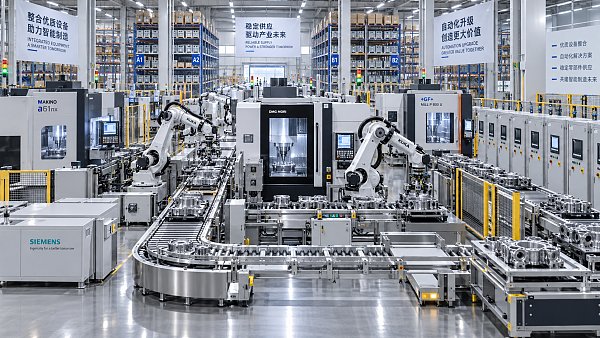
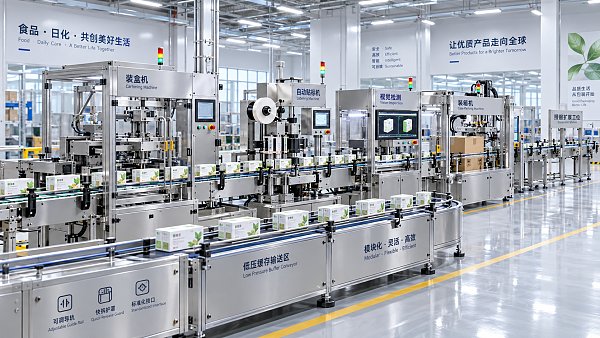
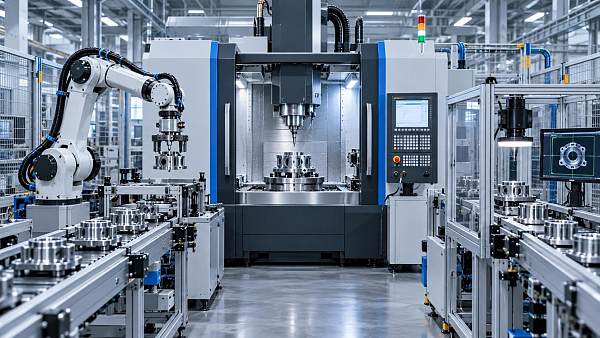
That complexity is visible across CNC machining, welding, cutting, packaging, forming, material handling, and automated production lines. Even stand-alone machines are expected to work within digital and operational frameworks.
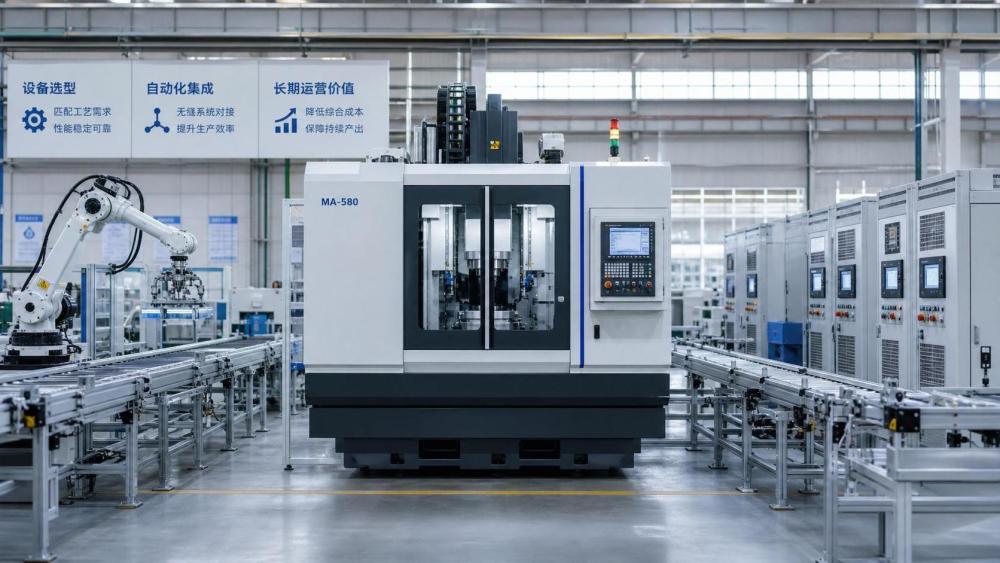
For that reason, mistakes made during selection often stay in the plant for years. They affect output, maintenance workload, spare parts planning, and upgrade options long after installation.
Industrial Edge Global follows these decision points across heavy machinery, factory equipment, automation systems, and capital assets, where technical details directly shape commercial outcomes.
Seven costly mistakes that weaken long-term value
1. Treating price as the main decision driver
The cheapest option may carry the highest lifecycle cost. Manufacturing equipment should be judged against total cost of ownership, including maintenance, energy, tooling, consumables, labor impact, and expected uptime.
A lower-cost machine that stops often can erase any initial savings. In practice, stable output usually matters more than a small difference in purchase price.
2. Buying without a clear production requirement
Selection problems often start before supplier comparison begins. If cycle time, material type, batch size, tolerance needs, floor space, and operating shifts are not defined, the wrong machine can still look technically acceptable.
This is common when a plant wants flexibility but does not specify what kind. A machine suited for prototype work may fail in a high-volume environment.
3. Ignoring service support and spare parts access
After-sales support is often underestimated during equipment selection. Yet response time, local technicians, remote diagnostics, and spare parts availability can determine whether a stoppage lasts hours or weeks.
Manufacturing equipment is a productive asset only when it keeps running. Weak support networks raise operational risk, especially for imported systems or specialized automation cells.
4. Overlooking energy and operating efficiency
Energy cost has moved from a secondary issue to a core buying factor. Motors, drives, compressed air demand, thermal performance, and idle consumption all influence long-term operating cost.
In many facilities, energy-inefficient manufacturing equipment also creates indirect problems. It can increase heat load, shorten component life, and make utility planning harder during capacity expansion.
5. Failing to check automation and integration compatibility
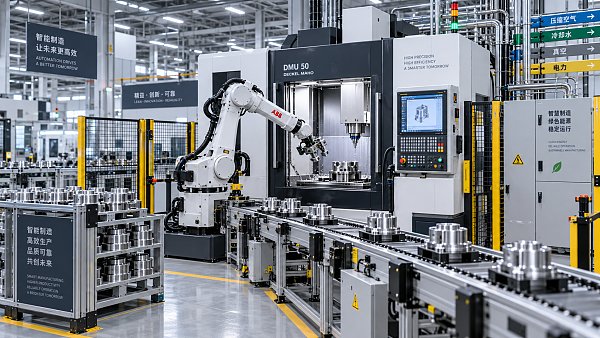
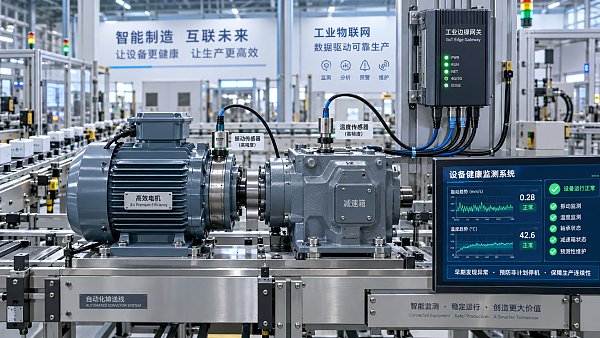
Many plants no longer buy isolated machines. They buy equipment that must connect with conveyors, robots, sensors, MES platforms, vision systems, or plant-level controls.
If communication protocols, interface standards, data outputs, and control architecture are not reviewed early, integration costs can rise sharply after delivery.
This mistake is especially costly in smart manufacturing projects, where the machine itself works well, but the production system around it does not.
6. Underestimating installation and training requirements
A machine that looks suitable on paper may require unexpected foundation work, ventilation changes, utility upgrades, guarding adjustments, or software commissioning support.
Training matters just as much. Advanced manufacturing equipment often depends on correct setup, preventive maintenance routines, and operator understanding. Without that, performance can fall far below specification.
7. Buying for today with no view of future demand
Capacity needs change. Product mix changes. Compliance expectations change. Equipment chosen only for current output can become restrictive sooner than expected.
That does not mean overbuying. It means checking whether the machine can scale through modular tooling, software upgrades, added automation, or expanded material capability.
What good evaluation looks like in practice
A stronger equipment decision usually combines technical fit, commercial realism, and operational foresight. The table below shows how those dimensions connect during review.
This approach is useful across sectors. It applies to machine tools, packaging systems, conveyors, welding lines, robotic workcells, and process equipment with long investment cycles.
Where selection errors usually appear first
The earliest warning signs often appear in daily operations rather than finance reports. Output becomes inconsistent. Changeovers take longer than planned. Maintenance teams improvise because parts are hard to source.
In automated lines, the problem may show up as weak synchronization between machines. In process environments, it may appear through unstable quality or excessive utility consumption.
These issues explain why manufacturing equipment should be reviewed in context. A machine is not only a specification sheet. It is part of production capacity, labor planning, and capital efficiency.
Useful checkpoints before committing to a supplier
A disciplined review process reduces selection risk. It also makes supplier proposals easier to compare on facts rather than sales claims.
- Define target output, quality level, material range, and changeover expectations.
- Request energy, maintenance, and consumables data under realistic operating conditions.
- Check spare parts lead times, service territory, and technical support structure.
- Review integration requirements with controls, software, and material handling systems.
- Confirm installation scope, utility needs, safety compliance, and training coverage.
- Compare upgrade options and expected lifecycle value, not only starting price.
This is where structured industrial intelligence becomes valuable. Platforms such as IEG help translate equipment features into practical buying criteria, market context, and investment risk signals.
A better next step for equipment decisions
The most reliable manufacturing equipment decisions begin with a tighter comparison framework. Start by mapping process requirements, expected lifecycle cost, support needs, and expansion plans into one review sheet.
Then test each option against real plant conditions, not ideal vendor assumptions. That simple shift usually reveals where hidden cost is likely to appear.
When manufacturing equipment is evaluated as a long-term productive asset, the conversation becomes clearer. The best choice is often the machine that protects uptime, adapts to change, and keeps total value visible from installation through years of operation.
Related News
 What is driving consolidation in the global equipment supplier market?IEG Heavy Machinery & Automation AnalystGlobal equipment supplier market consolidation is accelerating through technology, service, and supply-chain demands. Discover how buyers can capture value while managing risk.
 When does capital equipment investment pay back in manufacturing?IEG Heavy Machinery & Automation AnalystCapital equipment investment manufacturing: learn when equipment truly pays back by evaluating full costs, cash flow, ramp-up, operational risks, and lifecycle value.
 When does a distribution center need an automated pallet handling system?Heavy Lifting Systems AnalystPallet handling systems help distribution centers overcome labor shortages, bottlenecks, safety risks, and storage constraints. Discover the key signs it’s time to automate.
 How to build a machinery investment plan around payback periodIEG Heavy Machinery & Automation AnalystMachinery investment planning manufacturing guide: build a credible payback plan with full costs, ramp-up assumptions, lifecycle risks, and scenario-based cash benefits.
 How to Specify a Modular Packaging Line for Fast Changeovers and Scalable OutputRobotics EngineerModular packaging line specification guide: achieve faster changeovers, scalable output, reliable controls, and lower lifecycle costs with practical planning.
 How industrial IoT devices reduce unplanned downtime in factoriesRobotics EngineerIndustrial IoT devices help factories detect early equipment issues, plan maintenance, and reduce costly unplanned downtime before production is disrupted.
 What is driving industrial machinery market demand in manufacturing?IEG Heavy Machinery & Automation AnalystIndustrial machinery market manufacturing demand is rising as factories pursue automation, energy efficiency, resilient supply chains, and lifecycle productivity gains.
 316L Stainless Steel Pipe Tube Technical Factors That Shape Buyer DecisionsCNC Machining AnalystA technical analysis for 316L stainless steel pipe tube buyers, covering corrosion expectations, pipe route choice, tolerance, surface, and inspection.
 How ground conditions determine crawler piling equipment selectionConstruction Equipment SpecialistCrawler piling equipment selection starts with ground conditions. Learn how soil, rock, groundwater and site constraints shape safer, more productive piling solutions.
 3300mm CNC Beam Saw Sheet Capacity: Layout Checks Before PurchaseCNC Machining AnalystZhongding ZD330 beam saw specifications: assess 3300mm sheet capacity, layout clearances, handling flow, and acceptance checks before buying.
 How Bucket Chain Diamond Dredgers Meet ISO 12100 Safety Requirements in Alluvial Mining ProjectsMining Infrastructure ExpertBucket chain diamond dredger safety made real: how ISO 12100 compliance ensures operator protection, reliability & zero lost-time injuries in alluvial mining.
 Modular Packaging for High-Mix Automotive Assembly Lines: How Standardized Load Units Reduce Line Changeover Time by 37% — Case Study from Tier-1 Supplier in GuangdongHeavy Lifting Systems AnalystModular packaging slashes automotive line changeover time by 37%—discover how standardized load units boost OEE, cut labor costs, and enable seamless high-mix assembly.