PLC Control Equipment: Key Specs That Affect Uptime




PLC Control Equipment: Key Specs That Affect Uptime
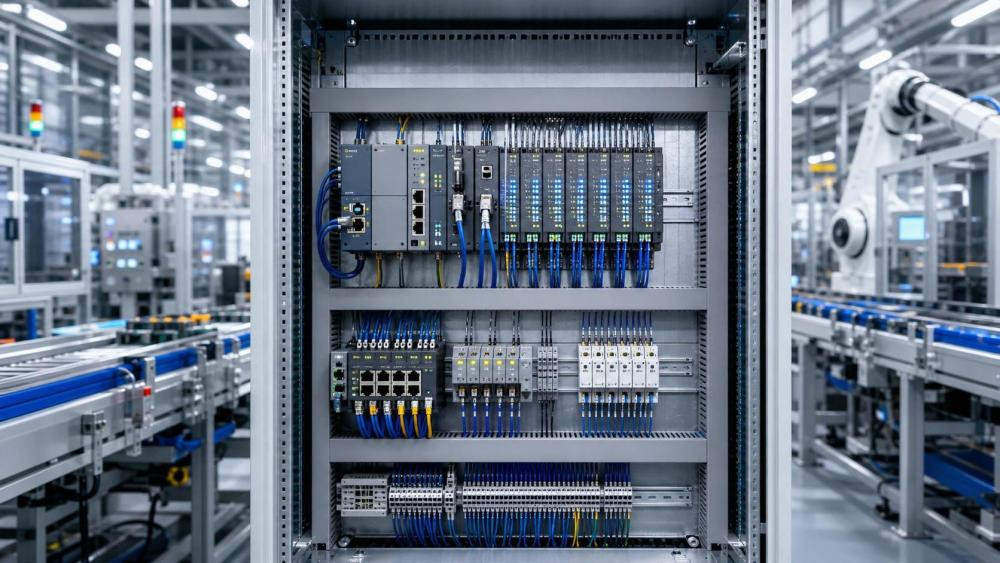
In modern production lines, industrial control equipment PLC performance can directly determine uptime, troubleshooting speed, and maintenance efficiency.
For plant teams, small specification gaps often become large operational problems during long shifts, fast changeovers, or unstable site conditions.
That is why choosing industrial control equipment PLC hardware should start with uptime impact, not only controller price or brand familiarity.
A PLC may look similar on paper, yet differences in scan speed, memory, communication, and protection ratings can change daily reliability.
This guide focuses on the specifications that matter most in real factory operation and explains how to read them in practical terms.
Why PLC Specs Matter More Than Basic Function
Most industrial control equipment PLC systems can start motors, read sensors, and run standard automation logic.
The real difference appears when production speed rises, field devices multiply, or maintenance windows become shorter.
Under those conditions, weak controller specifications show up as delayed responses, unstable communication, missed alarms, or difficult fault tracing.
From a lifecycle view, the best industrial control equipment PLC choice is the one that reduces avoidable downtime over years.
That also means less emergency maintenance, fewer nuisance stops, and smoother coordination between operators, technicians, and engineering teams.
1. Scan Time and Processing Speed
Scan time is one of the first industrial control equipment PLC specifications to review.
It defines how fast the PLC reads inputs, executes logic, and updates outputs in each cycle.
On slow or lightly loaded machines, this may seem minor.
On packaging lines, conveyors, filling systems, or motion-heavy cells, it is not minor at all.
If scan time is too long, outputs react late.
Sensors may be read after a critical event passes.
Faults can appear random when the actual issue is controller cycle delay.
- Look for published instruction execution times, not only CPU marketing claims.
- Check performance with expected program size, not empty-program benchmarks.
- Review whether high-speed counters, interrupts, or motion functions are supported.
In practical troubleshooting, faster and more stable scanning improves repeatability and makes intermittent issues easier to isolate.
2. I/O Capacity and Expansion Flexibility
Many uptime problems start with systems that were sized too tightly at the beginning.
An industrial control equipment PLC should match current I/O demand and allow practical expansion later.
Plants rarely stay static.
Extra sensors, safety interlocks, barcode readers, valves, and remote stations are often added after commissioning.
When a PLC reaches expansion limits too early, teams usually add workarounds.
Those workarounds create wiring complexity, documentation gaps, and more failure points.
Good specification review should include local I/O, remote I/O, analog channels, specialty modules, and future slot availability.
If the process may grow, reserve capacity early.
That usually costs less than redesigning the control architecture later.
3. Communication Protocols and Network Reliability
Communication quality has become a central part of industrial control equipment PLC uptime.
Modern controllers do much more than switch I/O.
They exchange data with HMIs, drives, robots, vision systems, MES platforms, and remote diagnostics tools.
If protocol support is weak, stable hardware can still cause unstable production.
Common protocols include EtherNet/IP, PROFINET, Modbus TCP, Modbus RTU, OPC UA, and serial communication standards.
The right industrial control equipment PLC should support the actual network used by surrounding equipment.
This sounds obvious, but compatibility issues still create major downtime during retrofits and mixed-brand integration.
- Check node limits and update rates.
- Review built-in ports versus optional communication cards.
- Confirm diagnostic visibility for network faults.
- Verify support for redundant paths if uptime is critical.
Better network diagnostics shorten repair time because technicians can see whether the failure is in the PLC, cable, switch, or field device.
4. Memory, Data Handling, and Program Retention
Memory capacity affects more than program size.
In industrial control equipment PLC applications, it also influences recipe handling, alarm history, trend logging, and production data retention.
A controller with limited memory may run today but struggle after future upgrades.
This is common when more product variants, traceability points, or analytics features are added.
Retention is equally important.
Power loss should not erase critical settings, counters, or process values without a clear backup strategy.
For uptime planning, review non-volatile memory behavior, backup methods, and restore speed after replacement.
Fast recovery matters because a failed PLC becomes far more costly when restart requires manual data reconstruction.
5. Environmental Ratings and Electrical Tolerance
Many industrial control equipment PLC failures are not software failures.
They are environmental failures caused by heat, vibration, dust, humidity, electrical noise, or poor power quality.
A PLC that performs well in a clean panel room may not stay stable near furnaces, compressors, or outdoor process equipment.
That is why published operating temperature range, shock resistance, EMC performance, and power supply tolerance deserve close attention.
In real operations, this specification area often separates reliable systems from systems that fail only during summer peaks or unstable utility conditions.
6. Diagnostics, Alarms, and Maintenance Access
A good industrial control equipment PLC should help teams identify faults quickly, not just control the machine when everything is normal.
Built-in diagnostics reduce mean time to repair because they make failures visible in plain operational terms.
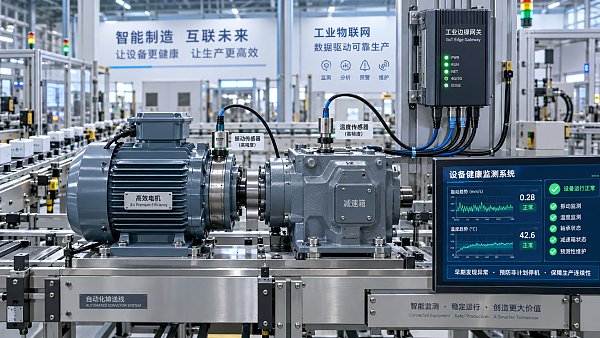
Useful features include module status LEDs, event logs, time-stamped alarms, communication fault details, and online monitoring tools.
From a maintenance angle, remote access and simple backup procedures are just as important.
When a fault happens at night or at a distant site, remote diagnostics can save hours.
That directly improves uptime and reduces unnecessary part replacement.
7. Redundancy, Safety, and Lifecycle Support
Not every application needs a redundant industrial control equipment PLC architecture.
However, continuous processes, utility systems, and high-loss production lines often do.
CPU redundancy, network redundancy, and power supply redundancy all reduce single-point failure risk.
Safety support also matters.
If the PLC must interact with safety relays, safety controllers, or safe I/O, compatibility should be confirmed early.
Another practical issue is lifecycle status.
An industrial control equipment PLC near end-of-life may still work well today, but spare parts and support can become serious uptime risks.
Long-term availability, firmware support, and local service access should be part of every technical review.
A Practical Evaluation Checklist
When comparing industrial control equipment PLC options, use a shortlist based on operational risk, not brochure language.
- Map the machine speed, I/O count, and communication load.
- Check scan performance under expected program complexity.
- Confirm protocol support for every connected device.
- Review environmental ratings against the actual site, not office conditions.
- Test backup, restore, and fault diagnostic workflow before commissioning.
- Verify spare parts supply and product lifecycle status.
This approach makes industrial control equipment PLC selection more aligned with uptime targets, maintenance capability, and future expansion plans.
Final Takeaway
The best industrial control equipment PLC is rarely the one with the longest feature list.
It is the one whose specifications match real production pressure, site conditions, integration needs, and maintenance routines.
If uptime is the priority, focus on scan speed, expansion room, communication stability, memory retention, environmental tolerance, diagnostics, and lifecycle support.
Those are the areas where industrial control equipment PLC decisions move from technical detail to measurable operating value.
Before the next upgrade or replacement project, review these specs against actual failure history. That is usually where the clearest buying signal appears.
Related News
 What is driving consolidation in the global equipment supplier market?IEG Heavy Machinery & Automation AnalystGlobal equipment supplier market consolidation is accelerating through technology, service, and supply-chain demands. Discover how buyers can capture value while managing risk.
 When does capital equipment investment pay back in manufacturing?IEG Heavy Machinery & Automation AnalystCapital equipment investment manufacturing: learn when equipment truly pays back by evaluating full costs, cash flow, ramp-up, operational risks, and lifecycle value.
 When does a distribution center need an automated pallet handling system?Heavy Lifting Systems AnalystPallet handling systems help distribution centers overcome labor shortages, bottlenecks, safety risks, and storage constraints. Discover the key signs it’s time to automate.
 How to build a machinery investment plan around payback periodIEG Heavy Machinery & Automation AnalystMachinery investment planning manufacturing guide: build a credible payback plan with full costs, ramp-up assumptions, lifecycle risks, and scenario-based cash benefits.
 How to Specify a Modular Packaging Line for Fast Changeovers and Scalable OutputRobotics EngineerModular packaging line specification guide: achieve faster changeovers, scalable output, reliable controls, and lower lifecycle costs with practical planning.
 How industrial IoT devices reduce unplanned downtime in factoriesRobotics EngineerIndustrial IoT devices help factories detect early equipment issues, plan maintenance, and reduce costly unplanned downtime before production is disrupted.
 What is driving industrial machinery market demand in manufacturing?IEG Heavy Machinery & Automation AnalystIndustrial machinery market manufacturing demand is rising as factories pursue automation, energy efficiency, resilient supply chains, and lifecycle productivity gains.
 316L Stainless Steel Pipe Tube Technical Factors That Shape Buyer DecisionsCNC Machining AnalystA technical analysis for 316L stainless steel pipe tube buyers, covering corrosion expectations, pipe route choice, tolerance, surface, and inspection.
 How ground conditions determine crawler piling equipment selectionConstruction Equipment SpecialistCrawler piling equipment selection starts with ground conditions. Learn how soil, rock, groundwater and site constraints shape safer, more productive piling solutions.
 3300mm CNC Beam Saw Sheet Capacity: Layout Checks Before PurchaseCNC Machining AnalystZhongding ZD330 beam saw specifications: assess 3300mm sheet capacity, layout clearances, handling flow, and acceptance checks before buying.
 How Bucket Chain Diamond Dredgers Meet ISO 12100 Safety Requirements in Alluvial Mining ProjectsMining Infrastructure ExpertBucket chain diamond dredger safety made real: how ISO 12100 compliance ensures operator protection, reliability & zero lost-time injuries in alluvial mining.
 Modular Packaging for High-Mix Automotive Assembly Lines: How Standardized Load Units Reduce Line Changeover Time by 37% — Case Study from Tier-1 Supplier in GuangdongHeavy Lifting Systems AnalystModular packaging slashes automotive line changeover time by 37%—discover how standardized load units boost OEE, cut labor costs, and enable seamless high-mix assembly.