When Warehouse Automation Retrofitting Pays Off




When does warehouse automation systems retrofitting make financial sense?
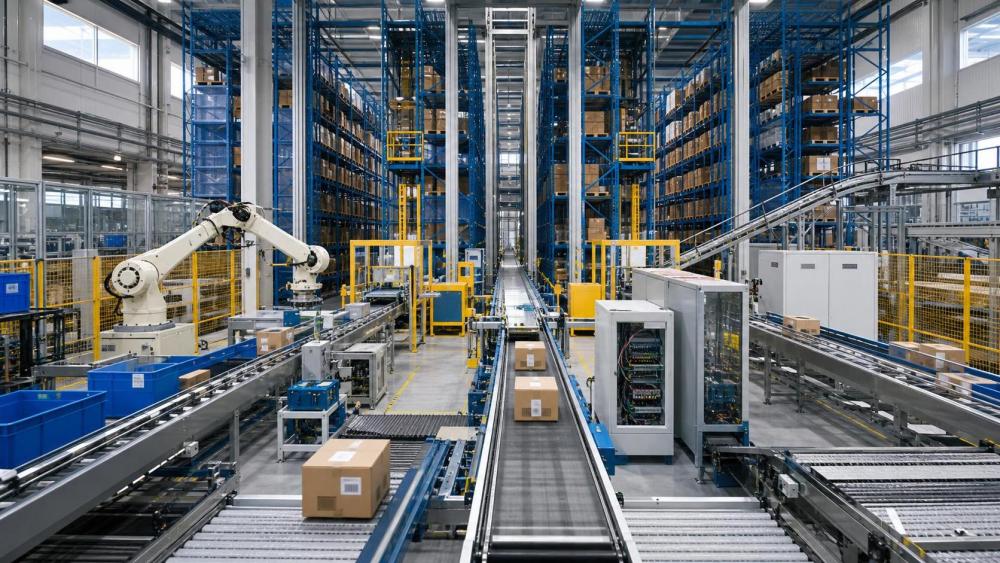
For many operations, the debate is no longer automation versus manual work. The harder question is timing.
Warehouse automation systems retrofitting becomes attractive when an existing site still has usable structure, but current performance is limiting growth.
That usually means rising labor cost, unstable throughput, frequent picking errors, or growing pressure to shorten order cycles.
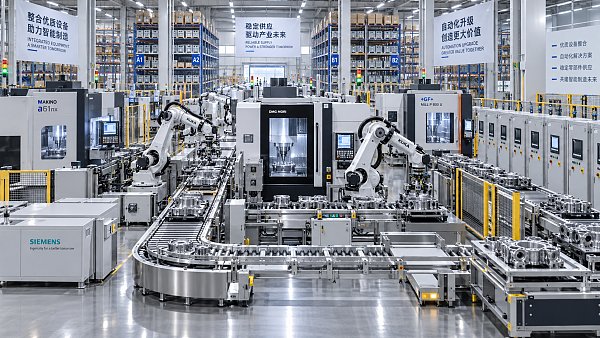
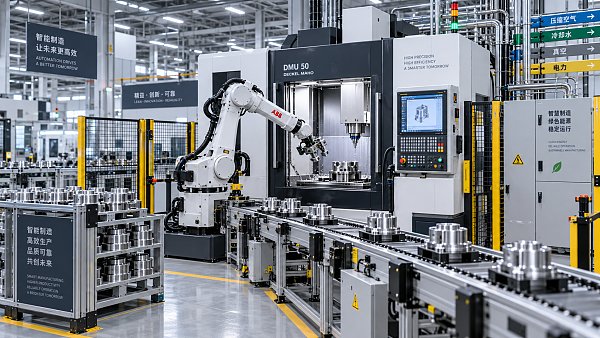
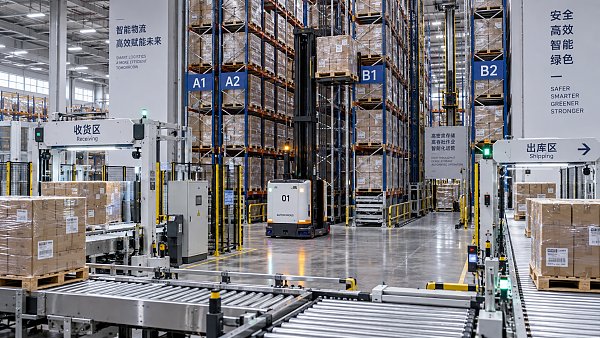
In practical terms, retrofitting is about upgrading conveyors, controls, sensors, software, storage logic, or robotic handling without replacing the entire facility.
This matters across modern industry, not only in e-commerce.
Parts distribution, heavy equipment support, factory spare parts centers, industrial consumables warehouses, and component staging hubs face similar challenges.
Industrial Edge Global often frames equipment decisions through lifecycle value rather than purchase price alone.
That lens is useful here.
A retrofit pays off when it protects existing assets while reducing operating friction that is already costing money every month.
The most reliable trigger is not a general wish to modernize.
It is a measurable gap between current warehouse output and business demand.
What counts as a good retrofit candidate?
A site does not need to be old to qualify.
More often, the operation has grown faster than the original layout, control architecture, or material flow design.
Warehouse automation systems retrofitting tends to work best in facilities with solid building infrastructure and predictable product movement.
The question is whether the bottleneck sits in the building or in the process.
Typical retrofit-friendly situations include:
- Manual picking zones where labor scales faster than volume
- Legacy conveyor lines with repeated stoppages
- Warehouses adding SKUs faster than storage logic can handle
- Sites needing better traceability for industrial parts and serialized goods
- Facilities where expansion space is limited but vertical or process efficiency remains available
Less suitable cases exist too.
If slab condition is poor, ceiling height is inadequate, utility systems are constrained, or process variability is extreme, a clean-sheet design may be stronger.
That is why a retrofit study should begin with flow data, maintenance records, and layout constraints, not vendor brochures.
How do you compare retrofitting with full replacement?
This is where many projects go wrong.
The comparison should not stop at capital expenditure.
A lower upfront number can still be a weaker investment if downtime, interface risk, or future expansion limits remain unresolved.
A simple decision table helps organize the discussion.
In many industrial settings, warehouse automation systems retrofitting wins because it compresses investment timing and preserves useful capital assets.
Still, the savings only hold if the new automation layer does not inherit old operational weaknesses.
Which costs matter most when judging payback?
Payback is often presented too narrowly.
Labor reduction matters, but it is rarely the only driver in a serious capital decision.
The stronger business case usually combines several cost lines that have been hidden inside day-to-day operations.
Look closely at these items:
- Overtime linked to peak periods and labor shortages
- Picking mistakes that trigger returns, reshipments, or line stoppages
- Downtime caused by manual congestion or unreliable legacy controls
- Inventory inaccuracy that increases buffer stock
- Energy waste from outdated drives and inefficient equipment sequencing
- Training burden created by inconsistent workflows
Warehouse automation systems retrofitting can also improve the value of adjacent assets.
For example, better warehouse sequencing may reduce idle time in production cells, packaging lines, or field service dispatch.
That secondary effect is common in factories handling spare parts, work-in-progress buffers, or mixed finished goods.
A realistic payback model should include implementation cost, software integration, commissioning, spare parts strategy, and planned disruption during cutover.
If those are missing, the case is incomplete.
What risks are easiest to underestimate during warehouse automation systems retrofitting?
The technical risk is usually not the robot, shuttle, or conveyor itself.
The real exposure sits at the interfaces between old and new systems.
In actual projects, small compatibility gaps can create long commissioning delays.
That includes sensor logic, control handshakes, WMS data mapping, safety zones, and maintenance ownership.
Another common mistake is sizing for average demand rather than peak operational stress.
A retrofit may look successful on paper, yet still fail during seasonal surges or urgent industrial orders.
Before approval, it helps to pressure-test the plan against a few direct questions:
- Can live operations continue while installation happens?
- Are spare parts and service support available locally?
- Will operators need major retraining or only workflow adjustment?
- Does the retrofit improve data visibility, or only add hardware?
- Can the upgraded system expand without another redesign in two years?
IEG frequently emphasizes that industrial equipment should be judged across service life, maintainability, and sourcing stability.
That principle applies directly to warehouse automation systems retrofitting.
A fast installation is not enough if replacement modules, control expertise, or future software support are uncertain.
How should the evaluation process be structured before approval?
A useful evaluation process is disciplined, but not complicated.
The goal is to connect technical scope with operational value and investment timing.
A practical sequence looks like this:
- Map present material flow, error points, labor intensity, and downtime causes.
- Separate constraints created by process design from those created by the building.
- Model at least two retrofit scopes, not one.
- Compare them against a replacement baseline over several years.
- Validate controls, software integration, and service support before final selection.
This method keeps the conversation grounded in measurable tradeoffs.
It also prevents a common bias: approving warehouse automation systems retrofitting because it feels cheaper, without confirming whether it solves the true bottleneck.
The best decisions usually come from combining throughput data, maintenance history, and lifecycle cost assumptions into one review framework.
That is also where structured industrial intelligence becomes valuable.
When equipment markets are fragmented and specifications vary, a platform like IEG helps translate technical options into operating impact.
So, when does the retrofit really pay off?
It pays off when the existing facility still has usable life, but present workflow limitations are already consuming margin, time, and reliability.
It also pays off when the upgrade can be phased, integrated, and maintained without creating a new layer of operational fragility.
In other words, warehouse automation systems retrofitting works best when it is treated as an asset optimization decision, not just an automation purchase.
The next step is usually straightforward.
Document the current bottleneck, define the required capacity gain, and compare retrofit scenarios against a replacement case using full lifecycle cost.
That approach makes the investment discussion clearer, faster, and easier to defend.
Related News
 What is driving consolidation in the global equipment supplier market?IEG Heavy Machinery & Automation AnalystGlobal equipment supplier market consolidation is accelerating through technology, service, and supply-chain demands. Discover how buyers can capture value while managing risk.
 When does capital equipment investment pay back in manufacturing?IEG Heavy Machinery & Automation AnalystCapital equipment investment manufacturing: learn when equipment truly pays back by evaluating full costs, cash flow, ramp-up, operational risks, and lifecycle value.
 When does a distribution center need an automated pallet handling system?Heavy Lifting Systems AnalystPallet handling systems help distribution centers overcome labor shortages, bottlenecks, safety risks, and storage constraints. Discover the key signs it’s time to automate.
 How to build a machinery investment plan around payback periodIEG Heavy Machinery & Automation AnalystMachinery investment planning manufacturing guide: build a credible payback plan with full costs, ramp-up assumptions, lifecycle risks, and scenario-based cash benefits.
 How to Specify a Modular Packaging Line for Fast Changeovers and Scalable OutputRobotics EngineerModular packaging line specification guide: achieve faster changeovers, scalable output, reliable controls, and lower lifecycle costs with practical planning.
 How industrial IoT devices reduce unplanned downtime in factoriesRobotics EngineerIndustrial IoT devices help factories detect early equipment issues, plan maintenance, and reduce costly unplanned downtime before production is disrupted.
 What is driving industrial machinery market demand in manufacturing?IEG Heavy Machinery & Automation AnalystIndustrial machinery market manufacturing demand is rising as factories pursue automation, energy efficiency, resilient supply chains, and lifecycle productivity gains.
 316L Stainless Steel Pipe Tube Technical Factors That Shape Buyer DecisionsCNC Machining AnalystA technical analysis for 316L stainless steel pipe tube buyers, covering corrosion expectations, pipe route choice, tolerance, surface, and inspection.
 How ground conditions determine crawler piling equipment selectionConstruction Equipment SpecialistCrawler piling equipment selection starts with ground conditions. Learn how soil, rock, groundwater and site constraints shape safer, more productive piling solutions.
 3300mm CNC Beam Saw Sheet Capacity: Layout Checks Before PurchaseCNC Machining AnalystZhongding ZD330 beam saw specifications: assess 3300mm sheet capacity, layout clearances, handling flow, and acceptance checks before buying.
 How Bucket Chain Diamond Dredgers Meet ISO 12100 Safety Requirements in Alluvial Mining ProjectsMining Infrastructure ExpertBucket chain diamond dredger safety made real: how ISO 12100 compliance ensures operator protection, reliability & zero lost-time injuries in alluvial mining.
 Modular Packaging for High-Mix Automotive Assembly Lines: How Standardized Load Units Reduce Line Changeover Time by 37% — Case Study from Tier-1 Supplier in GuangdongHeavy Lifting Systems AnalystModular packaging slashes automotive line changeover time by 37%—discover how standardized load units boost OEE, cut labor costs, and enable seamless high-mix assembly.