How to Evaluate Modular Packaging Systems for Line Flexibility




Line flexibility has moved from a nice-to-have feature to a core investment criterion in modern packaging operations. Product variety is expanding, batch sizes are shrinking, and production teams are expected to change formats faster without losing output. In that environment, evaluating packaging systems modular design requires more than checking machine speed or footprint. It means understanding how a system adapts, integrates, and performs across years of operational change.
For industrial decision-making, the real question is practical: can a modular packaging platform support new SKUs, revised pack formats, automation upgrades, and maintenance demands without repeated line disruption? That is why packaging systems modular evaluation now sits alongside throughput, reliability, and lifecycle cost in technical reviews.
What modular design really means on a packaging line
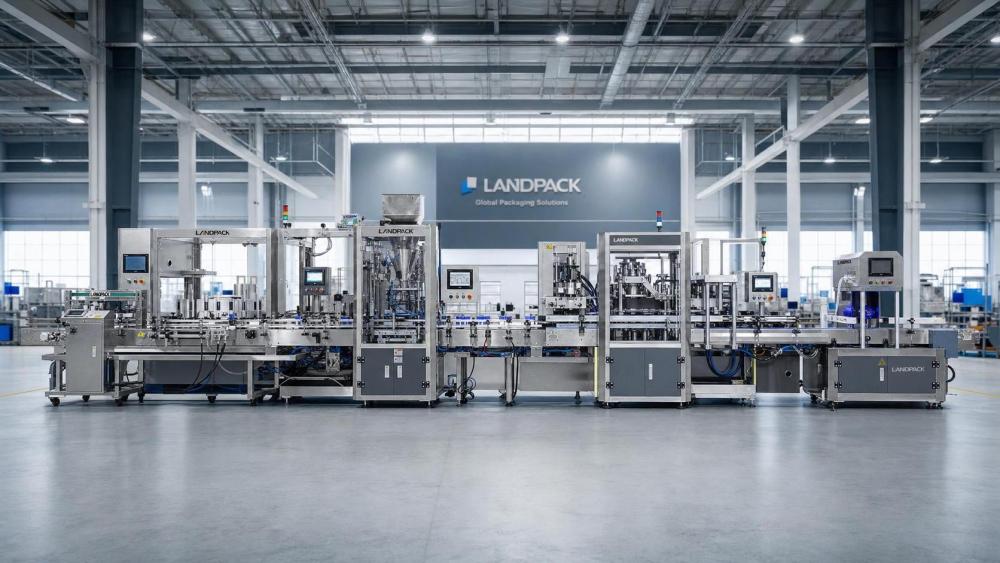
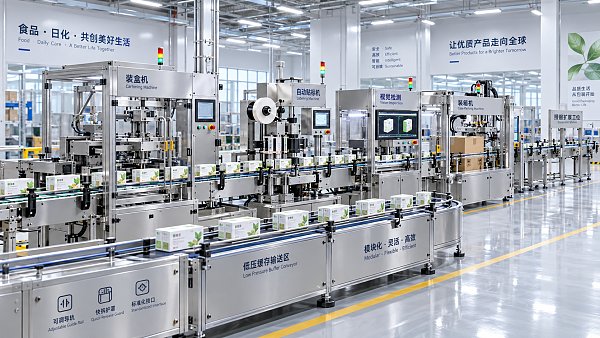
In packaging equipment, modular design is not simply a machine built in sections. It refers to a structured architecture where functional units can be added, replaced, or reconfigured with limited impact on the rest of the line.
These units may include infeed modules, forming stations, filling sections, sealing heads, labeling systems, inspection devices, cartoning cells, case packing modules, and palletizing interfaces. The strength of packaging systems modular thinking lies in how these units connect mechanically, electrically, and through control logic.
A good modular platform is designed for change without turning every change into an engineering project. That distinction matters. Some lines are advertised as flexible, yet each format shift still requires custom fabrication, software rewriting, or extended downtime.
Why the topic matters more now
Across food, beverage, personal care, chemicals, industrial consumables, and contract manufacturing, packaging lines face more variation than before. A single facility may run multiple container sizes, secondary pack styles, traceability rules, and market-specific labeling requirements.
At the same time, capital equipment decisions are under tighter scrutiny. Industrial buyers are expected to balance output targets with energy use, maintenance exposure, spare parts strategy, operator training, and future automation compatibility. That wider view is consistent with how Industrial Edge Global approaches equipment evaluation: as a long-term production asset, not only a machine purchase.
From a market perspective, flexible manufacturing also supports regional demand shifts and shorter delivery cycles. When production plans change quickly, rigid line design becomes expensive. Packaging systems modular architecture reduces that rigidity by preserving upgrade paths.
The first layer of evaluation: changeover and format adaptability
The most visible test of modularity is changeover performance. A supplier may claim flexibility, but the line should be judged by what actually happens between one production run and the next.
Start with format range. Check whether the machine can handle the current package family and realistic future variants. That includes dimensions, materials, closure types, labeling positions, and downstream handling conditions.
Then examine the mechanics of changeover. Tool-less adjustments, repeatable settings, servo-driven positioning, and digital recipes usually indicate stronger packaging systems modular design than heavy reliance on manual intervention.
- How many parts must be replaced for a normal format shift
- Whether the changeover requires skilled maintenance labor
- How long validation takes before full-speed restart
- Whether recipe management is built into the control system
- How often line alignment must be recalibrated after adjustments
A short quoted changeover time is not enough on its own. It should be tied to a defined product transition, actual line conditions, and acceptable first-pass quality after restart.
Integration matters as much as machine flexibility
Many packaging investments fail to deliver expected flexibility because the line is modular in hardware, but not in controls. Real flexibility depends on how modules communicate with conveyors, upstream processing equipment, vision systems, checkweighers, printers, and factory-level software.
Technical evaluation should therefore cover PLC platform compatibility, network architecture, data exchange standards, alarm structure, recipe synchronization, and remote diagnostics. A module that cannot communicate cleanly with the rest of the line creates hidden bottlenecks.
This is especially relevant in plants using mixed automation environments. New packaging systems modular solutions should fit existing industrial control strategies where possible, rather than forcing costly parallel standards.
Scalability should be proven, not assumed
A modular line often looks attractive because it promises future expansion. That promise only has value if the expansion path is technically and commercially realistic.
Ask whether new modules can be added without replacing the main frame, control cabinet, or software core. Review spare I/O capacity, available floor layout options, utility loading, and conveyor logic. If each future step requires major reconstruction, the system is only partially modular.
Scalability should also be considered in throughput bands. Some packaging systems modular platforms perform well at moderate speeds, then become unstable when additional stations are installed or cycle rates increase. That risk is best checked through case references, FAT data, and installed line history.
Useful questions during technical comparison
- Can the base system support added modules without new controls architecture?
- Is line balancing maintained after future expansion?
- Are upgrade kits standardized or custom engineered?
- Which expansion steps are already validated in operating plants?
Maintenance access and lifecycle performance
Flexibility loses value quickly when routine maintenance becomes difficult. For that reason, packaging systems modular assessment should include physical access, wear-part design, sanitation requirements, and service intervals.
Modular construction can help maintenance by isolating functions and simplifying replacement. It can also create complexity if cable routing, guarding, or mechanical interfaces are awkward. The difference becomes clear during inspection of real service tasks.
Review these points under operating conditions rather than brochure language:
- Time required to access critical wear components
- Common spare parts shared across modules
- Ease of isolating one module without stopping the entire line
- Diagnostic clarity for faults that move across modules
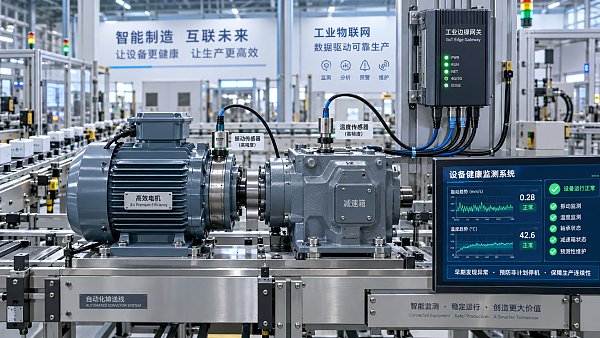
- Support for predictive maintenance or remote service review
Lifecycle value also includes energy demand, compressed air use, cleaning time, training burden, and software maintenance. These operating factors often separate an efficient modular concept from an expensive one.
Where modular packaging systems create the most value
Not every line needs the same level of modularity. The strongest business case usually appears where product variation, regulatory requirements, or market volatility create repeated change.
Typical high-value scenarios include contract packaging, multi-SKU consumer goods, export-oriented production, facilities adding traceability functions, and plants upgrading from manual or semi-automatic lines to integrated automation.
In these settings, packaging systems modular architecture supports phased investment. A plant can install a core line first, then add inspection, coding, robotic handling, or secondary packaging as volume and process maturity increase.
That phased approach is especially relevant in capital equipment planning, where preserving future options may be more valuable than maximizing day-one speed.
How to structure a practical evaluation process
The best assessments combine technical review with operational evidence. A structured comparison usually works better than relying on catalog claims or isolated demonstrations.
A useful process often includes current SKU mapping, likely future format changes, integration constraints, maintenance expectations, and upgrade scenarios over three to five years. That timeline helps reveal whether packaging systems modular benefits are real or only theoretical.
During supplier review, request line layouts, interface definitions, control architecture details, change parts lists, recommended spare parts, and examples of comparable installations. Those documents usually reveal more than a sales presentation.
It also helps to score proposals across a small number of weighted criteria:
- Format flexibility under real operating conditions
- Integration compatibility with existing automation
- Scalable expansion without major reconstruction
- Maintenance simplicity and parts strategy
- Lifecycle cost relative to expected production variability
A clear scoring model supports better internal alignment and makes tradeoffs easier to explain when line flexibility competes with budget pressure.
A better next step than comparing speed alone
Evaluating modular packaging systems for line flexibility is ultimately about resilience. The most capable line is not always the fastest on paper. It is the one that handles change with less disruption, lower engineering effort, and more predictable operating cost.
For technical review teams, the next step is to define where flexibility must actually deliver value: product changeovers, automation upgrades, market-specific packaging, maintenance continuity, or phased capacity growth. Once those priorities are explicit, packaging systems modular options become easier to compare with discipline.
A useful evaluation starts with the production roadmap, not the brochure. That approach leads to better equipment choices and stronger long-term line performance.
Related News
 What is driving consolidation in the global equipment supplier market?IEG Heavy Machinery & Automation AnalystGlobal equipment supplier market consolidation is accelerating through technology, service, and supply-chain demands. Discover how buyers can capture value while managing risk.
 When does capital equipment investment pay back in manufacturing?IEG Heavy Machinery & Automation AnalystCapital equipment investment manufacturing: learn when equipment truly pays back by evaluating full costs, cash flow, ramp-up, operational risks, and lifecycle value.
 When does a distribution center need an automated pallet handling system?Heavy Lifting Systems AnalystPallet handling systems help distribution centers overcome labor shortages, bottlenecks, safety risks, and storage constraints. Discover the key signs it’s time to automate.
 How to build a machinery investment plan around payback periodIEG Heavy Machinery & Automation AnalystMachinery investment planning manufacturing guide: build a credible payback plan with full costs, ramp-up assumptions, lifecycle risks, and scenario-based cash benefits.
 How to Specify a Modular Packaging Line for Fast Changeovers and Scalable OutputRobotics EngineerModular packaging line specification guide: achieve faster changeovers, scalable output, reliable controls, and lower lifecycle costs with practical planning.
 How industrial IoT devices reduce unplanned downtime in factoriesRobotics EngineerIndustrial IoT devices help factories detect early equipment issues, plan maintenance, and reduce costly unplanned downtime before production is disrupted.
 What is driving industrial machinery market demand in manufacturing?IEG Heavy Machinery & Automation AnalystIndustrial machinery market manufacturing demand is rising as factories pursue automation, energy efficiency, resilient supply chains, and lifecycle productivity gains.
 316L Stainless Steel Pipe Tube Technical Factors That Shape Buyer DecisionsCNC Machining AnalystA technical analysis for 316L stainless steel pipe tube buyers, covering corrosion expectations, pipe route choice, tolerance, surface, and inspection.
 How ground conditions determine crawler piling equipment selectionConstruction Equipment SpecialistCrawler piling equipment selection starts with ground conditions. Learn how soil, rock, groundwater and site constraints shape safer, more productive piling solutions.
 3300mm CNC Beam Saw Sheet Capacity: Layout Checks Before PurchaseCNC Machining AnalystZhongding ZD330 beam saw specifications: assess 3300mm sheet capacity, layout clearances, handling flow, and acceptance checks before buying.
 How Bucket Chain Diamond Dredgers Meet ISO 12100 Safety Requirements in Alluvial Mining ProjectsMining Infrastructure ExpertBucket chain diamond dredger safety made real: how ISO 12100 compliance ensures operator protection, reliability & zero lost-time injuries in alluvial mining.
 Modular Packaging for High-Mix Automotive Assembly Lines: How Standardized Load Units Reduce Line Changeover Time by 37% — Case Study from Tier-1 Supplier in GuangdongHeavy Lifting Systems AnalystModular packaging slashes automotive line changeover time by 37%—discover how standardized load units boost OEE, cut labor costs, and enable seamless high-mix assembly.